Malaysia PET Plastic Prices Surge 40 Percent Disrupting Supply Chains Nationwide 2026
PET Plastic Prices Malaysia Surge and Trigger Widespread Disruptions
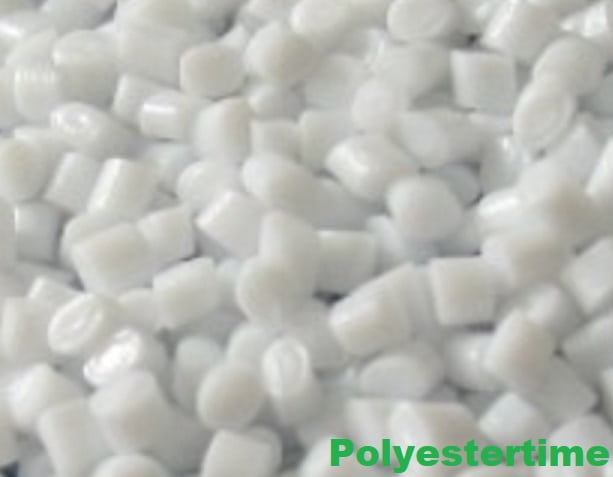
The recent surge in PET plastic prices Malaysia has created significant pressure across the country’s packaging and manufacturing sectors. Prices for polyethylene terephthalate, commonly used in bottles and food packaging, have risen by as much as 40 percent, signaling a critical supply imbalance that is now affecting both businesses and consumers.
This sharp increase in PET plastic prices Malaysia reflects a broader tightening of global petrochemical supply chains. What initially appeared as a localized issue has rapidly evolved into a structural challenge, with ripple effects extending from industrial production lines to supermarket shelves.
Supply Chain Strain Linked to Global Energy Disruptions
At the core of the crisis lies the strong dependency of PET production on crude oil. Industry experts emphasize that PET plastic prices Malaysia are closely tied to upstream energy markets, meaning disruptions in crude oil supply quickly cascade into shortages of packaging materials.
Ongoing geopolitical tensions in West Asia have contributed to instability in oil flows, reducing the availability of raw materials necessary for PET production. Manufacturers are therefore facing constrained supply while demand remains steady or even rising, creating the perfect conditions for price escalation.
The direct correlation between oil availability and plastic output highlights a structural vulnerability. When crude supply tightens, downstream industries such as packaging have little room to maneuver, making price volatility almost inevitable.
Manufacturers Pass Rising Costs Through the Supply Chain
Producers across Malaysia have already begun adjusting their pricing strategies in response to the surge in PET plastic prices Malaysia. Increases ranging between 15 percent and 40 percent have been reported, depending on the specific material and application.
These cost increases are not being absorbed at the manufacturing level alone. Instead, they are gradually moving through the supply chain, affecting distributors, retailers, and ultimately end consumers. This pass-through effect is particularly visible in sectors that rely heavily on plastic packaging, such as food and beverage.
As margins tighten, businesses are forced to make difficult decisions, including raising prices, reducing packaging volumes, or exploring alternative materials. However, each of these options comes with its own set of operational and financial challenges.
Retail Impact Becomes Increasingly Visible
The consequences of rising PET plastic prices Malaysia are no longer confined to industrial stakeholders. Retailers have started reporting difficulties in sourcing certain packaged goods, while consumers are noticing gaps in product availability.
This shift marks a critical transition from supply-side disruption to consumer-facing impact. When packaging materials become scarce, production slows down, leading to fewer products reaching store shelves. Over time, this can erode consumer confidence and alter purchasing behavior.
In addition, the inconsistency in supply creates logistical inefficiencies, further increasing costs across distribution networks. Retailers must adapt quickly, often sourcing from alternative suppliers or adjusting inventory strategies to cope with uncertainty.
Limited Viability of Alternative Packaging Solutions
One potential response to rising PET plastic prices Malaysia is the adoption of alternative packaging materials such as glass or cartons. However, industry leaders caution that these substitutes are not always practical.
Glass packaging, for instance, is significantly heavier than plastic, resulting in higher transportation costs and increased carbon emissions during logistics. It also introduces challenges in handling and storage, making it less suitable for large-scale distribution.
Carton-based packaging offers some flexibility, but it may not be compatible with all product types or supply chain requirements. Transitioning to alternative materials often requires redesigning production processes, investing in new equipment, and renegotiating supplier contracts.
As a result, while alternatives can provide temporary relief, they are unlikely to fully offset the impact of rising PET plastic prices Malaysia in the short term.
Food and Beverage Sector Faces Acute Pressure
The food and beverage industry is among the hardest hit by the surge in PET plastic prices Malaysia. Companies that rely heavily on plastic bottles and containers are particularly vulnerable to supply constraints and cost increases.
Major producers have already begun adjusting their packaging strategies to maintain operations. Some are shifting toward carton-based solutions or exploring hybrid packaging models to reduce reliance on PET.
However, these adjustments often come with trade-offs, including changes in product shelf life, consumer perception, and production efficiency. For many companies, the challenge lies in balancing cost management with maintaining product quality and brand consistency.
Rising Costs Begin to Affect Consumers Directly
As PET plastic prices Malaysia continue to rise, the financial impact is increasingly being felt by consumers. Higher packaging costs are contributing to overall price inflation in food and beverage products, adding pressure to household budgets.
Consumer advocacy groups have highlighted the need for both businesses and individuals to adapt to this new cost environment. While companies must optimize operations and explore efficiencies, consumers may need to adjust purchasing habits and expectations.
This dynamic underscores the interconnected nature of modern supply chains, where disruptions in one segment can quickly translate into broader economic consequences.
Risk of Prolonged Supply Constraints
Looking ahead, the trajectory of PET plastic prices Malaysia will largely depend on the evolution of global geopolitical conditions and energy markets. If supply disruptions persist, the current shortage could deepen, affecting additional sectors and prolonging economic strain.
Manufacturers and policymakers alike are closely monitoring the situation, recognizing that sustained volatility could necessitate more structural changes. These may include diversifying supply sources, investing in recycling infrastructure, or accelerating the development of alternative materials.
In the meantime, the market remains highly sensitive to external shocks, with limited short-term solutions available.
Structural Lessons for Future Resilience
The ongoing surge in PET plastic prices Malaysia serves as a critical reminder of the fragility of global supply chains. Heavy reliance on a single raw material source exposes industries to significant risk, particularly in times of geopolitical uncertainty.
Building resilience will require a multifaceted approach, including supply chain diversification, technological innovation, and improved resource efficiency. Companies that proactively address these challenges are likely to be better positioned in an increasingly volatile global market.
For now, the focus remains on managing immediate disruptions while preparing for a future where adaptability and sustainability will play a central role in industrial strategy.
More…