PET preforms – “EASTPLAST Strengthens Its Leadership in Packaging with Record PET Preform Production” 14-10-2025
PET preforms
A New Benchmark in PET Preform Manufacturing
In 2025, EASTPLAST is setting a new industry standard with its latest breakthrough — a state-of-the-art production cell capable of manufacturing 6 million PET preforms per month. This milestone represents not only a leap in efficiency but also a demonstration of how innovation and automation can reshape the packaging industry for the better.
The company has confirmed that the new system is built around the HMD-320 PET horizontal injection molding machine, a cornerstone of modern high-volume plastic production. Designed for performance and sustainability, this machine will soon be operational in the Krasnodar Territory, delivering advanced capabilities to one of the region’s leading packaging manufacturers.
What Are PET Preforms — and Why They Matter
Before diving deeper into EASTPLAST’s latest development, it’s important to understand what PET preforms actually are.
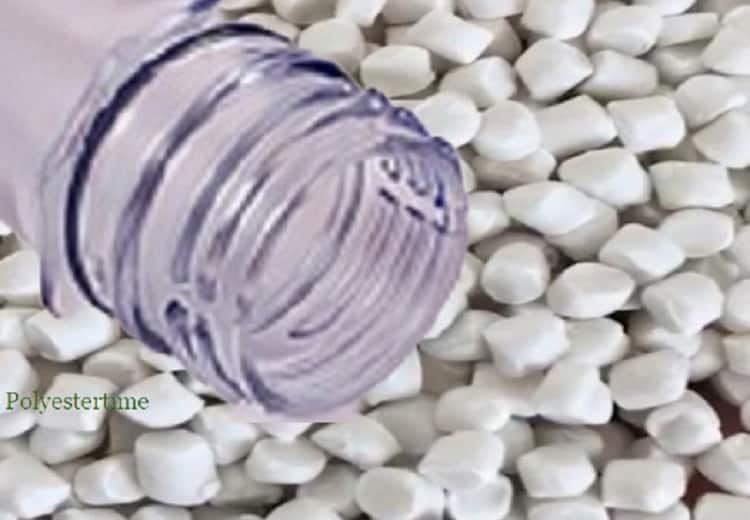
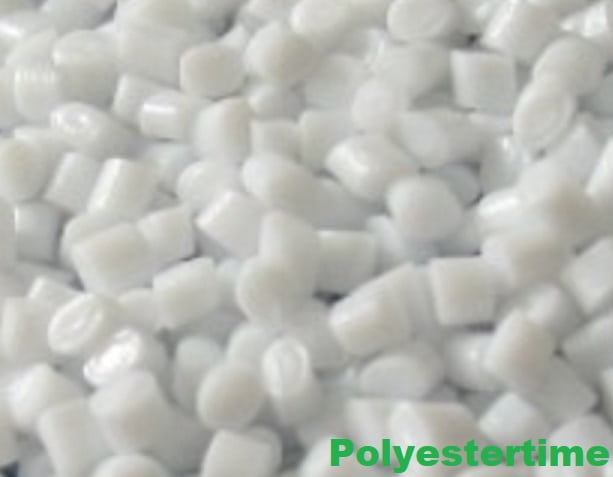
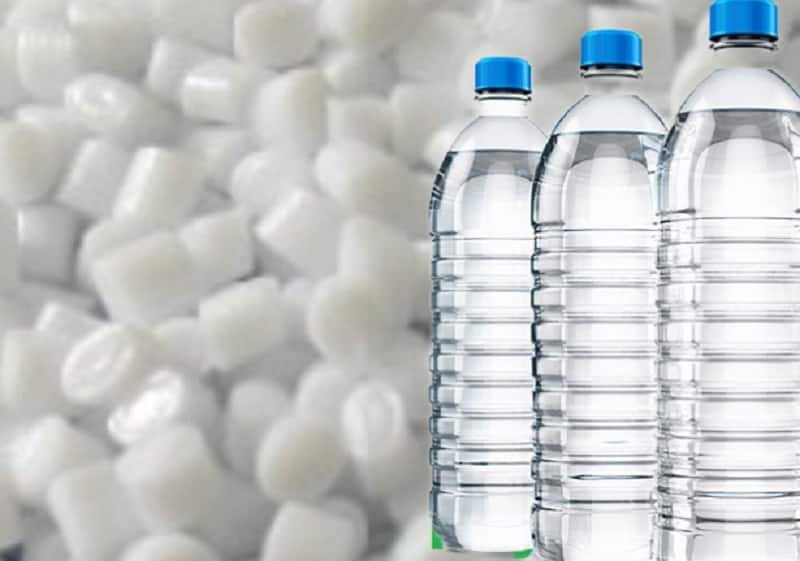
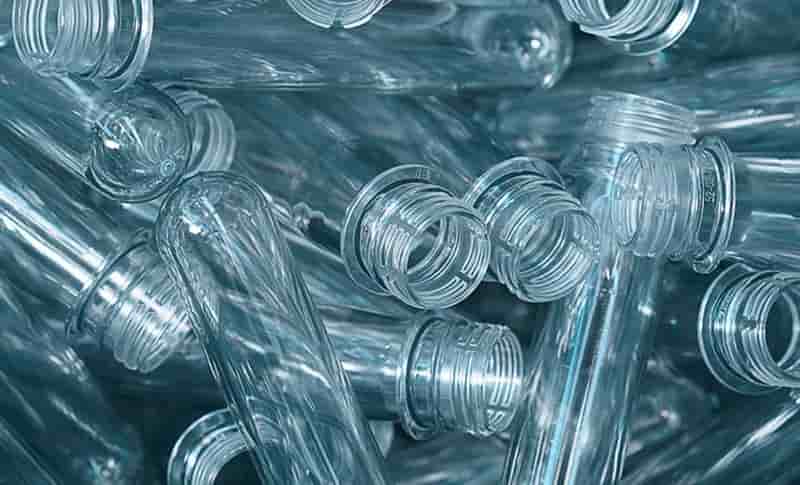
PET preforms are the initial molded forms used to produce plastic bottles and containers. These small, test-tube-like pieces are heated and blown into their final shapes — from beverage bottles to cosmetic packaging. PET, or polyethylene terephthalate, is favored for its clarity, strength, and recyclability, making it one of the world’s most sustainable packaging materials when managed properly.
As global demand for recyclable packaging rises, the ability to produce millions of PET preforms efficiently has become a strategic advantage for manufacturers.
The Power of the HMD-320 PET Injection Molding System
At the heart of EASTPLAST’s new production line lies the HMD-320 PET injection molding machine. This powerful unit is specifically designed for high-output production and precision molding, ensuring that each PET preform meets exact specifications.
The system includes a 48-cavity mold, meaning it can simultaneously create 48 preforms in a single cycle. Operating at a 16-second cycle time, the line produces 10,800 PET preforms per hour — a remarkable figure that translates to 6 million preforms per month.
This level of efficiency allows manufacturers to meet growing market demands while keeping costs under control — a crucial factor in today’s competitive packaging landscape.
Automation and Integration: Smart Manufacturing in Action
One of the defining features of EASTPLAST’s new solution is its high degree of automation. The entire production cell is designed to operate with minimal manual intervention, improving safety, precision, and uptime.
Key integrated systems include:
-
PIC-60-170AG chiller: Maintains consistent temperature control for stable molding.
-
SMD-2000H conditioning system: Ensures optimal working conditions for injection molding.
-
SD-1000H-C-LC dryer: Prepares PET resin by removing moisture, a critical step for product quality.
-
DH-2000U-PH insulated hopper: Keeps raw materials at ideal temperatures.
-
SAL-3HP-UG122 + 2SHR-12U vacuum loader: Automatically feeds material into the machine.
-
Two-station post-cooling robot: Enhances cycle efficiency and dimensional accuracy.
Together, these systems create a seamlessly automated environment capable of continuous, precise, and cost-efficient PET preform production.
Surpassing Client Expectations
According to EASTPLAST’s official statement, the new line not only meets but exceeds the client’s requested production targets. The system has been engineered to allow future capacity expansion without significant new investment — a feature that adds long-term value.
“This line not only fulfills the task of producing 6 million finished PET preforms per month but even exceeds the client’s request, providing opportunities for future growth,” EASTPLAST reported.
This level of flexibility highlights the company’s commitment to future-ready design — creating solutions that scale alongside client ambitions.
Space and Cost Optimization: Efficiency Beyond Output
Beyond raw production capacity, EASTPLAST engineers have focused on space efficiency and cost optimization. The layout of the production cell minimizes floor space usage, allowing manufacturers to integrate more lines or additional processes within existing facilities.
Moreover, the system’s energy efficiency and automation reduce operational costs, helping companies boost profitability while maintaining sustainability standards. The integrated configuration offers an excellent cost-to-performance ratio, making it accessible for both large and mid-sized producers of PET preforms.
Precision Engineering Meets Sustainability
EASTPLAST’s approach to equipment design isn’t just about output — it’s also about environmental responsibility. The company’s engineers aim to minimize energy waste, material loss, and water consumption at every step.
Producing high-quality PET preforms that can be easily recycled is part of a broader vision for a circular economy in plastics. By enhancing manufacturing efficiency and product consistency, EASTPLAST ensures that each preform can be repurposed multiple times, reducing the total environmental footprint of the end products.
Strengthening Russia’s PET Preform Industry
The new project also marks a key investment in the Krasnodar Territory’s industrial ecosystem. By delivering high-capacity, automated production technology, EASTPLAST is helping strengthen domestic supply chains for packaging materials.
This is especially significant as Russia’s PET preform market continues to grow, driven by the beverage, food, and household goods sectors. Local production capacity is essential to reduce import dependence and maintain price stability across the industry.
The Role of Petrus and Industry Developments
In related industry news, the well-known packaging manufacturer Petrus, founded in 1994, continues to play a major role in the region’s polymer market. In 2024, the company reported revenues of 25.5 billion rubles and a net profit of 2.3 billion rubles.
Recently, ownership shares of Petrus (previously under Cypriot holding Pet.Rus Plastic Holdings) were temporarily transferred to SafPet Active, a structure affiliated with Tatneft. Petrus remains one of Russia’s largest producers of PET preforms, polymer caps, and BOPET films — underscoring the importance of the PET packaging sector in the national economy.
As competition grows, EASTPLAST’s technological advancements are expected to give domestic manufacturers a new edge in efficiency and quality.
PET Preforms: Driving the Future of Packaging
The demand for PET preforms continues to rise globally, with major applications in:
-
Beverage packaging (bottled water, juices, soft drinks)
-
Pharmaceutical containers
-
Cosmetic bottles and jars
-
Industrial liquids and chemicals
What makes PET preforms so valuable is their lightweight strength, recyclability, and design versatility. PET is approved for food contact by international standards and can be reprocessed into new products multiple times.
EASTPLAST’s technology enhances these advantages by making production faster, more precise, and more energy-efficient — aligning with both industrial and environmental goals.
How the New Technology Impacts Manufacturers
Manufacturers adopting this new production cell stand to gain in several ways:
-
Higher Productivity: With up to 10,800 preforms per hour, output grows without extra labor.
-
Reduced Downtime: Automated cooling and feeding systems improve uptime.
-
Improved Quality: Consistent temperature and process control ensure defect-free PET preforms.
-
Lower Costs: Optimized energy use and cycle times mean better margins.
-
Scalability: The system can adapt to growing market demands with minimal reconfiguration.
In a market where efficiency equals competitiveness, these factors can determine long-term success.
Engineering Accuracy and Quality Assurance
EASTPLAST emphasizes quality assurance as a core component of its engineering philosophy. Every production line undergoes extensive testing, including thermal, mechanical, and pressure simulations, to ensure that the PET preforms meet international standards.
By maintaining tight tolerances and consistent wall thicknesses, the resulting preforms offer superior clarity and strength — critical features for high-end packaging and bottle manufacturing.
Automation: The Future of PET Preform Production
Automation isn’t just a convenience; it’s a competitive necessity. EASTPLAST’s production line integrates smart controls, real-time monitoring, and predictive maintenance systems that alert operators before potential downtime.
This smart manufacturing approach ensures continuous operation, reduced human error, and optimal machine performance — exactly what’s needed for large-scale PET preform production in 2025 and beyond.
Looking Ahead: Scaling for the Global Market
As demand for eco-friendly packaging accelerates worldwide, EASTPLAST’s innovations are positioning it as a major contributor to the next generation of PET manufacturing technology.
By combining high-volume output with sustainable practices, the company supports both local clients and international markets in their pursuit of responsible growth. The modular nature of the production system means it can be replicated or expanded globally, making PET preforms a viable export category for regional producers.
Conclusion: EASTPLAST’s Vision for a Smarter, Greener Industry
EASTPLAST’s new production cell for PET preforms is more than a technical achievement — it’s a blueprint for how automation, precision, and sustainability can coexist.
With the ability to produce 6 million PET preforms per month, minimize energy use, and maximize consistency, this innovation showcases the potential of modern injection molding technology to drive both economic and environmental progress.
In an era defined by sustainability and efficiency, EASTPLAST isn’t just meeting market demand — it’s shaping the future of plastic packaging for 2025 and beyond.
More…