CEDO Polimero acquisition strengthens circular plastic recycling growth with 8 strategic benefits
CEDO Polimero acquisition strengthens circular plastic recycling growth with 8 strategic benefits
The CEDO Polimero acquisition represents a significant development in the European plastics recycling sector, signaling a strategic push toward greater circularity and operational scale
With this move, the British-based CEDO Group reinforces its position as a leading player in the recycling of flexible plastics while expanding its industrial footprint in Southern Europe.
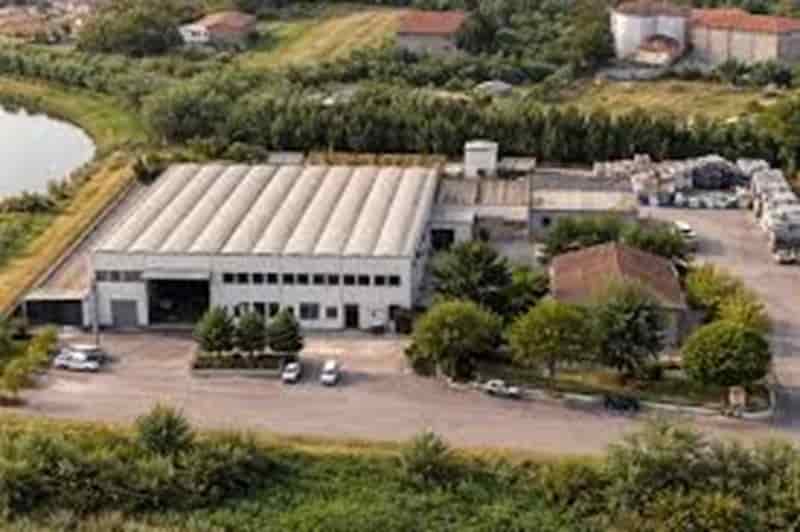
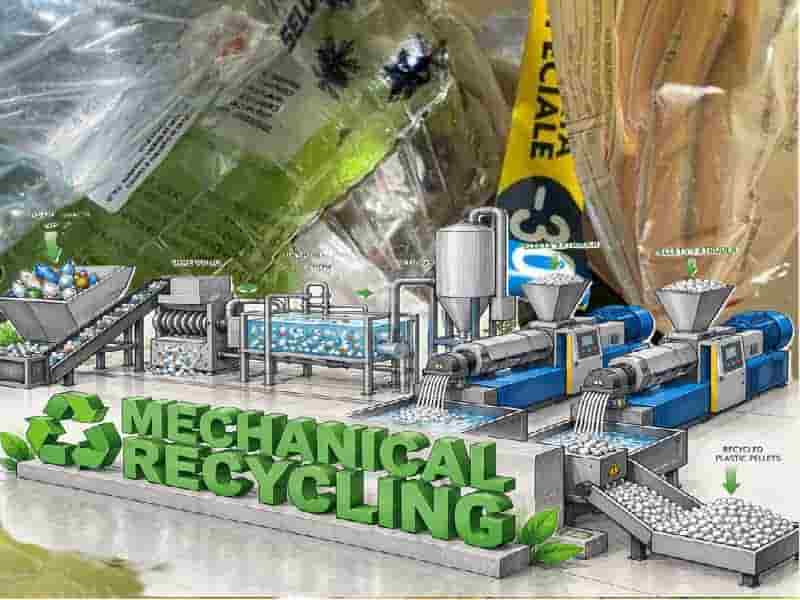
Headquartered in Rovigo, Italy, Polimero has built a strong reputation in the recycling of polyolefin-based waste, particularly low-density polyethylene (LDPE). The company produces approximately 9,000 tons of recycled polyethylene granules annually, derived from post-consumer waste streams as well as industrial and commercial plastic residues. This production capacity makes Polimero a valuable asset in a market increasingly driven by sustainability requirements and regulatory pressure.
The CEDO Polimero acquisition comes at a pivotal time for the recycling industry. Demand for high-quality recycled plastics continues to grow as manufacturers and retailers seek to meet environmental targets and reduce reliance on virgin materials. By integrating Polimero into its operations, CEDO gains improved access to consistent and scalable recycled material streams, a critical factor for long-term competitiveness. Polimero acquisition
Polimero’s history also adds context to the acquisition. Since 2022, the company had been part of the Dutch Repeats Group, which recently entered insolvency
This transition created an opportunity for CEDO to acquire a well-established recycling operation with existing infrastructure, expertise, and supply networks. Rather than building new capacity from scratch, the acquisition allows CEDO to accelerate its growth strategy efficiently.
From a strategic perspective, the CEDO Polimero acquisition strengthens vertical integration across the value chain of plastic films. CEDO is not only involved in recycling but also in the production of finished products such as trash bags and liners. This integration enables tighter control over raw materials, improved cost management, and enhanced product quality.
The expansion into Italy also carries geographic importance. Southern Europe has historically faced challenges in recycling infrastructure compared to Northern regions. By establishing a stronger presence in Italy, CEDO can tap into underutilized waste streams while contributing to the development of local circular economy systems. This move aligns with broader European Union objectives aimed at increasing recycling rates and reducing landfill dependency. Polimero acquisition
Another key advantage of the CEDO Polimero acquisition lies in supply chain resilience. Access to recycled polyethylene is becoming increasingly competitive, with fluctuations in availability and pricing
Owning recycling facilities directly allows CEDO to mitigate these risks, ensuring a more stable and predictable supply of materials for its manufacturing operations.
With Polimero now part of its portfolio, CEDO operates a total of eight recycling plants, including six in Europe and two in Vietnam. This global network provides flexibility in sourcing and production, allowing the company to respond to regional market demands more effectively. It also supports innovation in recycling technologies and material processing.
The acquisition builds on CEDO’s previous expansion efforts, including the purchase of Lithuania-based Plasta Group two years ago. That deal similarly focused on polyethylene recycling and plastic film production, indicating a clear long-term strategy centered on circular plastics. The CEDO Polimero acquisition further consolidates this approach, reinforcing the company’s commitment to sustainable growth.
From an environmental standpoint, the impact of this acquisition is noteworthy. Recycling LDPE and other polyolefins reduces the need for virgin plastic production, which is energy-intensive and reliant on fossil resources
By increasing recycling capacity, CEDO contributes to lowering greenhouse gas emissions and minimizing plastic waste leakage into the environment
For the broader market, the CEDO Polimero acquisition highlights ongoing consolidation within the recycling industry. Companies are increasingly seeking scale, efficiency, and technological capability to remain competitive. Smaller or financially distressed players, like those affected by the Repeats Group insolvency, often become acquisition targets for larger, more stable organizations.
Looking ahead, the success of this acquisition will depend on effective integration. Aligning operational processes, maintaining product quality, and optimizing logistics will be critical to realizing the full value of Polimero within the CEDO network. However, given CEDO’s track record in managing similar assets, the outlook appears positive.
In conclusion, the CEDO Polimero acquisition is more than a simple expansion. It represents a strategic investment in the future of plastic recycling, combining increased capacity, improved supply chain control, and enhanced geographic reach. As the demand for recycled materials continues to rise, moves like this will play a crucial role in shaping a more sustainable and resilient plastics industry.
Plastic Waste Crisis Faces 1 Turning Point with Advanced Pyrolysis Oil Upgrading Technology
More…