Advanced Materials Innovation Delivers 6 Breakthrough Benefits for Recyclable Nylon Industry Future
Recyclable Nylon Materials Shape the Future of Industrial Innovation
The development of recyclable nylon materials is becoming a central pillar in the transition toward sustainable industrial systems. As industries seek to reduce environmental impact while maintaining high performance, new material solutions are emerging to bridge this gap. One of the most significant initiatives in this field is the INFI-PA6-RECO project, which focuses on advancing recyclable nylon materials for next-generation applications.
Funded under the FISA 2024 program by the Italian Ministry of University and Research, the project brings together academic research and industrial expertise. With a total investment exceeding four million euros, the initiative aims to transform scientific knowledge into scalable, real-world solutions for multiple industries.
A Strategic Collaboration Driving Recyclable Nylon Materials Forward
The INFI-PA6-RECO project represents a coordinated effort between leading research institutions and industrial partners. Activities are led by the Polytechnic University of Turin, with coordination from the Department of Applied Science and Technology.
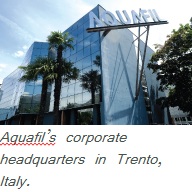
Industrial collaboration plays a key role in accelerating innovation. Aquafil, known for its expertise in nylon production and chemical recycling processes, contributes its industrial capabilities and experience with circular systems. Additional partners, including INSTM, UFI Filter, and Kape GmbH, support the development of applications and market-ready demonstrators.
This collaborative structure ensures that recyclable nylon materials are not only studied in laboratories but also tested and validated in real industrial contexts.
Why Polyamide 6 Is Central to Recyclable Nylon Materials
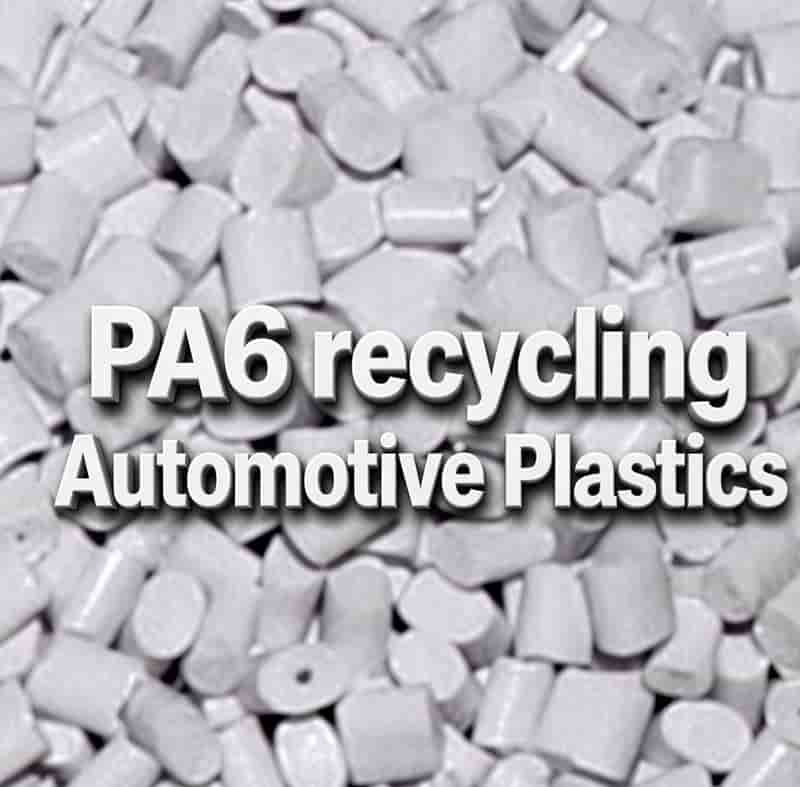
At the core of the project is polyamide 6, commonly known as nylon 6. This material is widely used across industries, from textiles and automotive components to sports equipment and consumer goods. Its versatility makes it an ideal candidate for innovation.
However, traditional production methods present environmental challenges. The project addresses this by rethinking synthesis and processing techniques to create recyclable nylon materials with improved sustainability profiles.
By focusing on polyamide 6, researchers aim to enhance an already essential material while aligning it with circular economy principles.
Stronger and More Functional Fibers for Advanced Applications
One of the primary objectives of the project is to develop enhanced fibers based on recyclable nylon materials. Through advanced polymerization techniques and optimized spinning processes, these fibers are designed to deliver superior mechanical properties.
The new fibers offer increased durability, improved resistance to wear, and enhanced stain resistance. These characteristics are particularly important in sectors such as advanced textiles, where performance and longevity are critical.
By improving fiber quality, recyclable nylon materials can compete with or exceed traditional materials while offering environmental benefits.
Nanofibers Open New Opportunities in Filtration Technologies
Another key research area focuses on the production of nanofibers derived from recyclable nylon materials. These nanofibers are created using innovative electrospinning techniques, enabling precise control over structure and functionality.
The resulting materials are used to develop high-efficiency filtration membranes for air and water applications. This is particularly relevant in a context where environmental protection and resource management are becoming global priorities.
Collaborating with industrial partners, the project aims to bring these filtration solutions to market, demonstrating the practical value of recyclable nylon materials in addressing real-world challenges.
Recyclable Composites for Lightweight and Sustainable Design
The project also explores the development of single-polymer composites using recyclable nylon materials. By combining high-strength fibers with polyamide 6 matrices, researchers are creating fully recyclable composite structures.
These materials are particularly suited for applications requiring lightweight yet durable components, such as sports equipment and mobility solutions. The use of a single polymer simplifies recycling processes, making these composites more sustainable than traditional multi-material alternatives.
A notable demonstration includes the development of a skateboard prototype, showcasing how recyclable nylon materials can be applied in innovative product design.
Industrial Impact Across Multiple Sectors
The potential applications of recyclable nylon materials extend across various industries. From advanced technical fabrics to filtration systems and composite structures, the project highlights the versatility of these materials.
In textiles, improved fibers can lead to longer-lasting and more sustainable products. In filtration, nanofiber membranes offer enhanced performance for environmental protection. In composites, lightweight structures contribute to energy efficiency and reduced material consumption.
This broad applicability reinforces the strategic importance of recyclable nylon materials in modern industrial ecosystems.
Supporting Sustainability and Circular Economy Goals
A key driver behind the development of recyclable nylon materials is the need to reduce environmental impact. By enabling recycling and reuse, these materials support circular economy models that minimize waste and resource consumption.
The project aligns with broader sustainability goals, including reducing emissions and promoting responsible material use. By integrating recycling into the design phase, recyclable nylon materials contribute to more sustainable production systems.
This approach also helps companies meet regulatory requirements and respond to increasing demand for environmentally responsible products.
Training the Next Generation of Materials Experts
Beyond technological innovation, the project emphasizes education and skills development. Training young researchers, doctoral candidates, and postdoctoral fellows is a core component of the initiative.
By fostering expertise in polymer chemistry, materials science, and sustainable manufacturing, the project ensures that knowledge is transferred to future generations. This investment in human capital is essential for maintaining long-term innovation in recyclable nylon materials.
Strengthening Italy’s Role in Advanced Materials Research
The INFI-PA6-RECO project reinforces the position of Italy as a leader in applied research and industrial innovation. The involvement of the Polytechnic University of Turin highlights the importance of academic institutions in driving technological progress.
Through initiatives like this, recyclable nylon materials are not only advancing sustainability but also enhancing industrial competitiveness. The integration of research, development, and market application creates a strong foundation for future growth.
Conclusion: Recyclable Nylon Materials Enable a Sustainable Industrial Future
Recyclable nylon materials are emerging as a key solution for industries seeking to balance performance and sustainability. The INFI-PA6-RECO project demonstrates how collaborative research can deliver tangible results across multiple sectors.
From stronger fibers to advanced filtration systems and recyclable composites, these materials offer a pathway toward more efficient and environmentally responsible production.
As industries continue to evolve, recyclable nylon materials will play an increasingly important role in shaping a sustainable and competitive future.
More…