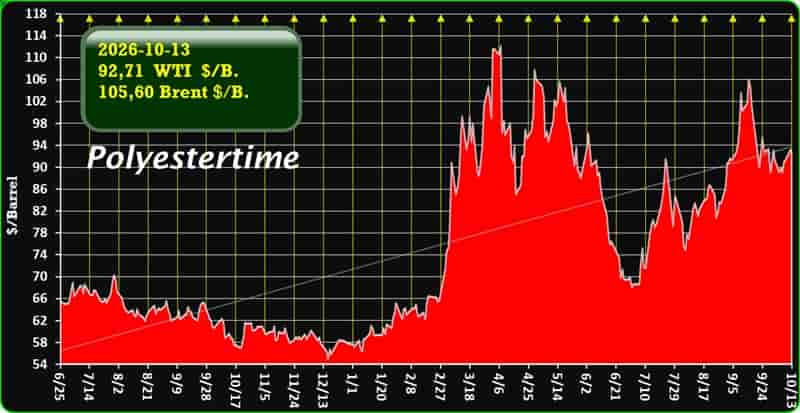
Oil price surge shakes global markets as Brent stays above $100 amid geopolitical tensions, supply risks, and uncertain demand outlook in 2026
Oil price trend analysis: March 20, 2026
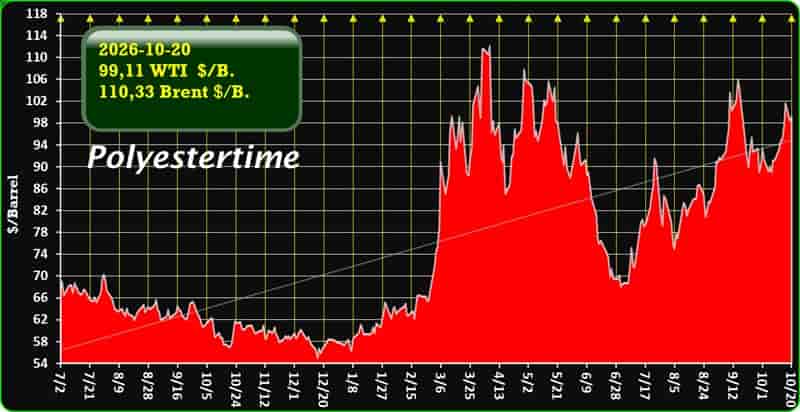
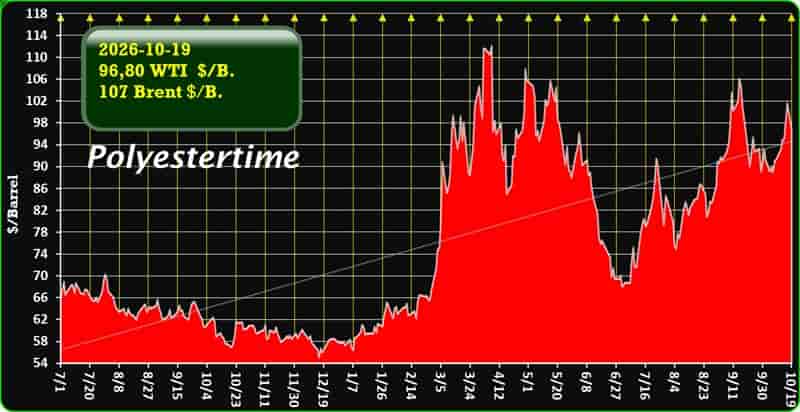
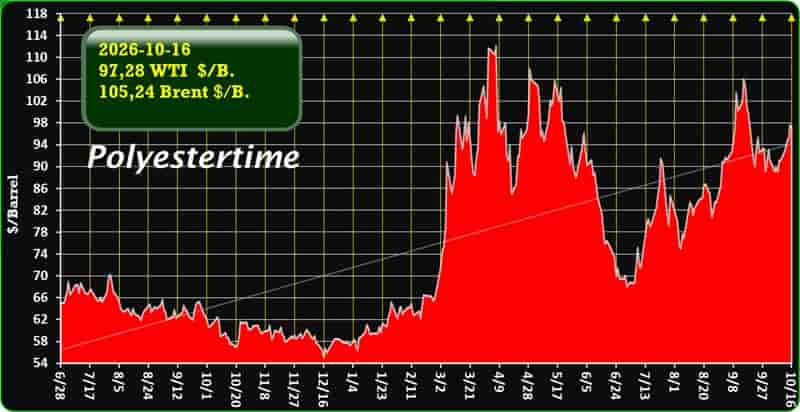
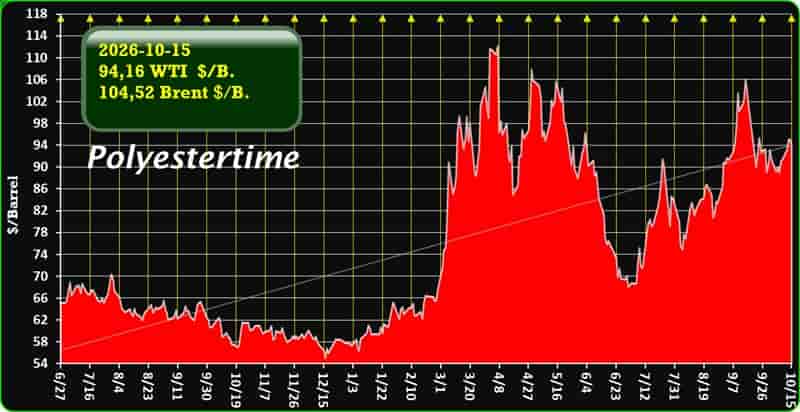
The oil price remains firmly elevated as of March 20, 2026, reflecting a market under pressure from geopolitical tensions and constrained supply. Brent crude is trading in the $100–110 per barrel range, while West Texas Intermediate (WTI) hovers around $90–100 per barrel, marking one of the most volatile periods for the crude price in recent years.
Despite a slight pullback in recent trading sessions, the oil price continues to reflect deep structural risks in the global energy system, with investors closely monitoring developments in the Middle East and broader macroeconomic signals.
Current oil price snapshot
| Benchmark | Price Range (March 20, 2026) | Trend |
|---|---|---|
| Brent Crude | $100 – $110 | Elevated, volatile |
| WTI Crude | $90 – $100 | Slightly softer but firm |
Recent data shows Brent near $105 per barrel and WTI around $96, confirming that the crude price remains well above historical averages.
Key drivers behind the crude price surge
1. Geopolitical tensions in the Middle East
The dominant factor shaping the crude price is the ongoing conflict involving Iran and regional actors. Attacks on energy infrastructure and disruptions to key facilities have triggered sharp market reactions.
-
Strikes on gas fields and energy facilities have pushed oil price levels higher
-
The Strait of Hormuz—responsible for roughly 20% of global oil flows—faces partial disruption
-
Brent briefly spiked above $119 amid escalating tensions
These developments have introduced a significant geopolitical risk premium into the oil price, with traders pricing in potential supply shocks.
2. Supply constraints and OPEC+ dynamics
Global supply remains tight despite efforts to stabilize the crude price:
-
OPEC+ has signaled willingness to adjust output but remains cautious
-
Strategic reserves have been tapped, including large-scale releases coordinated by the IEA
-
Physical shortages are emerging in some regions due to logistical disruptions
Even modest supply disruptions are having outsized effects on the crude price due to already tight inventories and limited spare capacity.
3. Demand resilience and economic signals
On the demand side, the crude price is supported by:
-
Continued global consumption, particularly in Asia
-
Limited demand destruction despite higher fuel costs
-
Strong industrial activity in key economies
However, economists warn that if the crude price rises further—toward $130–140—there could be meaningful demand destruction and recession risks.
4. Financial markets and investor sentiment
Investor sentiment remains cautious but increasingly bullish on the crude price:
-
Banks warn that markets may be underpricing supply risks
-
Each $10 increase in crude price can reduce GDP growth and corporate earnings
-
Energy stocks are benefiting from higher price expectations
At the same time, short-term dips in the crude price reflect sensitivity to diplomatic signals, such as temporary de-escalation in regional conflicts.
Goldman Sachs outlook and long-term expectations
Major financial institutions, including Goldman Sachs, suggest that elevated oil price levels may persist longer than expected.
-
Short-term crude price forecasts indicate Brent averaging near $98–110 in early 2026
-
Upside scenarios point to spikes above $150 if disruptions intensify
-
Longer-term projections suggest moderation, but only if supply stabilizes
This aligns with broader market expectations that structural underinvestment and geopolitical risks could keep the oil price elevated into the late decade.
What this means for the global economy
The sustained rise in oil price has wide-ranging implications:
Inflation pressures
Higher energy costs are feeding into global inflation, particularly in transport and manufacturing sectors.
Monetary policy impact
Central banks may delay rate cuts or tighten policy further as the oil price contributes to inflationary pressures.
Economic growth risks
A prolonged oil price shock could reduce global GDP growth by up to 0.3%, according to recent estimates.
Short-term outlook for oil price
Looking ahead, the oil price trajectory will depend on three critical variables:
-
Geopolitical developments – Any escalation or de-escalation in the Middle East will have immediate price effects
-
Supply responses – OPEC+ decisions and strategic reserve releases will shape market balance
-
Demand elasticity – Whether high prices begin to suppress consumption
Base case
The oil price is likely to remain in the $90–110 range in the near term, with high volatility.
Upside risk
Further disruptions could push the oil price toward $120+, especially if supply routes are compromised.
Downside scenario
A diplomatic resolution or coordinated supply increase could bring the oil price back below $90.
Final takeaway
The oil price in March 2026 reflects a market dominated by geopolitical uncertainty and tight supply conditions. While short-term fluctuations are likely, the broader trend suggests sustained elevation compared to previous years.
For the global economy, this means persistent inflation risks, cautious monetary policy, and continued volatility across energy markets—making the oil price a central variable to watch in 2026.
Strait of Hormuz Agreement Sparks Urgent Global Energy Stability Concerns 6 Nations Respond
More…