5 Benefits Recyclable PET Fish Boards Improve Packaging Sustainability
The packaging industry is moving quickly toward solutions that balance performance with environmental responsibility.
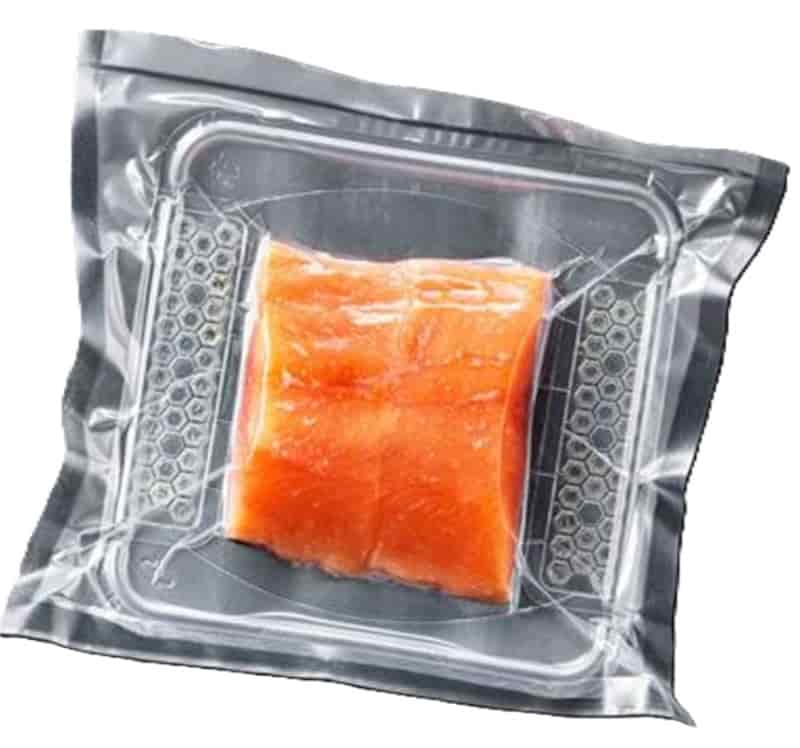
One of the latest developments comes from kp, which has introduced recyclable PET fish boards designed specifically for vacuum skin packaging applications. These boards represent a meaningful step forward for seafood brands seeking efficient, compliant, and sustainable packaging alternatives.
Recyclable PET fish boards are engineered to meet the growing demand for eco-conscious materials without compromising on product protection. With the ability to include up to 100 percent recycled content, they offer brands a practical way to align with tightening environmental regulations across Europe and beyond. This shift is especially relevant as extended producer responsibility schemes continue to influence packaging costs and material choices.
A key advantage of recyclable PET fish boards lies in their mono-material construction.
By using a single material type, these boards simplify the recycling process and ensure compatibility with existing PET recycling streams. This design reduces contamination risks and improves the likelihood that packaging will actually be recycled after use. For brands, this translates into both environmental benefits and potential cost savings related to compliance fees.
Lightweight design is another important feature of recyclable PET fish boards. Reducing material weight not only lowers transportation emissions but also improves overall logistics efficiency. The boards are designed with an open-flap structure that maximizes pallet utilization, allowing more units to be shipped in a single load. This contributes to a lower carbon footprint while optimizing supply chain performance.
Performance remains a top priority in food packaging, and recyclable PET fish boards are built to deliver strong vacuum skin packaging results. They provide excellent clarity, allowing consumers to clearly see the product, which is essential for seafood presentation. At the same time, the boards maintain structural integrity during handling and distribution, ensuring that the product reaches consumers in optimal condition.
One of the most innovative aspects of recyclable PET fish boards is the integration of advanced retention-chamber geometry.
This feature eliminates the need for traditional absorbent pads and adhesives, which are often difficult to recycle. Instead, the design channels excess liquid into micro-vacuum zones, keeping the product surface clean and reducing leakage risks. This not only enhances hygiene but also improves the overall consumer experience.
Automation compatibility is another strength of recyclable PET fish boards. Modern food production relies heavily on high-speed packing lines, and these boards are engineered to perform consistently in such environments. Their reinforced central section enhances durability during processing, reducing the likelihood of disruptions and increasing operational efficiency for manufacturers.
From a sustainability perspective, recyclable PET fish boards support closed-loop recycling systems when combined with recycled PET materials. This approach encourages the reuse of packaging materials within the same product category, reducing reliance on virgin resources. For companies aiming to strengthen their environmental commitments, this represents a tangible and scalable solution.
Consumer convenience is also a significant consideration.
Recyclable PET fish boards are designed to allow easy product removal, minimizing mess and simplifying handling. After use, consumers can rinse the packaging and place it into established recycling streams, making responsible disposal straightforward. This ease of use can play a role in improving recycling rates and enhancing brand perception.
Regulatory compliance is increasingly complex, particularly in the European market. Recyclable PET fish boards are developed to meet design-for-recycling guidelines in both the UK and EU. This ensures that brands adopting this solution are better positioned to navigate evolving legislation without needing frequent packaging redesigns.
The introduction of recyclable PET fish boards reflects a broader trend in the packaging industry toward smarter, more sustainable solutions.
By combining recyclability, performance, and efficiency, these boards address multiple challenges faced by food producers. They demonstrate that it is possible to reduce environmental impact while maintaining high standards of product protection and presentation.
Looking ahead, recyclable PET fish boards are likely to play a growing role in seafood packaging. As consumers become more aware of sustainability issues and regulators continue to push for greener practices, demand for such innovations will increase. Companies that adopt these solutions early may gain a competitive advantage by aligning with both market expectations and environmental goals.
In summary, recyclable PET fish boards offer a comprehensive packaging solution that meets the needs of modern food brands. They provide recyclability, reduce environmental impact, improve logistics, and maintain high performance standards. As the industry continues to evolve, solutions like these will be essential in shaping a more sustainable future for food packaging.
US Plastic Recycling Inequality Crisis Reveals 5 Barriers Limiting Nationwide Progress