Strait of Hormuz Agreement Sparks Urgent Global Energy Stability Concerns 6 Nations Respond
Strait of Hormuz Agreement: A Strategic Response to Rising Global Tensions
The Strait of Hormuz agreement marks a significant geopolitical development as six major economies align to address escalating risks in one of the world’s most critical energy corridors. Italy, Japan, Germany, the United Kingdom, France, and the Netherlands have jointly committed to safeguarding maritime navigation while stabilizing global energy markets.
This coordinated move reflects growing concern over disruptions in the Strait of Hormuz, a narrow but vital passage through which a substantial share of global oil and gas flows. As tensions intensify, the Strait of Hormuz agreement positions these nations at the forefront of efforts to prevent further instability.
Why the Strait of Hormuz Matters to Global Energy
The Strait of Hormuz agreement is rooted in the strategic importance of this maritime chokepoint. A significant percentage of the world’s oil and liquefied natural gas shipments transit through this route, making it indispensable to global energy security.
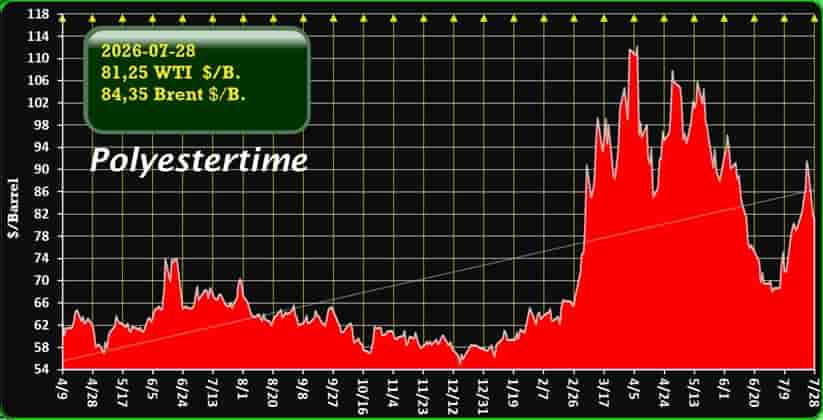
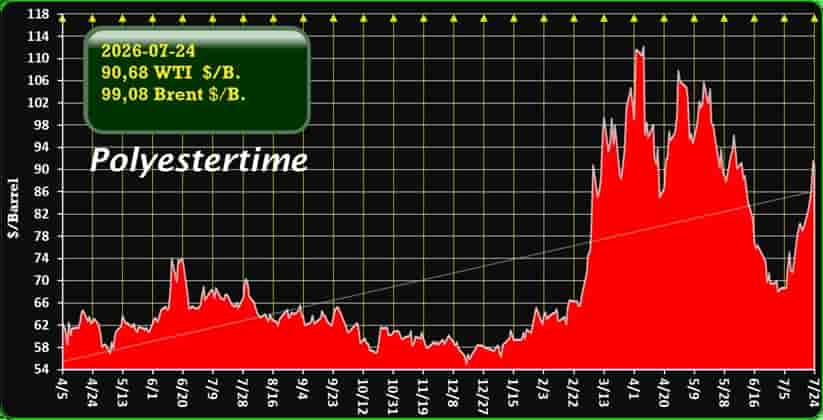
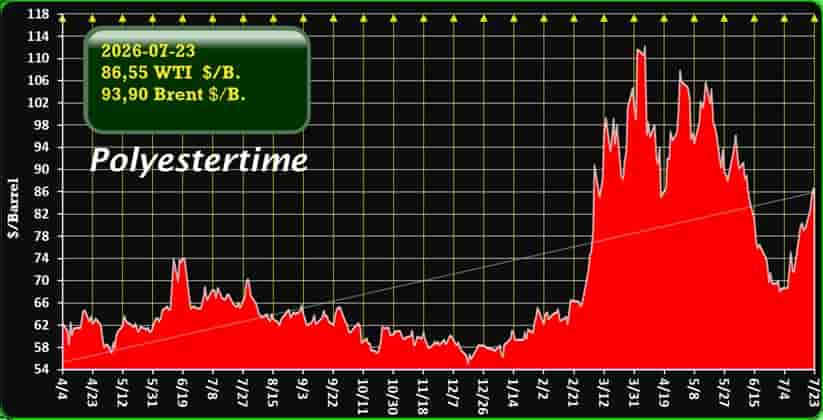
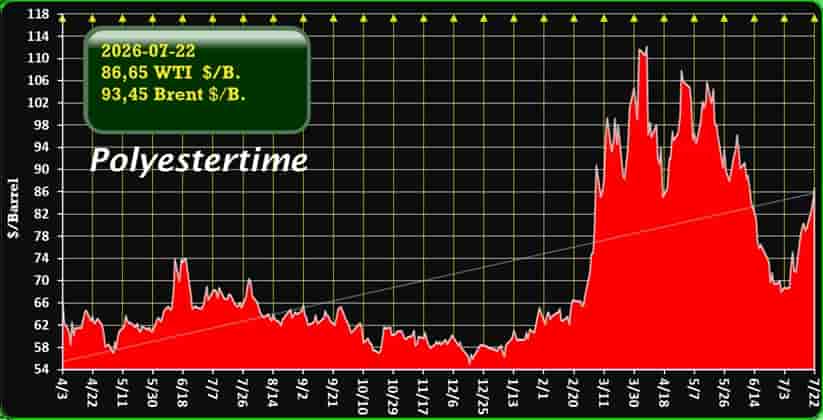
Recent disruptions have highlighted the fragility of supply chains. Even minor incidents in the Strait can trigger immediate price volatility and ripple effects across international markets. The Strait of Hormuz agreement aims to reduce these vulnerabilities by ensuring uninterrupted transit and reinforcing confidence in global energy systems.
Strong Condemnation of Destabilizing Actions
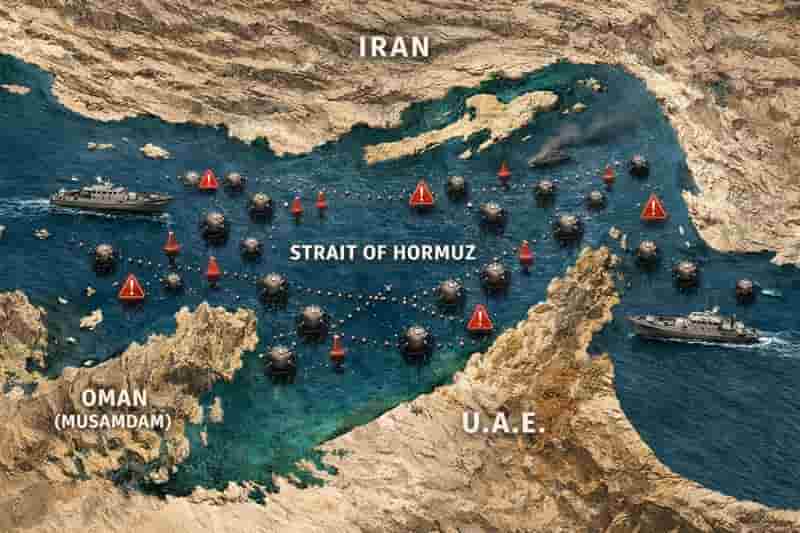
A central pillar of the Strait of Hormuz agreement is the unified condemnation of hostile activities attributed to Iran. The six signatory nations have denounced attacks on commercial vessels and energy infrastructure, as well as actions resembling a de facto blockade of the strait.
These developments are viewed as direct threats to international law, particularly the principle of freedom of navigation. The Strait of Hormuz agreement explicitly calls for the cessation of activities such as mining operations, drone strikes, and missile attacks, emphasizing compliance with established maritime norms.
Dual Strategy: Security and Energy Stabilization
The Strait of Hormuz agreement follows a dual-track strategy that combines maritime security with energy market stabilization. This approach acknowledges that safeguarding shipping lanes alone is insufficient without addressing the broader economic consequences of disruption.
On the security front, the signatories have expressed willingness to support multilateral initiatives aimed at protecting commercial shipping. While the Strait of Hormuz agreement does not involve direct military engagement, it leaves room for defensive and cooperative missions designed to ensure safe passage.
Simultaneously, the agreement focuses on stabilizing energy markets through coordinated policy actions. This includes managing supply levels and mitigating price volatility, which have become increasingly sensitive to geopolitical developments.
Strategic Oil Reserves and Supply Coordination
A key component of the Strait of Hormuz agreement is the coordinated release of strategic oil reserves. This measure is intended to offset potential supply disruptions and provide immediate relief to global markets.
In addition, the signatories are working closely with energy-producing countries to increase output where possible. The Strait of Hormuz agreement highlights the importance of international cooperation in maintaining supply-demand balance, especially during periods of heightened uncertainty.
These efforts are designed to prevent prolonged shocks that could negatively impact both developed and emerging economies. Countries heavily reliant on energy imports are particularly vulnerable, making the stabilization measures within the Strait of Hormuz agreement especially critical.
Protecting Global Supply Chains
Beyond energy, the Strait of Hormuz agreement addresses broader supply chain implications. The Strait is not only a conduit for oil and gas but also a key route for global commerce and industrial materials.
Disruptions in this region can lead to delays, increased shipping costs, and reduced availability of essential goods. By ensuring freedom of navigation, the Strait of Hormuz agreement helps maintain the integrity of global trade networks.
This aspect is particularly relevant for European and Asian economies, where manufacturing and industrial sectors depend on steady access to raw materials and energy inputs.
A Measured Approach to Maritime Security
The Strait of Hormuz agreement adopts a cautious yet proactive stance on maritime security. Rather than escalating tensions through direct military involvement, the participating nations emphasize multilateral cooperation and defensive strategies.
This measured approach reflects the complexity of the region and the need to balance deterrence with diplomatic engagement. The Strait of Hormuz agreement signals a preference for stability and de-escalation while remaining prepared to respond to threats.
Implications for Global Markets and Policy
The Strait of Hormuz agreement carries significant implications for global markets. By addressing both security and supply concerns, it aims to restore confidence among investors and market participants.
Energy prices, which have shown sensitivity to recent events, could stabilize as a result of coordinated actions. The Strait of Hormuz agreement also sets a precedent for future international cooperation in managing geopolitical risks.
From a policy perspective, the agreement underscores the importance of collective action in addressing complex global challenges. It demonstrates how major economies can align their strategies to protect shared interests.
Conclusion: A Critical Step Toward Stability
The Strait of Hormuz agreement represents a timely and strategic response to escalating tensions in a vital global region. By combining maritime security measures with energy stabilization efforts, the six participating nations are working to prevent further disruption and safeguard international markets.
As the situation continues to evolve, the effectiveness of the Strait of Hormuz agreement will depend on sustained cooperation and adherence to international norms. Nonetheless, it marks an important step toward ensuring the resilience of global energy systems and the security of critical trade routes.
Black Sea model offers 5 ways to ease dangerous Hormuz oil crisis
More…