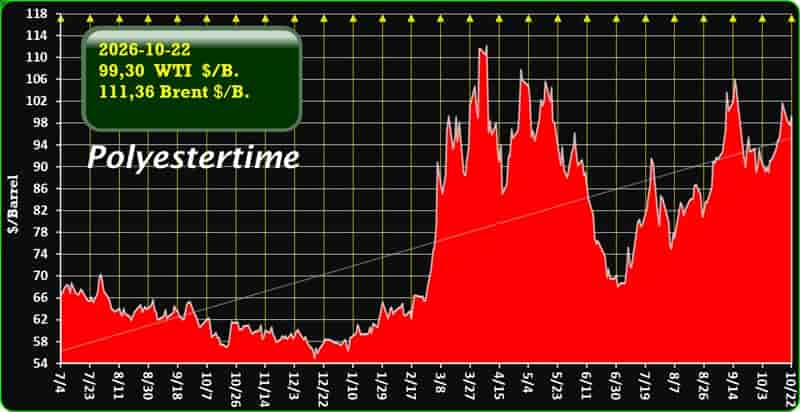
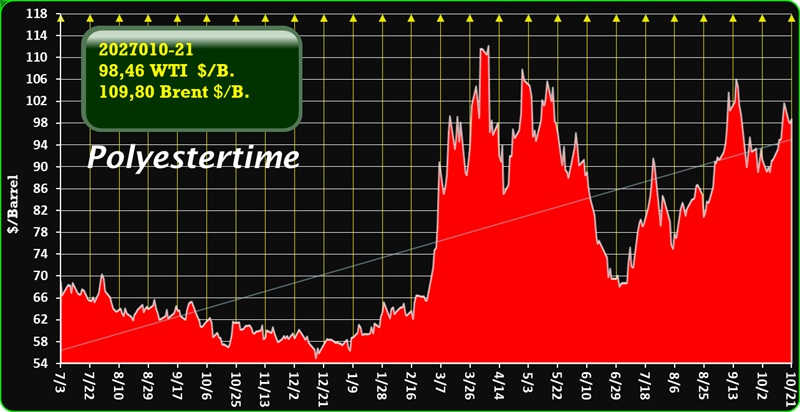
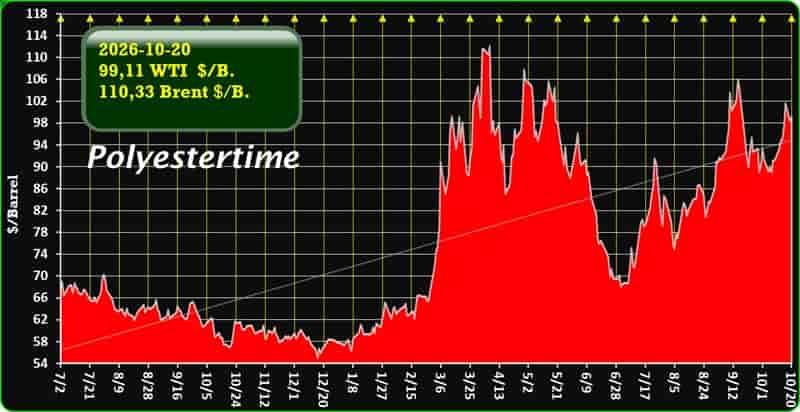
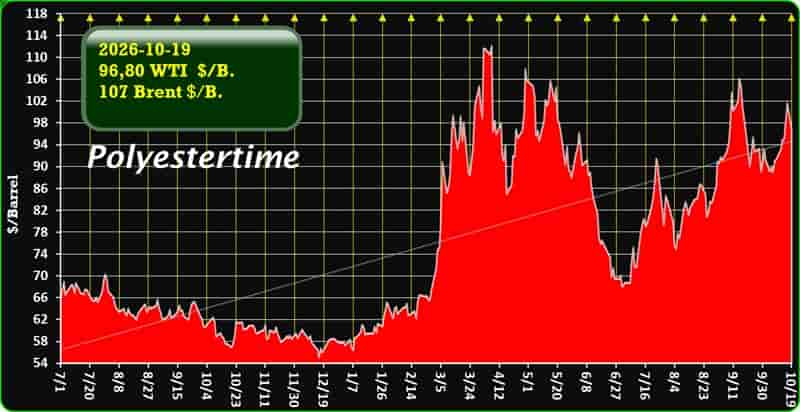
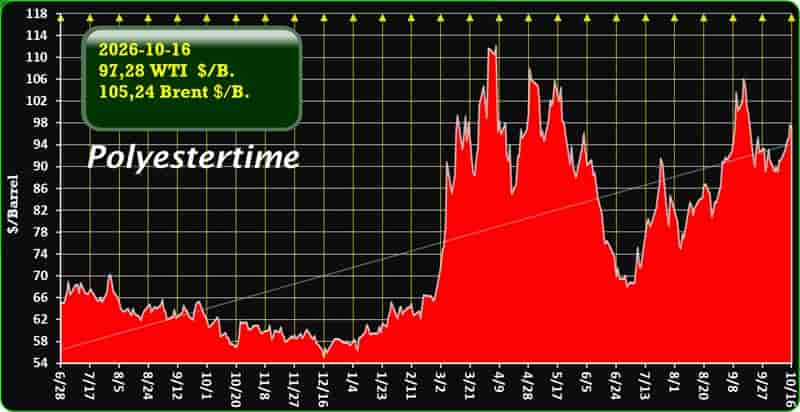
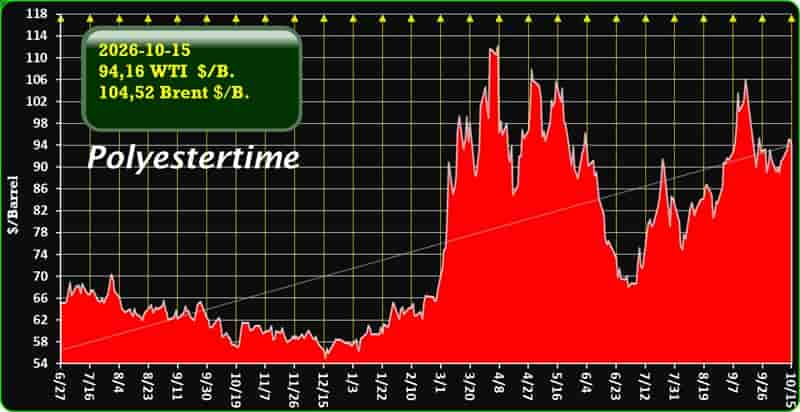
US-Iran Tensions Push Oil Prices Higher: Brent at $111 and WTI Near $99
US Iran War Oil
US-Iran Tensions Push Oil Prices Higher: Brent at $111 and WTI Near $99
Geopolitical instability in the Middle East has re-emerged as a major force in global commodity markets. With international benchmark Brent crude hovering around $111 per barrel and the American benchmark West Texas Intermediate (WTI) trading at approximately $99 per barrel, energy traders, policymakers, and consumers worldwide are confronting the realities of high energy prices.
The primary driver behind this sharp upward rally is the deteriorating political and military environment surrounding the ongoing confrontation involving the United States, its regional allies, and Iran. As diplomatic efforts stutter and security risks across key maritime supply corridors escalate, the global economy faces heightened volatility. US Iran War Oil
Escalating Geopolitical Friction and the Security of Energy Supply
The immediate spike in energy futures reflects a growing fear among commodity analysts: the threat of direct or collateral disruption to global crude flows. Tensions between Washington and Tehran have heightened after recent breakdowns in diplomatic discussions aimed at de-escalating military activity in the Gulf region. US Iran War Oil
The Strait of Hormuz Risk Premium
At the center of global anxiety lies the Strait of Hormuz, a critical maritime chokepoint through which roughly a fifth of the world’s daily petroleum consumption passes. Recent maritime incidents, including reported drone attacks on commercial vessels, threat activity off the coast of Oman, and naval mining alerts, have added a substantial “war premium” to crude futures.
Even partial or temporary disruptions in transit through the Strait have historically caused immediate price shocks. Energy market analysts emphasize that while physical exports from major producers in the Arabian Gulf have continued to move, shipping insurers have raised rates substantially. This increase in maritime insurance costs directly translates into higher landed costs for crude refiners across Europe, Asia, and North America. US Iran War Oil
Regional Contagion and Infrastructure Attacks
The security scenario is further complicated by regional proxy activities. Recent strikes targeting key energy facilities in neighboring gulf nations, alongside escalated drone activity across the region, demonstrate the vulnerability of energy infrastructure to asymmetric warfare. Market participants remain concerned that any broader tactical escalation by Iranian forces or regional groups could result in direct damage to extraction, processing, or export terminal installations. US Iran War Oil
Supply Fundamentals: Tight Inventories Amplify Price Swings
While geopolitical risk factors dominate headline movements, underlying market supply-and-demand fundamentals are reinforcing the high-price environment. The broader energy supply chain was already operating under tight parameters prior to the current crisis.
+-----------------------------------------------------------------------+
|                       Crude Benchmark Summary                         |
+-------------------+-----------------+---------------------------------+
| Benchmark         | Current Level   | Key Market Drivers              |
+-------------------+-----------------+---------------------------------+
| Brent Crude       | ~$111 / barrel  | Middle East supply security,   |
|                   |                 | Hormuz shipping risk premium    |
+-------------------+-----------------+---------------------------------+
| WTI Crude         | ~$99 / barrel   | Tightening US domestic stocks,  |
|                   |                 | Strong refining demand          |
+-------------------+-----------------+---------------------------------+
Falling Commercial Stocks in the United States
Data released by energy reporting agencies shows that US commercial crude inventories have experienced consecutive weeks of draws, dropping by several million barrels. A combination of steady refinery utilization and strong domestic demand has kept supplies leaner than seasonal averages. When tight domestic inventories coincide with external geopolitical supply shocks, the market loses its buffer against price spikes. US Iran War Oil
OPEC+ Capacity and Policy Decisions
The Organization of the Petroleum Exporting Countries and its allies (OPEC+) maintain significant influence over global balance sheets. Although some alliance members possess spare production capacity, bringing that capacity online quickly presents operational and geopolitical challenges. Furthermore, several key producers remain cautious about oversupplying a fragile market, leading to a conservative production policy that provides little relief against elevated price levels.
Macroeconomic Impact: Inflation, Growth, and Central Bank Policy
Oil prices at $111 for Brent and $99 for WTI carry far-reaching macroeconomic consequences. Petroleum remains a primary input for transportation, agriculture, manufacturing, and chemical synthesis. Sustained periods of elevated prices trigger compounding economic pressure across global markets. US Iran War Oil
Resurgent Inflationary Pressures
Central banks globally have spent recent years navigating monetary policy to bring consumer inflation back toward target levels. High crude prices immediately feed into higher pump prices for gasoline and diesel fuel, increasing shipping and supply chain costs for everyday consumer goods. This energy-driven inflation risks undoing progress made on core inflation, forcing central banks to maintain elevated interest rates or reconsider planned rate cuts.
Regional Vulnerabilities: Europe and Import-Dependent Asia
The impact of $100+ oil is not distributed evenly across the globe:
-
Import-dependent Asian economies, particularly major industrial manufacturing hubs, face higher import bills and reduced trade balances. US Iran War Oil
-
European nations, already adapting to shifted energy flows over recent years, face renewed wholesale energy spikes that weigh heavily on industrial output and consumer purchasing power.
-
The United States, while a major energy producer itself, still experiences domestic consumer drag at the pump, which can diminish consumer confidence and discretionary spending.
Strategic Responses and Market Outlook
Governments and international energy bodies are evaluating tactical responses to mitigate supply risks and stabilize futures markets.
Strategic Petroleum Reserves (SPR)
One primary mechanism available to major consuming nations is the coordinated release of Strategic Petroleum Reserves. While SPR releases can provide temporary physical supply to refiners during localized disruptions, market analysts widely regard them as short-term measures. Without a fundamental resolution to regional conflict or sustained production increases, SPR announcements often provide only brief downward relief to futures contracts. US Iran War Oil
Alternative Trade Routes and Logistics
Refiners and trading houses are actively modifying logistics to bypass high-risk zones where possible. However, rerouting crude tankers around alternative routes adds days or weeks to transit schedules, effectively tying up maritime cargo capacity and pushing freight rates higher.
Conclusion: Navigating an Era of Energy Volatility
The convergence of military confrontation, chokepoint vulnerability, and tight global inventories has pushed crude oil prices back into critical territory. With Brent crude near $111 per barrel and WTI approaching $99 per barrel, the market reflects a substantial security premium that is unlikely to dissipate without verifiable diplomatic de-escalation. US Iran War Oil
For business leaders, investors, and consumers, managing this period of elevated energy costs requires close attention to both geopolitical developments in the Middle East and underlying inventory fundamentals. As long as regional stability remains in question, energy markets will continue to operate under heightened sensitivity, with significant implications for the broader global economy.
Escalating US-Iran Crisis Threatens Global Economy as Brent Crude Surges Past $110
More….