Game-Changing Sustainable Dairy Packaging Solutions Revolutionize USA Processing Standards
Game-Changing Sustainable Dairy Packaging Solutions Revolutionize USA Processing Standards
North American dairy processors face an unprecedented intersection of operational pressure. Rising consumer demand for eco-friendly products, stricter environmental frameworks, and tight margins require plants to cut carbon emissions without jeopardizing product safety or profitability. Achieving carbon neutrality in fluid milk, extended shelf-life (ESL) formulations, and specialized protein beverages requires a complete re-evaluation of primary packaging and liquid processing architectures.
Addressing these industry challenges, packaging and processing equipment provider Sidel is showcasing its portfolio of sustainable dairy packaging solutions as a featured sponsor of Dairy Innovation Strategies USA 2026. Taking place on September 15 and 16 at the Sheraton Grand in Chicago, the conference gathers over 150 senior executives, 20 technical speakers, and 25 specialized exhibitors to focus on decarbonization strategies, high-protein formulations, and automated packaging efficiency across North American supply chains.
Overcoming the Trade-Off Between Eco-Design and Food Safety
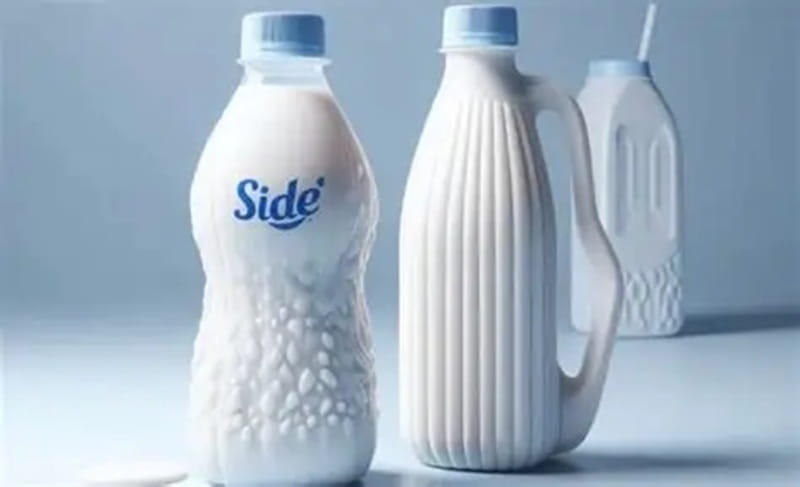
Transitioning away from traditional high-density polyethylene (HDPE) jug designs or multi-material paperboard cartons presents significant engineering challenges. While alternative materials can lower carbon footprints, sensitive dairy matrices require uncompromising barrier protection against light, oxygen, and microbial contamination to protect shelf life. Incorporating lightweight structures or recycled resins must be executed carefully to ensure bottle rigidity, top-load strength, and thermal stability during high-speed blow-molding and filling operations. sustainable dairy packaging solutions
To solve these packaging trade-offs, Sidel’s presentation—Advancing Dairy Growth Through Sustainable Solutions—focuses on combining circular bottle design with aseptic processing technology. Led by Jerome Tenaud, Sales Director North America, alongside Key Account Director Nicolas Bouche and Technical Sales Manager Luis Arbona, the session outlines how circular PET packaging supports long-term operational performance without sacrificing hygiene.
Core Technological Advantages
-
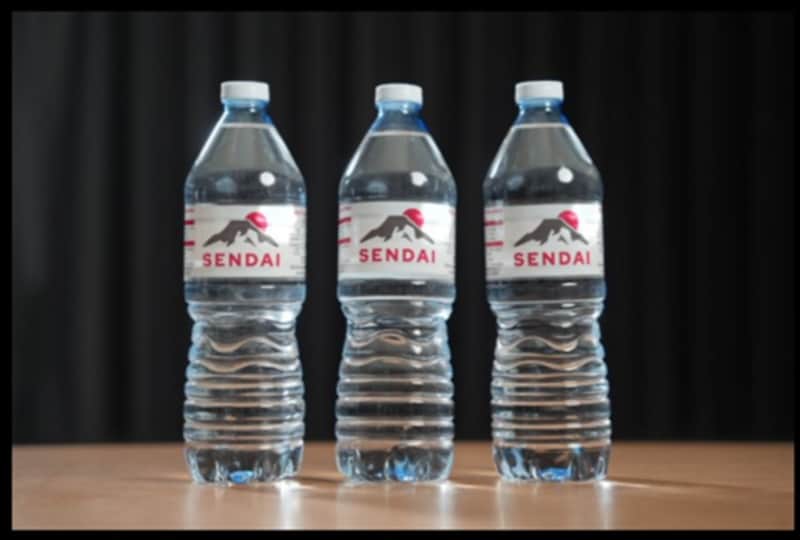
100% Recycled PET (rPET) Integration: Transitioning from virgin fossil-based plastics to fully closed-loop rPET containers reduces carbon emissions across the packaging lifecycle.
-
Dry Preform Decontamination: Utilizing dry-preform aseptic sterilization eliminates water consumption during bottle rinsing while using zero chemicals, securing ultra-long shelf life for ambient and chilled distribution without preservatives.
-
Resource-Efficient Light-Weighting: Engineered preform geometries maintain structural integrity during stacking and transit while reducing total resin usage per bottle.
Driving Circularity with Integrated Processing and Packaging
Modern commercial viability relies on integrating raw liquid processing directly with downstream packaging lines. Fragmented machinery leads to thermal loss, product give-away, extended clean-in-place (CIP) downtime, and elevated utility consumption.
At the Chicago conference, Sidel is hosting two consecutive 40-minute interactive roundtable sessions. These workshops guide plant engineers and operational managers through real-world deployment strategies designed to optimize heat exchangers, reduce utility consumption, and lower Total Cost of Ownership (TCO) across liquid processing lines.
Meeting North American Consumer & Market Demands
The North American dairy sector is undergoing a massive shift in product categories. Consumer preferences are moving rapidly toward functional high-protein beverages, lactose-free milk, single-serve ESL yogurt drinks, and plant-based dairy alternatives. These sensitive liquid formulations require flexible manufacturing setups capable of quick format changeovers, low thermal impact, and absolute microbial safety.
-
Material Circularity: Replacing hard-to-recycle multi-layer barriers with 100% food-grade rPET helps brands comply with circular economy mandates.
-
Resource Conservation: Implementing dry preform decontamination eliminates wet bottle rinsing, saving significant volumes of water annually.
-
Extended Shelf Life: Aseptic PET filling protects sensitive formulations, enabling ambient distribution and reducing reliance on uninterrupted cold chains.
-
Format Flexibility: Customizable PET bottle shapes allow rapid line changeovers for diverse single-serve and multi-serve SKUs.
By replacing traditional multi-material cartons and rigid HDPE containers with fully recyclable, lightweight PET options, dairy processors preserve internal margins while delivering on sustainability commitments. sustainable dairy packaging solutions
Future Outlook for Dairy Manufacturers
As regulatory pressure surrounding plastic waste and industrial emissions increases across North America, adopting end-to-end sustainable dairy packaging solutions is becoming essential. The technical strategies shared at Dairy Innovation Strategies USA 2026 demonstrate that sustainable packaging design, aseptic filling safety, and operational efficiency can coexist within a unified manufacturing framework.
Dairy brands that invest in circular rPET technologies and high-efficiency aseptic packaging platforms position themselves to lower operational carbon footprints, protect product integrity, and satisfy the requirements of modern, eco-conscious consumers. sustainable dairy packaging solutions
More…