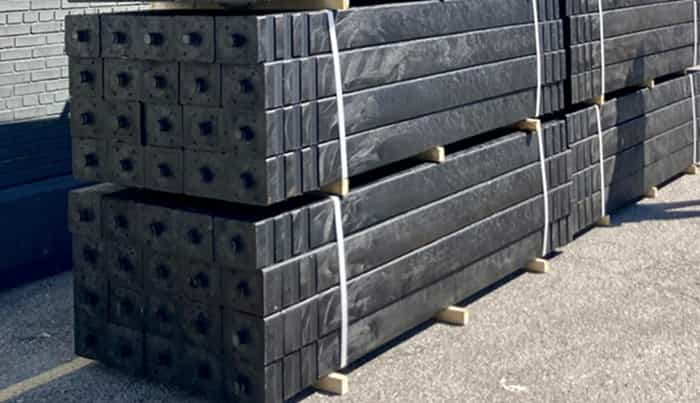
Sustainable Recycling – Loop Industries Expands Recycling Footprint in India with Gujarat PET Project Loop Industries’ latest move strengthens India’s position in the global circular economy by transforming textile waste into sustainable PET resin 18-08-2025 - Archive
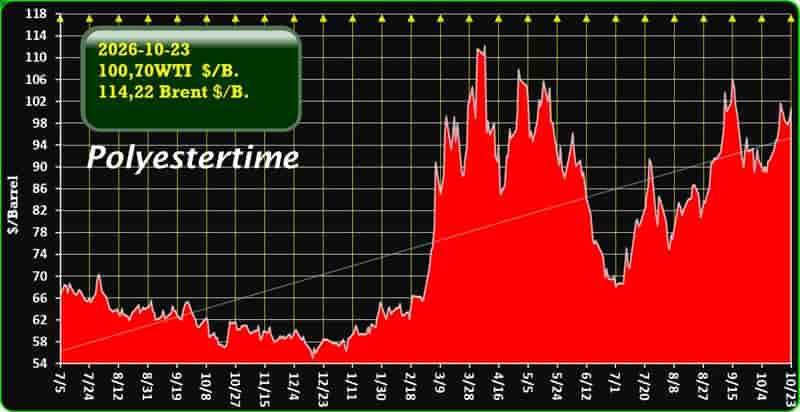
Crude Oil Prices Trend

K Show 2025: Guided Tours for Innovation, Design, and Talent
At K Show 2025, visitors will gain more than just a trade fair experience.
With guided tours tailored to specific themes, attendees can explore cutting-edge innovations,engage with industry leaders, and discover the trends shaping the future of plastics, design,and sustainability. These tours are designed to help professionals, creatives, and students make the most of their visit, while also ensuring a mobile-friendly, streamlined experience for modern audiences. Sustainable Recycling
Table of Contents
Overview of K Show 2025 Tours
The guided tours at K Show 2025 provide targeted orientation, helping visitors focus on
innovations most relevant to their professional interests. Instead of walking aimlessly
through thousands of booths, participants are guided directly to leading exhibitors.
Each tour is led by experts who combine in-depth knowledge with a clear narrative about
industry trends. This makes the tours not only informative but also highly practical
for decision-making, networking, and inspiration. Sustainable Recycling
Innovative Materials & Forward-Looking Design
The Materials & Design Tour is led by world-renowned designer and materials
specialist Chris Lefteri. This experience is crafted for product developers,
industrial designers, and creative professionals who want to stay at the forefront of
design innovation.
Participants will visit exhibitors pioneering sustainable concepts, new technologies, and
cutting-edge material solutions. Lefteri will explain which design trends are most relevant
for the future, showing how plastics can embody functionality, sensory richness, and
emotional value. The tour emphasizes the shift towards sustainable design practices
that merge aesthetics with environmental responsibility. Sustainable Recycling
“Materials are not just functional—they shape how we feel, interact, and engage with products.” – Chris Lefteri
Digital Solutions, Smart Processes & Sustainable Recycling
Digitalisation is transforming the plastics industry at every stage of the value chain.
The Digital Solutions and Smart Processes Tour focuses on how
companies leverage AI, data-driven processes, and intelligent production systems
to improve efficiency, transparency, and sustainability. Sustainable Recycling
Visitors will also explore innovative recycling methods, gaining insight into the
circular economy in action. Stops include the VDMA’s Power of Plastics Forum,
as well as booths from leading exhibitors showcasing real-world best practices.
These guided experiences demonstrate how smart technologies create
more sustainable, reliable, and cost-effective solutions.
- AI-powered production monitoring
- Data-driven process optimization
- Closed-loop recycling innovations
Young Talents Tour: Inspiring Future Leaders Sustainable Recycling
The Young Talents Tour is uniquely designed for vocational students,
trainees, and university attendees. What makes it special is that the tour is led
by young professionals from the industry, offering an authentic peer-to-peer
perspective.
Participants will explore the Young Talents Lounge, attend live demonstrations,
and visit exhibitor stands that showcase opportunities for career growth. The focus is on
making the plastics and rubber industry more accessible, diverse, and exciting for the next
generation of professionals.
With hands-on activities and interactive sessions, the Young Talents Tour is not just
educational but also inspiring—perfect for those beginning their journey in the sector.
Tour Languages & Accessibility
All guided tours at K Show 2025 are offered in both German and English,
ensuring accessibility for an international audience. Sustainable Recycling
Best of all, participation is free of charge. Visitors can find detailed schedules and registration information on the official K Show website.
Conclusion
K Show 2025 is more than an exhibition—it is a knowledge-sharing platform.
With themed guided tours, participants gain a curated experience that connects
them with industry innovations, design trends, digital solutions, and career
opportunities.
By optimizing for mobile, semantic search, and LLM readability, this article
ensures that your website not only engages visitors today but also positions
itself for long-term visibility and authority in the digital ecosystem.

ACCC Proposes Authorisation of New Soft Plastics Recycling Scheme
Date: August 18, 2025
“It is clear that many Australians are concerned about the environmental impacts of soft plastic packaging and want to recycle it.”
— Mick Keogh, ACCC Deputy Chair Sustainable Recycling
Overview of the Proposed Scheme
The Australian Competition & Consumer Commission (ACCC) has released a
draft determination proposing to authorise a new, voluntary industry-led scheme for the collection and recycling of soft plastic packaging. Sustainable Recycling
The program will be managed by Soft Plastics Stewardship Australia (SPSA)
and aims to rebuild consumer trust following the collapse of REDcycle,
which left stockpiles of plastic waste across the country.
Role of Soft Plastics Stewardship Australia (SPSA)
SPSA has been tasked with coordinating collection, logistics, and recycling
of soft plastics such as shopping bags, food wrappers, and household packaging.
The organisation will oversee operations across supermarkets and kerbside recycling pilots, with the goal of diverting soft plastics from landfill. Sustainable Recycling
The ACCC has already granted interim authorisation, allowing SPSA to share operational data and take over responsibilities from the temporary Soft Plastics Taskforce.
Who Are the Initial Members?
The founding members of the SPSA scheme include major supermarkets
and food manufacturers:
- Woolworths
- Coles
- Aldi
- Nestlé
- Mars
- McCormick Foods Sustainable Recycling
Their involvement demonstrates both industry responsibility
and recognition of consumer demand for sustainable packaging solutions.
Background: REDcycle and the Recycling Gap
The collapse of REDcycle in 2022 exposed vulnerabilities in Australia’s recycling infrastructure.
Stockpiles of unprocessed soft plastics left consumers frustrated and
supermarkets scrambling to find alternatives. Sustainable Recycling
According to the Australian Packaging Covenant Organisation (APCO),
more than 540,000 tonnes of soft plastics were placed on the market
between 2022 and 2023, yet only 6% was recovered.
Around 70% of this packaging was business-to-consumer,
meaning household-level plastic waste remains the biggest challenge.
How the Scheme Will Be Funded
The SPSA scheme will be financed through a levy on participating businesses based on the volume of business-to-consumer soft plastics they introduce into the market.
For example:
| Scenario | Responsible Party |
|---|---|
| Manufacturer sells packaged goods to supermarket | Manufacturer pays levy |
| Supermarket sells its own brand packaged goods | Supermarket pays levy |
Some costs may eventually be passed along the supply chain, but the model is designed to ensure accountability from businesses that place plastics into circulation. Sustainable Recycling
Environmental and Public Benefits
ACCC Deputy Chair Mick Keogh highlighted that Australians want solutions for soft plastics, and this scheme is a critical step forward.
Benefits include:
- Diverting plastics from landfill and oceans
- Building scalable recycling systems for households
- Creating a transparent reporting framework
- Restoring consumer trust in supermarket recycling
Conditions and Safeguards
The ACCC proposes to authorise the scheme for eight years,
with key conditions:
- Public reporting requirements for transparency
- No exclusive contracts with processors, ensuring competition
- Regular performance reviews to measure success Sustainable Recycling
These safeguards aim to balance environmental benefits with fair market practices.
Policy Context and Government Alignment
The SPSA initiative complements broader government efforts
to reform packaging regulations.
The Department of Climate Change, Energy, the Environment and Water
is working on new national packaging rules to reduce waste
and accelerate the shift to a circular economy. Sustainable Recycling
Importantly, this government reform is separate from the SPSA scheme,
but the two initiatives are aligned in objectives and outcomes.
Conclusion: A Step Toward Circular Packaging
The ACCC’s proposal to authorise the SPSA soft plastics recycling scheme
marks a major step in rebuilding Australia’s recycling ecosystem.
By combining supermarket leadership, industry accountability, and regulatory oversight, the initiative aims to close the gap between consumer demand and recycling capacity.
While challenges remain, the scheme demonstrates how collaboration between government, industry, and consumers can create measurable progress toward a circular economy. Sustainable Recycling

Loop Industries Expands Recycling Footprint in India with Gujarat PET Project
Loop Industries’ latest move strengthens India’s position in the global circular economy by transforming textile waste into sustainable PET resin.
Project Overview
Loop Industries Inc., a sustainability-driven plastics recycling technology company headquartered in Quebec, has announced its joint venture in India will develop a 70,000-tonne-per-year recycled polyethylene terephthalate (rPET) plant.
Located in Gujarat, the plant is expected to be a cornerstone in India’s circular plastics economy.
The facility will initially operate at 70,000 tonnes per year, with plans to expand capacity by another 100,000 tonnes following the first phase. The company has not yet disclosed a construction start date or commissioning timeline, but regulatory approval is expected by the end of 2025. Sustainable Recycling
Why Gujarat is the Right Location
Gujarat, particularly the Surat region, is renowned for its textile and petrochemical industries. By situating the plant here, Loop Industries ensures access to an abundant supply of polyester textile waste, which is crucial for sustainable rPET production.
The site also offers strategic advantages, including:
- Reliable renewable energy infrastructure for clean operations
- Proximity to a deep-water port for global resin exports
- Access to India’s advanced industrial ecosystem and skilled workforce
Inside the New rPET Plant
Designed with sustainability at its core, the Gujarat rPET facility will run on
80% renewable electricity and renewable biofuels.
According to Loop, the resulting PET resin will have a carbon footprint up to
80% lower than traditional petroleum-based PET. Sustainable Recycling
Beyond environmental efficiency, the plant is expected to support India’s sustainability
goals by creating a localized, circular recycling loop for packaging and textiles.
Financial and Strategic Efficiency
Loop confirmed that the land acquisition cost stands at USD 10.5 million,
which represents a USD 5 million saving compared to earlier
capital expenditure estimates outlined in the FEED package prepared by
Tata Consulting Engineers.
The cost reduction underlines Loop’s strategic efficiency in deploying capital
for large-scale sustainability projects without compromising innovation.
Global Strategy and Partnerships
The Gujarat project aligns with Loop’s broader strategy of forging global partnerships.
In May 2024, the company signed a 50/50 joint venture agreement with Ester Industries Ltd. to produce secondary raw materials like recycled dimethyl terephthalate (rDMT) and recycled monoethylene glycol (rMEG). Sustainable Recycling
Together, Loop and Ester plan to:
- Produce 70,000 tonnes per year of rDMT
- Produce 23,000 tonnes per year of rMEG
- Leverage patented depolymerization technology to maximize material recovery
Ester’s strong manufacturing base in Hatim and Hyderabad—covering polyester resin,
polyester film, and specialty polymers—provides the industrial backbone to scale
these joint initiatives. Sustainable Recycling
Environmental and Market Impact
Environmental Benefits
PET is one of the most widely used plastics globally, yet it often contributes to
landfill waste and ocean pollution. Loop’s Gujarat plant directly addresses this issue
by converting polyester textile waste into high-quality rPET resin.
Benefits include:
- Reducing dependency on virgin fossil-based plastics
- Lowering greenhouse gas emissions by up to 80%
- Supporting India’s renewable energy adoption and waste management goals
- Advancing the global circular economy Sustainable Recycling
Market Implications
With consumer brands pledging to increase recycled content in packaging, demand for rPET is rising rapidly.
Loop’s Gujarat facility positions Indiaas a regional hub for sustainable polymer production, serving both domestic and international markets.
Conclusion
Loop Industries’ Gujarat project represents a critical step toward a more sustainable future. By transforming textile waste into high-quality rPET, the initiative supports global circular economy goals while enhancing India’s leadership in sustainable manufacturing.
With multinational consumer brands under growing pressure to reduce their environmental footprint, projects like this will not only redefine the plastics industry but also shape the future of responsible production worldwide. Sustainable Recycling
Plastic Pollution – Plastic Pollution Treaty Talks Collapse as Oil States Oppose Global Agreement Global hopes for a landmark treaty to end plastic pollution suffered a major blow in Geneva as negotiations collapsed on Friday
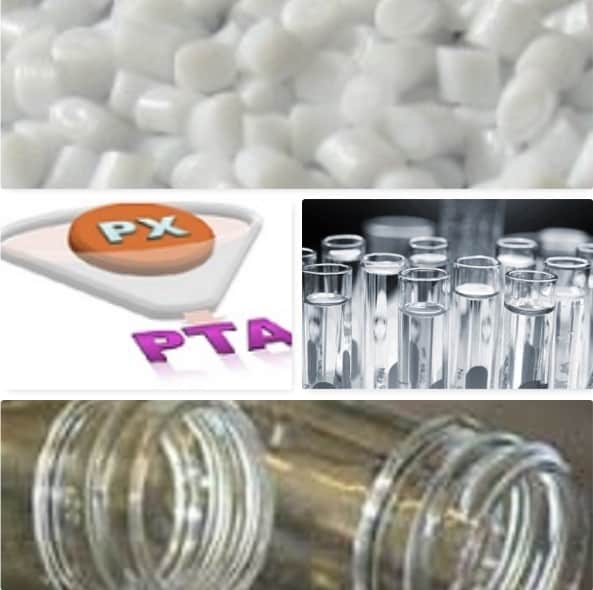
Polyplastics Group’s Innovative Recycling Technologies at K 2025
Table of Contents
Introduction
At the K 2025 exhibition, taking place from to in Düsseldorf, Germany, Polyplastics Group will unveil its latest sustainability initiatives and breakthrough recycling technologies. Smart Plastic
Located at Hall 7A/B02, the company will showcase its efforts to create a cleaner, healthier, and more sustainable plastics industry. Sustainable Recycling
The announcements will highlight new methods that significantly reduce environmental impact, aligning with global climate goals and accelerating the transition to a circular economy. Smart Plastic
Updated Sustainability Goals
Polyplastics’ parent company, the Daicel Group, has committed to two ambitious carbon reduction targets:
- 50% reduction in greenhouse gas (GHG) emissions by 2030 compared to 2018 levels.
- 30% reduction in cradle-to-gate product carbon footprint (PCF) compared with 2018. Sustainable Recycling Smart Plastic
These goals are integral to the company’s long-term environmental roadmap and will be monitored using advanced carbon tracking systems for transparency and accountability.
POM-to-POM Chemical Recycling
One of the headline innovations at K 2025 is Polyplastics’ POM-to-POM chemical recycling technology. This process enables 100% regeneration of polyoxymethylene (POM) into high-performance engineering plastics. Smart Plastic
Currently in the demonstration phase, the technology is set for commercial launch in 2028. It forms part of the company’s DURACIRCLE® Sustainable Solutions platform, which focuses on closed-loop recycling systems. Sustainable Recycling
PBT-to-PBT Solvent-Based Recycling
Polyplastics is also introducing a PBT-to-PBT solvent-based recycling technology that can separate glass-reinforced PC/PBT into its glass fiber (GF), polycarbonate (PC), and polybutylene terephthalate (PBT) components.
This innovation makes it possible to recycle waste PBT-based compounds that were previously considered unrecyclable, paving the way for higher material recovery rates in industrial manufacturing. Sustainable Recycling
Bio-Based PHBA Development
In its pursuit of sustainable material innovation, Polyplastics is developing bio-based p-hydroxybenzoic acid (PHBA)—a critical monomer for LAPEROS® liquid crystal polymer (LCP). The company is exploring multiple production routes to obtain green PHBA, ensuring flexibility in sourcing and scalability.
This effort is supported by the Daicel Group’s wood chemical technologies, enabling the creation of molecularly structured bio-based polymers derived solely from biomass.
Partnerships & Industry Collaboration Sustainable Recycling
Polyplastics recognizes that advancing recycling technologies requires cross-industry cooperation. Through strategic partnerships, the company aims to:
- Standardize material recovery processes across supply chains.
- Collaborate on AI-aided mechanical recycling systems.
- Develop scalable infrastructure for bio-based polymer production.
This collaborative approach ensures that sustainability efforts are not siloed, but instead benefit the entire plastics ecosystem. Sustainable Recycling
Future Vision and Circular Economy Impact Smart Plastic
Looking ahead, Polyplastics envisions a world where high-performance plastics can be produced, used, and reused with minimal environmental impact. By combining chemical recycling, bio-based materials, and AI-driven sorting systems, the company is building the foundation for a closed-loop plastics economy.
The initiatives unveiled at K 2025 are not isolated projects—they form a holistic strategy to balance economic viability with environmental responsibility. Sustainable Recycling

US and Mexico Recycled PET Markets Face Delayed Recovery Amid Economic Pressures
The recycled PET (polyethylene terephthalate) markets in both the United States and Mexico continue to face significant headwinds as economic uncertainty, weakened end-consumer demand, and competitive virgin resin prices weigh heavily on recovery prospects. While participants remain hopeful for restocking opportunities later in the year, expectations for a near-term rebound appear increasingly distant.
Table of Contents
Market Overview
Both US and Mexican recycled PET markets remain under pressure. Despite increased bale supply and softer prices,sluggish demand continues to constrain growth opportunities. Downstream buyers are hesitant, citing economic uncertainty, inflation, and competitive pressures from virgin PET as reasons for limited purchasing activity.
With demand expected to stay muted in the near term, recovery is not anticipated until late in the year, if at all.
US Recycled PET Market Struggles
On the US West Coast, bearish sentiment dominates discussions. Participants across the value chainreport weak buying interest, with some suggesting restocking may not occur until December. Sustainable Recycling
According to S&P Global Commodity Insights data, prices for post-consumer PET bottle bales began falling in early May after months of elevated values caused by limited supply and robust export demand.
As supply normalized, prices softened further, yet demand did not recover.
“Maybe we will see some restocking in December,” noted one pelletizer, reflecting the industry’s cautious optimism.
Even with cheaper bale prices, recyclers’ profit margins remain squeezed. Imported clear flake and virgin resin continue to compete aggressively, limiting domestic buyers’ appetite for US material. This has affected not just the West Coast, but also the Midwest and Southeast markets, where inventories are rising. Sustainable Recycling
Mexico’s Market Hit by Softer Beverage Demand
In Mexico, demand for recycled PET is being dragged down by weak beverage consumption. Lower sales of soda and bottled water are reducing the need for PET packaging, cutting into recycler revenues.
This marks a stark contrast to earlier periods of tight supply and robust demand. Now, inflationary pressures, macroeconomic uncertainty, and adverse weather conditions such as heavy rainfall are adding to the downturn.
Clear flakes produced domestically face depressed demand, as lower-cost imports of both recycled and virgin PET undermine local recyclers’ margins. Sustainable Recycling
Supply and Demand Pressures
Across both markets, the supply-demand imbalance is clear. Seasonal increases in
post-consumer material are expanding availability just as end-consumer demand weakens. This mismatch has left recyclers struggling to place material effectively, adding to stockpiles.
The close link between consumer demand and recycled PET consumption highlights a structural challenge:
when buyers cut back on packaged goods, PET demand contracts quickly.
Pricing Trends and Margin Pressures Sustainable Recycling
Even as bale prices decline, recycled PET has not gained competitiveness. Virgin PET prices, combined with imported clear flakes, remain highly attractive to buyers seeking cost efficiency. This creates a margin squeeze for recyclers, who face rising supply costs and limited buyer willingness.
For recyclers, the long-term viability of operations depends on stabilizing demand and re-establishing value for recycled materials. Until then, competitive imports will continue to undercut domestic efforts.
Economic Uncertainty and Consumer Behavior Sustainable Recycling
Inflation and shifting consumer behavior are central to the recycled PET market story.
End-consumers across the US and Mexico are increasingly focused on essential purchases, deprioritizing discretionary spending that often drives PET packaging use.
Broader macroeconomic uncertainties, including fears of slower growth, currency fluctuations, and shifting trade flows, only deepen the challenge. For many recyclers, this translates into muted demand, rising inventories, and delayed recovery timelines.
Conclusion
Both the US and Mexican recycled PET markets face ongoing challenges tied to weak demand, competitive virgin resin pricing, and broader economic uncertainties. While supply remains abundant,buyers’ hesitance continues to suppress margins and stall recovery. Sustainable Recycling