2026 Chemical Industry Earthquake Triggers a Historic Collapse of Scale as BASF Mitsubishi Chemical and Industry Titans Close Plants Dump Assets and Redefine Survival 29-01-2026
2026 Chemical Industry Earthquake
The opening weeks of 2026 have triggered what many analysts now describe as a true 2026 chemical industry earthquake
In rapid succession, several of the world’s largest chemical companies announced factory closures, joint shutdowns, and the sale of major business units. These moves are not isolated cost adjustments. Together, they reveal a fundamental transformation reshaping the global chemical industry.
From Europe to Asia, chemical giants are stepping back from capital-intensive assets and refocusing on fewer, higher-value activities. The long-standing belief that scale alone guarantees competitiveness is being challenged at its core. The 2026 chemical industry earthquake marks a decisive turning point.
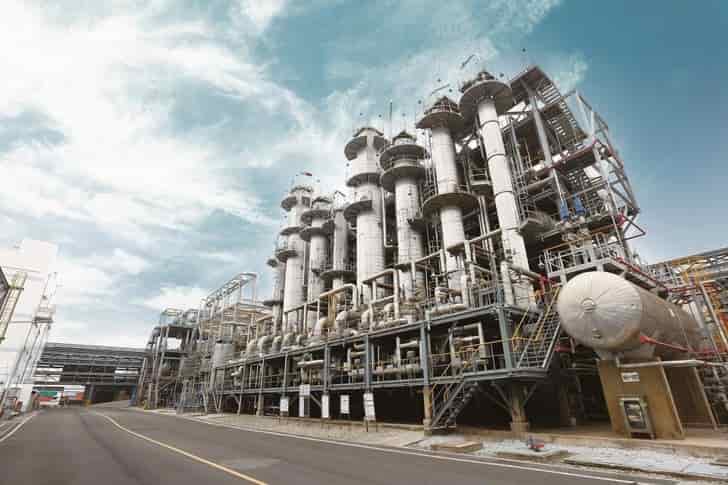
For decades, the global chemical industry pursued expansion through massive integrated complexes and ever-growing production volumes. This strategy delivered efficiency and market dominance during periods of stable demand and cheap energy. Today, those conditions no longer exist. Energy price volatility, persistent overcapacity, tightening environmental regulation, and uncertain downstream demand have undermined the economic logic of scale.
As a result, decluttering has become a common strategic response. Divestment, closure, and portfolio simplification are now viewed as necessary tools for survival rather than signs of weakness. The 2026 chemical industry earthquake reflects this collective reassessment across the sector.
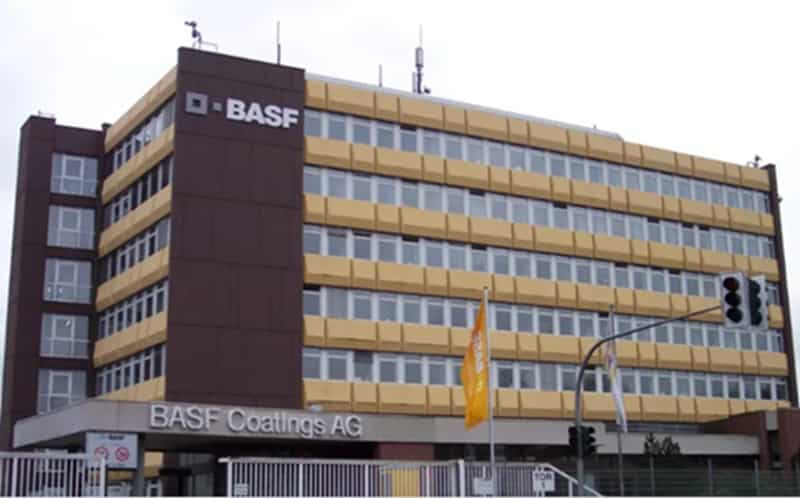
BASF stands at the center of this shift
On January 26, 2026, the group announced a strategic evaluation of its subsidiary trinamiX GmbH, signaling potential sales of selected business areas. Founded in 2015 and based in Ludwigshafen, trinamiX focuses on biometric imaging and near-infrared spectroscopy technologies used in smartphones and healthcare.
Despite its technological sophistication, trinamiX sits outside BASF’s core chemical operations. Its possible divestment highlights the company’s determination to concentrate capital and management attention on activities with stronger industrial synergies.
This move follows an intensive divestment campaign that began well before 2026. Throughout 2025, BASF exited or reduced exposure to several non-core businesses, including energy production, architectural coatings in Brazil, automotive coatings, and food and health functional ingredients. These transactions aligned with the group’s strategic goal of optimizing resource allocation and improving margins.
Within the context of the 2026 chemical industry earthquake, BASF’s actions appear less like individual restructuring and more like part of a synchronized global trend.
Asian chemical leaders are following a similar path. Mitsubishi Chemical and Asahi Kasei jointly decided to shut down an ethylene plant, a decision that carries strong symbolic weight. Ethylene lies at the heart of the petrochemical value chain, and closing such capacity would have been unthinkable during previous growth cycles.
The shutdown reflects structural challenges rather than temporary weakness. Demand uncertainty, high operating costs, and global oversupply have made even foundational assets vulnerable. This reinforces the idea that the scale-driven model has reached its limits.
Other multinational players, including INVISTA, are also reassessing their global footprints. Asset sales and regional withdrawals are increasingly common where long-term profitability cannot be secured.
China, once considered the engine of global chemical growth, is no longer immune. One of the most striking examples of the 2026 chemical industry earthquake is the permanent closure of Teno Group’s titanium dioxide factory in China. Overcapacity, intense price competition, and stricter environmental requirements have eroded the attractiveness of continued operation.
For many global chemical companies, market presence is no longer justified at any cost. Factory closures in China signal a shift toward disciplined capital allocation and risk reduction.
Taken together, these developments point to a clear conclusion. The era of scale as the dominant strategic paradigm in the chemical industry is ending. Size alone no longer ensures resilience, profitability, or strategic flexibility.
The emerging model prioritizes specialty chemicals, application-driven solutions, regional optimization, and operational agility. Companies are redesigning portfolios to reduce exposure to cyclical bulk products while strengthening positions in higher-margin segments.
The 2026 chemical industry earthquake is therefore not a short-term downturn. It represents a structural reset that will redefine competitive dynamics for years to come.
Looking ahead, chemical companies that adapt quickly will be best positioned to succeed. Portfolio simplification, selective investment, and decisive exits will remain central themes throughout 2026 and beyond.
For investors, suppliers, and policymakers, understanding the implications of the 2026 chemical industry earthquake is essential. The future leaders of the global chemical industry will not necessarily be the largest, but the most focused, resilient, and strategically disciplined.
The industry is not disappearing. It is reorganizing. And in doing so, it is closing the chapter on the age of scale while opening a new era defined by precision and strategic clarity.
More…