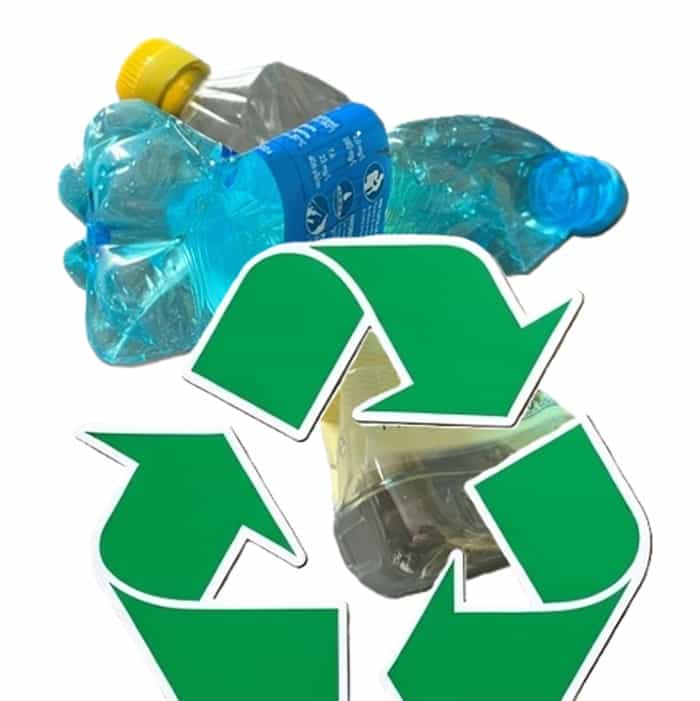
Plastic Recycling Targets – New UK Biomanufacturing Hub to Turn Industrial Waste Into Sustainable Value A pioneering new bioengineering initiative in the UK is set to revolutionize how industrial waste is handled — by transforming carbon-rich waste into eco-friendly materials for industries like pharmaceuticals and cosmetics 21-06-2025 - Archive
Plastic Recycling Targets
Recyclate Market in Flux: Rising Costs, Flat Demand, Pressured Margins
Despite efforts by recyclers to raise prices in June, mounting competition from cheap imports, lower virgin plastic prices, and resistant buyers have placed recyclate margins under renewed strain. While input costs continue to climb, many recycled plastic grades saw prices stall or decline, adding to the pressure on producers.
Demand Remains Weak Across the Board
Market demand for most recycled plastic types remains subdued. An exception is recycled PET (R-PET), which is seeing a seasonal uptick due to increased beverage consumption. Still, the recovery is modest. Plastic Recycling Targets
Public holidays over the past two months disrupted production, but there is no shortage of recyclate. In fact, many recycling plants are operating at reduced capacity to prevent overstocking.
R-PET: Summer Demand Can’t Offset Import Pressure
In May, R-PET prices rose by €20/tonne, fueled by seasonal demand and stable input costs. However, recyclers were unable to implement further price hikes in June due to growing competition from imported material.
- Clear flake and food-grade pellet prices held steady.
- Coloured flakes saw a minor increase of €5–10/tonne.
- Imports kept processors from paying more, even as summer beverage season ramped up.
Recyclers are hopeful that peak summer demand will eventually boost prices.
R-HDPE: Prices Drop Again Amid Weak Demand
Recycled high-density polyethylene (R-HDPE) continues to face heavy price pressure from competitively priced off-spec imports. Plastic Recycling Targets
- May: Coloured blow moulding grades dropped, while black injection moulding prices rose slightly.
- June: Prices fell again by €10/tonne, despite low production volumes.
Demand remains low, and even the construction sector’s mild recovery hasn’t made up for sluggish orders in other industries.
R-LDPE: Gains Stalled by Cheaper Virgin Alternatives
Recycled low-density polyethylene (R-LDPE) posted gains in May, especially for natural film (+€25–30/tonne). However, the momentum did not carry into June.
- Recyclers were forced to roll over prices due to lower virgin LDPE prices and limited demand.
- Production continued at reduced rates, with sufficient inventory to meet all contractual obligations.
R-PP: Declines Continue as Imports Flood the Market
Recycled polypropylene (R-PP) prices have dropped by €30/tonne over two months as imported material and cheaper virgin alternatives continue to undermine domestic supply. Plastic Recycling Targets
- Producers further curbed output to avoid excess inventory.
- The construction sector showed slight improvement, but demand in other sectors remained flat.
R-HIPS: Small Price Rises, Big Cost Pressures
Recycled high-impact polystyrene (R-HIPS) recyclers successfully raised prices again in June—up to €15/tonne—but gains lagged behind rising scrap costs.
- Market balance is still fragile.
- Lower virgin HIPS prices and soft demand capped potential for stronger price increases.
The construction industry offered some stability, with ordering patterns returning to normal levels. Plastic Recycling Targets
Looking Ahead: July Uncertainty Looms
The recyclate market enters July facing significant uncertainty:
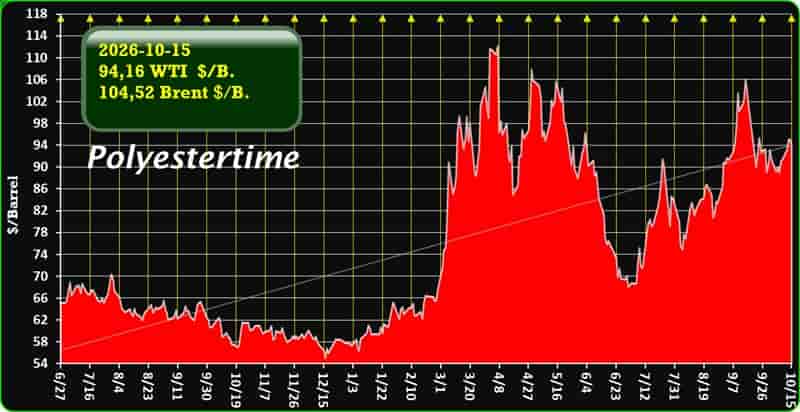
- Rising crude oil prices (spurred by Middle East tensions) could lift virgin plastic prices.
- Summer holidays may curb consumer goods demand but are expected to boost bottle-grade plastic needs due to hot weather.
With margins squeezed and demand sluggish, recyclers are bracing for another challenging month.
New UK Biomanufacturing Hub to Turn Industrial Waste Into Sustainable Value
A pioneering new bioengineering initiative in the UK is set to revolutionize how industrial waste is handled — by transforming carbon-rich waste into eco-friendly materials for industries like pharmaceuticals and cosmetics. Plastic Recycling Targets
Welcome to the Carbon-Loop Sustainable Biomanufacturing Hub
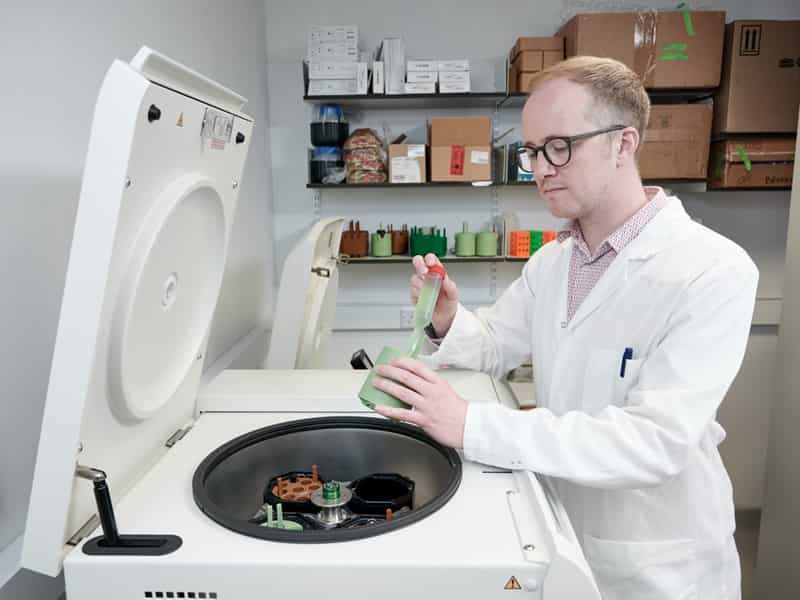
Backed by £14 million in funding from UKRI’s Engineering and Physical Sciences Research Council (EPSRC), the newly launched Carbon-Loop (C-Loop) Hub aims to replace fossil-fuel-based production with sustainable, circular alternatives. By harnessing the power of microorganisms, scientists will convert carbon waste into next-gen chemicals and materials — helping industries defossilize their manufacturing processes.
Led by Professor Stephen Wallace of the University of Edinburgh, the C-Loop Hub will be one of four such hubs in the UK. It will integrate biology, chemistry, and engineering disciplines to develop practical biotechnological solutions that reduce emissions and promote clean growth. Plastic Recycling Targets
Introducing the UK’s First BioFactory
As part of the project, the UK’s first-ever BioFactory will be established — a specialized facility dedicated to analyzing waste, evaluating sustainability metrics, and scaling up bio-based manufacturing methods. The goal? Cut emissions, avoid landfills, and lay the groundwork for a fossil-free industrial future.
Powered by Collaboration
The C-Loop Hub brings together a powerful coalition:
- Academic partners: Universities of Manchester, Nottingham, Surrey, UCL, and Imperial College London.
- Innovation services: Edinburgh Innovations.
- Over 40 industry stakeholders from seven sectors, national centers like IBioIC, and genomic research facilities. Plastic Recycling Targets
This multidisciplinary approach is designed to unlock innovation across the full manufacturing value chain — from lab to market.
Made in the UK, for the UK
With the University of Edinburgh housing the UK’s largest engineering biology research group and collaborations with over 200 companies, the C-Loop Hub is also a strategic investment in national talent and economic growth.
“There’s now an urgent environmental, industrial, and political imperative to harness engineering biology to defossilize manufacturing,” says Professor Wallace. “C-Loop unites expertise across sectors to unlock its full climate and economic potential.” Plastic Recycling Targets
♻️ Circular Tech Is on the Rise
This initiative mirrors a broader European shift. Recent examples include:
- Finland’s carbon reuse project, which converts emissions from incineration and forestry into plastics like polypropylene and polyethylene.
- The ViSS project, which turns microbial cells into biodegradable plastics for packaging.
- Mondi’s German innovation hub, integrating R&D and customer engagement to fast-track eco-friendly packaging. Plastic Recycling Targets
A Green Future Within Reach
Dr Jen Vanderhoven, COO of BBIA and chair of the C-Loop Board, summed up the vision:
“There’s no time to waste in getting to no waste. This project tackles climate issues while opening doors to sustainable economic opportunity.”
With the combined efforts of academia, industry, and government, C-Loop could redefine the future of sustainable manufacturing — one carbon molecule at a time.
Danone Canada Invests $9 Million in Greener Yogurt Cups
Danone Canada is taking a bold step toward sustainable packaging by investing $9 million into its Boucherville plant to produce individual yogurt cups made from PET (polyethylene terephthalate)—a plastic type that is fully recyclable and widely accepted in municipal recycling programs.
Backed by the strength of its Oikos brand, Canada’s top-selling high-protein Greek yogurt, this investment reinforces Danone’s mission to lead the dairy sector in sustainability and packaging innovation. With the integration of recycled PET (rPET) targeted to reach 30% of total content, Danone is aiming to close the loop on plastic use and contribute meaningfully to the circular economy. Plastic Recycling Targets
Government-Backed Sustainability Push
This ambitious project isn’t happening in isolation. It’s supported by the Gouvernement du Québec, which is contributing significantly through two key institutions:
- Investissement Québec is providing a $3 million loan to help advance the plant’s transformation.
- RECYC-QUÉBEC is adding a $400,000 grant, underlining its commitment to more sustainable materials and waste reduction.
These contributions are a clear reflection of Québec’s dedication to reducing plastic pollution and fostering next-generation packaging solutions. The initiative aligns with broader provincial efforts to create a greener, more circular economy, where waste is minimized and materials are reused at scale.
A Milestone for Innovation and the Local Economy
The transformation of the Boucherville facility doesn’t just mark an environmental win—it also signals a strategic boost for local innovation and manufacturing. By equipping the plant to handle PET production, Danone Canada is cementing its role as an industry leader in Quebec’s thriving agri-food sector. Plastic Recycling Targets
According to Frédéric Guichard, President of Danone Canada, this launch represents “a significant milestone” in the company’s broader environmental ambitions. “Our new Oikos PET yogurt cups,” he explains, “showcase how our top brand can lead the way in reducing packaging’s environmental impact. We hope to inspire others in the food industry to do the same.”
PET and rPET: What Makes It Better?
PET is prized for its strength, transparency, and recyclability, making it a logical next step for sustainable food packaging. By incorporating rPET, Danone aims to drastically lower the carbon footprint of its yogurt packaging without compromising on quality or safety.
The choice of PET also makes the yogurt cups more compatible with existing recycling infrastructures across Canada, which is a crucial factor in making true circularity achievable. Plastic Recycling Targets
Circular Economy in Action
Emmanuelle Géhin, President and CEO of RECYC-QUÉBEC, highlighted the broader implications of the initiative:
“This project naturally aligns with our mission to accelerate the transition to a circular economy. It directly addresses problematic packaging and supports the kind of eco-design that is essential for our collective future.”
Indeed, eco-design—where products are built with their end-of-life in mind—is one of the most impactful strategies for reducing environmental damage. And by putting theory into practice, Danone is proving that scalable change is possible in the consumer goods sector. Plastic Recycling Targets
Already in Stores Nationwide
Canadian consumers don’t have to wait to experience this shift. The new Oikos PET yogurt cups are already being rolled out at major retailers across the country, offering a more sustainable choice without sacrificing taste, convenience, or brand trust.
This early deployment not only gives Danone a head start in sustainable packaging but also helps raise awareness among consumers about the importance of choosing recyclable products.
The Bottom Line
Danone Canada’s investment is much more than a factory upgrade—it’s a model for how private companies, public institutions, and eco-conscious consumers can come together to drive real change. By innovating locally, collaborating with government partners, and prioritizing circular design, Danone is setting a new standard for sustainability in the food industry.
As the battle against plastic pollution intensifies, initiatives like this will play a critical role in shaping a healthier planet and smarter consumption habits. Plastic Recycling Targets

EU Council Sets Roadmap for Recycled Plastics in Vehicles
On June 17, the Council of the European Union officially adopted its stance on the proposed End-of-Life Vehicles (ELV) Regulation. While the new position strengthens the scope of the regulation, it offers a more cautious timeline for implementing recycled plastic targets—drawing mixed reactions from key industry players. Plastic Recycling Targets
? Expanding the Scope: Beyond Cars and Vans
One of the most significant updates from the Council is the expansion of the regulation’s scope. Initially focused solely on cars and vans, the revised text now includes heavy-duty vehicles, motorcycles, three-wheelers, and quadricycles. This broader inclusion marks a pivotal shift, aiming for a more comprehensive approach to end-of-life vehicle management across the EU.
Recycled Content Targets: A Phased Approach
On the plastics front, the Council has opted for a three-stage approach to achieving recycled content in new vehicles:
- 15% within 6 years
- 20% within 8 years
- 25% within 10 years
This is a slower trajectory compared to the original European Commission proposal, which suggested reaching the 25% threshold within six years. The more gradual timeline is intended to give the automotive and recycling sectors time to adapt, but it has sparked debate about whether this delay hinders progress toward a circular economy.
PlasticsEurope: “Encouraging, but Not Fast Enough”
PlasticsEurope, the association representing Europe’s plastics manufacturers, welcomed the Council’s acknowledgment of recycled content targets but expressed disappointment over the extended deadlines. Plastic Recycling Targets
“Today’s developments are promising, but there is still clear room for improvement,”
says Katharina Schlegel, Circularity Director at PlasticsEurope.
The association supports the 25% target but wants it enforced within 72 months (6 years), not 120. They also advocate for including bio-based plastics explicitly in Article 55 of the regulation, emphasizing their growing importance in sustainable innovation. Schlegel criticized the current 95-month delay for integrating bio-based materials as excessive and called on policymakers to accelerate their inclusion.
EuRIC: Lowering Targets Is a Step Backward
The European Recycling Industries’ Confederation (EuRIC) took a stronger stance, warning that reducing the recycled content requirement from 25% to 15% in the early years represents a step in the wrong direction. Plastic Recycling Targets
“80% of plastics from end-of-life vehicles still end up in landfill or incineration,”
claims EuRIC. “This won’t change without ambitious, binding targets.”
EuRIC argues that maintaining the 25% post-consumer recycled content, including a 25% closed-loop share, would send a strong signal to investors and help scale circular plastic value chains. The association did, however, welcome new provisions such as:
- A mirror clause for imported vehicles, ensuring non-EU producers meet equivalent standards.
- A requirement for third-party audits of recycling plants, both within and outside the EU.What’s Next? EU Parliament’s Turn
With the Council’s position now on record, the next phase involves negotiations with the European Parliament, which has yet to finalize its stance. Once both institutions align, the regulation will move closer to becoming law. Plastic Recycling Targets
The final version of the ELV Regulation is expected to play a crucial role in shaping how Europe handles the life cycle of its vehicles—from production and use to recycling and recovery. At the heart of the debate lies a simple but urgent question: How quickly can the EU make the circular economy a reality in the automotive sector?
Conclusion:
While the Council’s position marks a solid step forward, especially in terms of regulatory scope, the pushback from industry stakeholders highlights the importance of speed and ambition. With environmental challenges mounting, the clock is ticking on turning vision into action. Plastic Recycling Targets
Polyamide Prices Steady in China and Germany Amid Weak Demand
Polyamide prices held firm across China and Germany in early June 2025, with soft demand and balanced supply keeping the market stable.
In China, production remained low, with PA66 plants operating at just 54% capacity. Falling feedstock costs and the Dragon Boat Festival further slowed market activity. While EV retail sales rose, industrial demand for Polyamide stayed subdued.
Germany saw similar trends. Domestic plants maintained normal output, but cheap imports from Asia added pressure. A 1.4% drop in new car registrations and growing pessimism among chemical producers dampened sentiment further. Plastic Recycling Targets
Logistics issues like port congestion appeared but had minimal effect due to high inventories and muted demand. Buyers in both countries limited purchases to essentials, holding back amid economic uncertainty.
Unless automotive and industrial sectors recover, Polyamide prices are likely to stay flat. With supply potentially increasing in China and sluggish consumption in Germany, a significant price rebound seems unlikely in the near term.
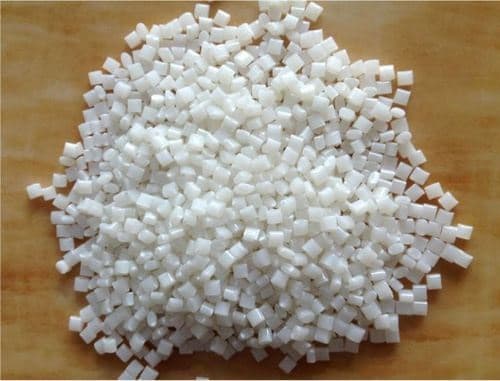
Can Europe Meet Its Plastic Recycling Targets in Time?
A new report on Europe’s HDPE and PP rigid plastics market reveals a harsh truth: unless urgent actions are taken, the continent is likely to miss its recycling goals under the upcoming Packaging and Packaging Waste Regulation (PPWR). Plastic Recycling Targets
Stalled Progress in Recycling Capacity
Despite being widely used in packaging, rigid HDPE (high-density polyethylene) and PP (polypropylene) plastics are still falling short in recyclability. In 2023, 13.3 million tonnes of these materials were placed on the European market, but only half were collected for recycling. And even more concerning—collection rates have barely improved since 2018, despite widespread separate collection systems.
Why Recyclability Is More Than Just Collection
True recyclability depends on multiple factors: smart product design, efficient collection, advanced sorting, and effective recycling technologies. Yet many packaging products suffer from poor design choices like in-mould labels or multi-material construction, which make them harder to recycle. Contamination, poor sorting, and processing inefficiencies further reduce recycling success rates.
The Numbers Tell a Worrying Story
In 2023, just 2.7 million tonnes of HDPE and PP rigids were sorted for recycling. Of these, only 43% of HDPE and 40% of PP were actually processed. Plastic Recycling Targets
Final recycled output stood at around 1 million tonnes each for HDPE and PP—representing yields below 75%. The actual recycling rates? Just 32% for HDPE and 30% for PP, well below the 55% target for 2030.
The Pressure from Energy and Imports
Recyclers are also grappling with high energy costs, which now represent up to 20% of operational expenses. On top of that, demand for recycled material is waning—especially from construction and automotive sectors—while cheap imports of virgin polymers undercut domestic recyclers.
Chemial vs. Mechanical Recycling: A Balanced Future?
While chemical recycling is gaining traction, experts warn it should complement—not replace—mechanical processes. Only a few countries, such as Sweden and Belgium, have invested in advanced sorting centres. Meanwhile, closed-loop recycling for food-grade use remains limited due to inconsistent material quality and traceability issues.
What’s Needed Now
To meet PPWR targets, Europe must increase HDPE and PP recycling capacity by 2 million tonnes by 2030, and 5.7 million tonnes by 2040. This will require:
- Stronger design-for-recycling guidelines Plastic Recycling Targets
- Expanded deposit return schemes (DRS)
- Investment in advanced sorting technology
- Fair oversight of imported plastic waste
The Clock Is Ticking
Without fast, unified action across the value chain, Europe risks missing its plastics circularity goals. The time to invest in scalable, quality-driven recycling infrastructure is now—before the tide turns for the worse.