Thermoplastics – HELUES Project: Arkema and Hexcel Unveil Thermoplastics Breakthrough at Paris Air Show At the heart of the 2025 Paris Air Show, the HELUES project emerged as a shining example of innovation in aerospace manufacturing 20-06-2025 - Archive
Thermoplastics
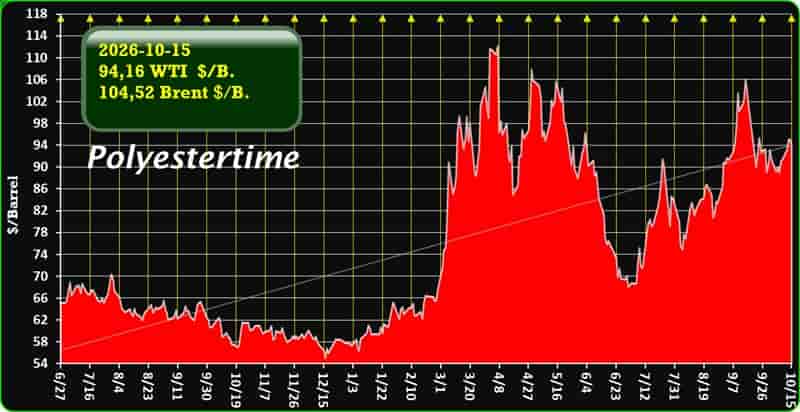
Crude Oil Prices Trend

✈️ HELUES Project: Arkema and Hexcel Unveil Thermoplastics Breakthrough at Paris Air Show
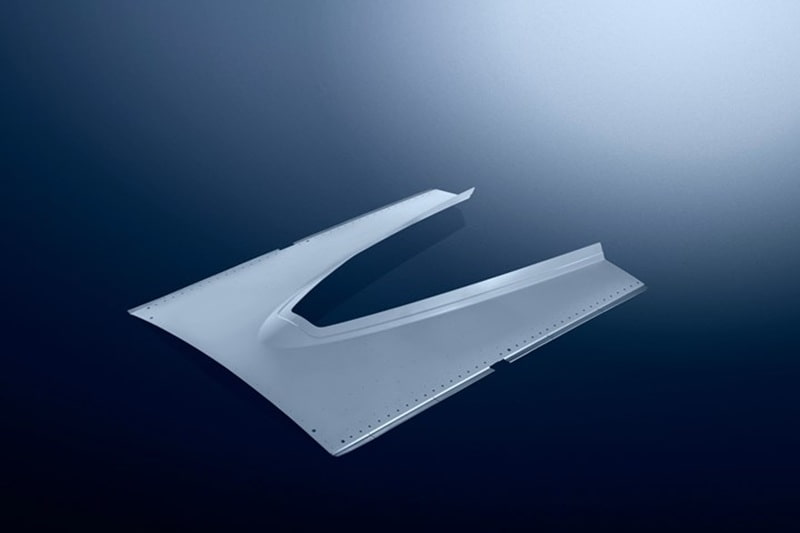
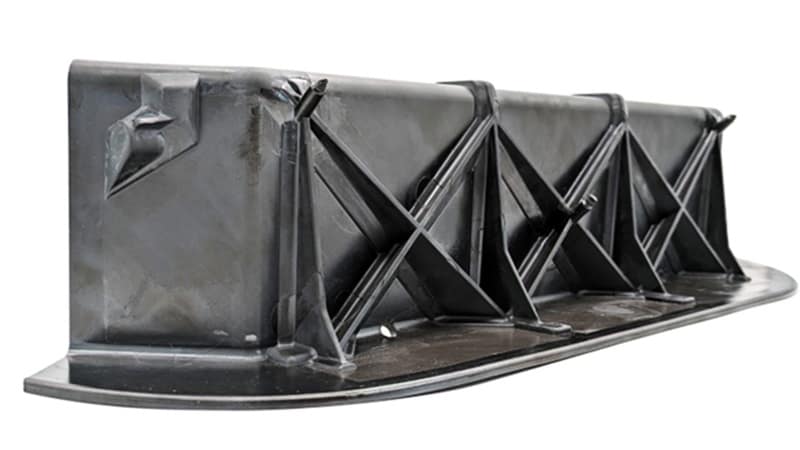
At the heart of the 2025 Paris Air Show, the HELUES project emerged as a shining example of innovation in aerospace manufacturing. Developed by a consortium of high-profile partners including Arkema and Hexcel, HELUES introduces a cutting-edge demonstrator: a complex structural component designed for the overwing emergency exit door of commercial aircraft.
This next-generation component isn’t just another prototype—it’s a milestone in how thermoplastics are reshaping the future of high-rate aerospace production.
? A Strategic Alliance: Arkema + Hexcel
The roots of this innovation trace back to 2018, when Hexcel, a global leader in carbon fiber technologies, and Arkema, known for its PEKK-based polymer solutions, formed a strategic alliance. Thermoplastics
Their goal: create high-performance thermoplastic composite solutions for the aerospace industry.
At the Air Show, the two companies showcased their collaborative achievements—highlighted by a revolutionary PEKK/carbon fiber thermoplastic component that blends strength, formability, and rapid manufacturability.
What Makes HELUES Stand Out?
The HELUES component represents a fully integrated structure, replacing traditional, multi-piece assemblies with a single, streamlined part. Developed through a novel one-step forming and injection overmolding process, it uses:
- HexPly® UD carbon fiber tapes
- Kepstan® PEKK molding compounds Thermoplastics
Together, these materials enable the entire part—including ribs and reinforcements—to be formed in under two minutes.
This rapid-cycle process is a game changer, combining structural complexity and aerospace-grade performance with unprecedented production speed.
Why Thermoplastics Matter in Aerospace
As the aerospace industry accelerates toward high-volume production—especially for single-aisle jets—OEMs are seeking materials that offer performance, scalability, and sustainability. Thermoplastics, like those used in HELUES, deliver on all fronts:
1. Rapid Cycle Times
What once took hours can now be completed in minutes, helping manufacturers meet production targets of 80–100 aircraft per month. Thermoplastics
2. Design Flexibility
Thermoplastics allow reshaping and welding rather than mechanical fastening, enabling lighter, more versatile parts.
3. Sustainability & Recyclability
Unlike thermosets, thermoplastics can be reprocessed and reused, aligning with sustainability goals and reducing material waste.
From Prototype to Scalable Production
The HELUES demonstrator isn’t just a lab success—it’s a viable alternative to traditional assembly. It reduces component count and manual steps by up to 90%, significantly streamlining the supply chain and simplifying quality control.
Initial tests have shown exceptional bonding between molded ribs and thermoformed laminates, meeting rigorous aerospace standards. Thermoplastics
Paving the Way for Smarter Aircraft Assembly
As aviation evolves, automation and sustainability will define the next chapter. The HELUES approach eliminates reliance on energy-intensive autoclaves and opens the door to robotic production methods.
This not only cuts costs and environmental impact, but also future-proofs manufacturing lines for the next generation of aircraft.
Collaboration & Support
The HELUES project was made possible through a multi-actor partnership, bringing together:
- Airbus Helicopters Deutschland GmbH
- Neue Materialien Bayreuth GmbH
- Christian Karl Siebenwurst GmbH & Co. KG
- INCOE Corporation Thermoplastics
Supported by the German Aerospace Centre and the Bavarian State Ministry of Economic Affairs, the project reflects a broader European commitment to leadership in composite technologies.
A Thermoplastic Future for Aerospace
The HELUES initiative showcases the transformative potential of high-temperature thermoplastics in aerospace.
With their combined expertise, Arkema and Hexcel are pushing the boundaries of what’s possible, turning complex structures into single-shot solutions—and paving the way for faster, lighter, and greener aircraft. Thermoplastics
In a world demanding greater sustainability and production agility, HELUES is more than a project. It’s a vision of the aerospace industry’s future, taking flight today.
Mango Teams Up with Circulose to Champion Circular Fashion
A New Chapter in Sustainable Style
Spanish fast-fashion giant Mango has taken a bold step toward a more sustainable future by partnering with Circulose, the Swedish company known for its next-gen circular material. This collaboration marks the first of its kind since Circulose’s relaunch and signals a key milestone in Mango’s ongoing commitment to sustainable innovation.
The move reinforces Mango’s broader strategy to embrace circular production models—an approach designed to reduce environmental impact while reimagining how fashion is made and remade. Thermoplastics
What is Circulose, and Why Does It Matter?
Circulose is a regenerated textile pulp made from recycled, cotton-rich fabric waste. Through a sophisticated chemical recycling process, discarded garments are transformed into a high-quality pulp that can replace virgin materials like wood or new cotton. This “dissolving pulp” can be used to manufacture sustainable fibers such as viscose, lyocell, modal, and acetate, which are then spun into yarn, woven into fabric, and ultimately turned into brand-new clothing.
The result? A material that maintains the same aesthetic and performance characteristics as conventional fibers—but with a dramatically lower environmental footprint.
A Transparent, Traceable Supply Chain
Mango’s integration of Circulose-based fibers into its collections comes with a strong emphasis on traceability and transparency.
Each garment made with Circulose will be part of a clear and verifiable supply chain, ensuring accountability at every stage. Thermoplastics
“This collaboration marks a step on our sustainability roadmap as we strive to exclusively use fibers with lower environmental impact by 2030,” said Andrés Fernández, Mango’s Sustainability and Sourcing Director. “It reflects our commitment to a more circular and responsible fashion ecosystem.”
Scaling Circularity with Purpose
For Circulose, this partnership aligns perfectly with its renewed strategy to expand services and deliver full-circle solutions to fashion brands ready to make real change.
“We’re proud to welcome Mango as a Circularity Scaling Partner,” said Jonatan Janmark, CEO of Circulose. “Their bold ambitions inspire us. We look forward to integrating Circulose at scale within Mango’s supply chain.”
This is not just a one-off pilot. The collaboration is designed for scalability, ensuring that circular materials become an integral part of Mango’s mainstream production—not just a niche offering. Thermoplastics
Sustainability Goals for 2030
Mango’s alliance with Circulose is part of a broader, future-focused roadmap. By 2030, the brand aims to:
- Shift to low-impact materials
- Drive innovation in circular textile production
- Decarbonize its supply chains
- Enhance worker wellbeing across the value chain
Circularity is a recurring theme throughout these goals. From using reusable design patterns to extending product lifecycles through durable construction, Mango is positioning itself at the forefront of responsible fashion.
Recent Steps Toward a Greener Future
This isn’t Mango’s first foray into sustainability. In 2024, the brand introduced regenerative cotton via a partnership with Materra.
By the end of that year, nearly 30% of Mango’s collections adhered to circular design principles. Thermoplastics
Additionally, Mango co-founded the Association for Textile and Footwear Waste Management, a major step toward national-level recycling practices in Spain. Under the initiative “Re-Viste,” Mango began testing municipal-scale textile recycling systems in six locations across the country—offering consumers the tools to give old garments a second life.
Leading by Example
This latest collaboration with Circulose shows that Mango isn’t just reacting to sustainability trends—it’s actively shaping the future of fashion. Through bold partnerships, transparency, and measurable goals, the brand is proving that style and sustainability don’t have to be at odds.
For web readers seeking the intersection of innovation and eco-conscious fashion, Mango’s journey is one to watch—and one worth drawing inspiration from. Thermoplastics

♻️ Repolywise Partners with Acer Synergy Tech and Others to Launch Revolutionary Plastics Recycling Plant in Taiwan
In a major stride towards tackling global plastic pollution, Oxford-based Repolywise Limited has announced a landmark partnership with Acer Synergy Tech Corp., Big South Resources Regeneration Co., and Fu-Tai Engineering Co.. The collaboration is formalized through a newly signed Memorandum of Understanding (MoU) to build a state-of-the-art plastics recycling demonstration plant in Taiwan. Thermoplastics
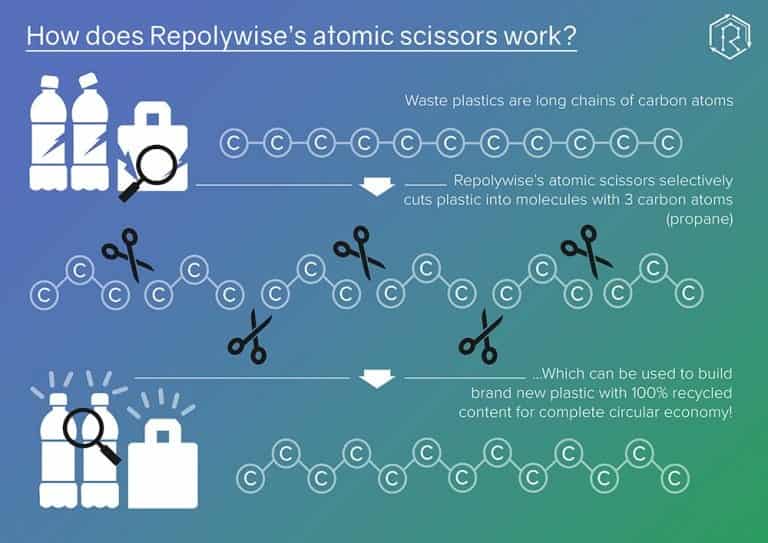
This forward-looking facility aims to process 1 tonne of plastic waste daily using Repolywise’s cutting-edge “Atomic Scissors” technology—a transformative chemical recycling method developed from research at the University of Oxford.
Showcasing “Atomic Scissors” Technology
At the heart of this initiative is Repolywise’s proprietary hydrocracking process, nicknamed “Atomic Scissors.” Unlike traditional recycling methods, this innovative system selectively breaks down plastic polymers, especially targeting the hard-to-recycle waste that makes up a significant portion of global plastic production.
The result? Virgin-grade polypropylene, ready for reuse in new products—paving the way for a closed-loop circular economy in the plastics sector.
The demonstration plant will serve as a proof of concept, validating the process at a commercial scale. Early tests using end-of-life Acer devices have already begun, with additional plastic samples from Acer Synergy Tech Corp. to be analyzed at Repolywise’s R&D base in Oxford University’s Begbroke Science Park. Thermoplastics
A Collaboration Built on Complementary Strengths
Each MoU signatory brings unique capabilities to this pioneering project:
- Acer Synergy Tech Corp. contributes recycled notebooks and system integration expertise to extend the lifecycle of electronic devices.
- Big South Resources Regeneration Co. handles dismantling, sorting, and grading of plastic waste to maximize usable material recovery.
- Fu-Tai Engineering Co. provides engineering design and reactor manufacturing essential to the hydrocracking system.
- Repolywise Limited leads the technology integration, ensuring Atomic Scissors is fine-tuned for large-scale deployment.
A Scalable Answer to the Global Plastics Crisis
The scale of the problem is staggering: 460 billion kilograms of plastics are produced each year, with a recycling rate of just 10%. Repolywise’s technology offers a viable pathway to change that statistic, converting low-value plastic waste into high-value material.
Construction of the Taiwan demonstration plant is expected to begin in 2026, following the completion of the design phase in 2025. Thermoplastics
Dr. Bryan Ng, Founder and CEO of Repolywise, emphasized the potential impact:
“Atomic Scissors represents a breakthrough in chemical recycling. This project will prove that we can not only reduce plastic waste but also turn it into a valuable resource.”
Partner Endorsements
KS Harn, General Manager of Acer Synergy Tech Corp., stated:
“We’re proud to promote circular practices by partnering on this project. Our role in system integration aligns with our mission to reduce the environmental impact of electronic products.”
Yi-chie Chen, Vice Chairman of Ming-Fu Group (Big South Resources’ parent company), shared:
“This collaboration lets us apply our decades of expertise in waste sorting to a solution that’s both scalable and sustainable.”
Stark Wu, Chairman of Fu-Tai Engineering, commented:
“We’re honored to support a recycling solution with the potential to reshape our industry. Our engineering team is excited to bring precision to this cutting-edge technology.”
Elaine Walder, Director of Operations at Begbroke Science Park, added:
“We’re thrilled to host Repolywise in our innovation community. Their work is critical in the fight against plastic pollution.” Thermoplastics
About Repolywise
Repolywise Limited is a UK-based startup developing innovative solutions for the global plastic waste challenge. Founded by Oxford University graduates, the company blends academic research with practical engineering to redefine how plastics are recycled. Its flagship Atomic Scissors technology stands at the forefront of next-generation chemical recycling, turning today’s waste into tomorrow’s resource.
PureCycle Secures $300M to Expand Global Recycling Capacity to 1 Billion Pounds by 2030
PureCycle Technologies, Inc., a U.S.-based leader in advanced plastic recycling, has taken a major step forward in its global growth strategy. The company has successfully raised $300 million in capital and unveiled a bold plan to scale its recycling capacity to one billion pounds annually by 2030. This expansion spans the United States, Europe, and Asia, aligning with PureCycle’s mission to revolutionize the way polypropylene (PP) is recycled worldwide. Thermoplastics
Strategic Investment to Fuel Global Growth
The recent funding round was made possible through a series of binding agreements with both new and returning investors. Major participants include:
- Duquesne Family Office LLC
- Wasserstein Debt Opportunities
- Samlyn Capital
- Pleiad Investment Advisors
- Sylebra Capital Management
“This capital raise marks a pivotal moment for PureCycle,” said CEO Dustin Olson. “With our Ironton Facility reaching key production milestones and increasing market confidence in our commercialization plans, we are positioned to accelerate global expansion.”
Olson praised the caliber of the investor group, noting their support underscores growing confidence in PureCycle’s technology and strategy.
Expansion into Southeast Asia with IRPC Partnership
A key component of this growth plan is a newly announced partnership with IRPC Public Company Limited, one of Southeast Asia’s leading petrochemical companies. The collaboration will see PureCycle establish a 130-million-pound PP recycling line in Rayong, Thailand, leveraging IRPC’s robust infrastructure. Thermoplastics
IRPC’s eco-industrial site provides significant advantages, including:
- Integrated petrochemical and petroleum operations
- Access to utilities, a deep-sea port, and power plants
- Streamlined logistics and reduced construction costs
Construction of the Thai facility is slated to begin in late 2025, with operations expected to commence by mid-2027.
Europe and U.S. Projects Gain Momentum
PureCycle also confirmed progress on its European expansion. A parallel 130-million-pound facility will be built in Antwerp, Belgium, another region offering rich feedstock availability and strong infrastructure synergies. Permitting is underway, and operations are anticipated by 2028.
Meanwhile, in the U.S., the company is focusing on scaling its Augusta, Georgia site. Learnings from Ironton are being incorporated into the design of a next-generation (Gen 2) line, which is expected to exceed 300 million pounds per year of recycling capacity. This larger facility will include:
- Pre-processing (PreP) systems
- Integrated compounding assets
- A design announcement in early 2026, following final engineering
The Augusta PreP unit is projected to come online in mid-2026, followed by the purification line in 2029. Thermoplastics
A Clear Roadmap to a Billion-Pound Future
With projects in Thailand, Belgium, and Georgia, PureCycle is laying the foundation for a powerful global network of recycling facilities. The plan is driven by a clear goal: to achieve one billion pounds of installed capacity and $600 million in projected annual EBITDA by 2030.
These facilities will support PureCycle’s mission to replace virgin plastics with high-quality recycled PP, helping manufacturers meet sustainability goals and reduce environmental impact.
Convertible Shares and Investor Terms
To finance these expansion efforts, PureCycle is issuing Series B convertible perpetual preferred stock. Key terms include:
- A 30% premium conversion price based on the 10-day VWAP (Volume Weighted Average Price) following June 16, 2025
- 7% annual cumulative dividends, payable in cash or kind at the company’s discretion
This flexible investment structure reflects strong investor confidence while preserving operational agility. Thermoplastics
Conclusion: A Greener, Scalable Future for Recycling
PureCycle’s recent moves demonstrate a confident stride toward scaling its revolutionary PP recycling technology. With strong investor backing, key partnerships, and a clear roadmap across three continents, the company is poised to become a global leader in sustainable plastics recycling.
As global demand for recycled materials surges, PureCycle’s innovation and strategic vision are paving the way for a cleaner, circular future.

Biesterfeld SE Restructures Polymers Division to Drive Global Growth
Biesterfeld SE, a leading global distributor of plastics, rubbers, and specialty chemicals, has announced a major strategic transformation of its polymers division. This bold move reflects the company’s ambition to strengthen its international presence and offer even more targeted solutions across industries. Thermoplastics
A New Structure: Three Distinct Polymer Units
As part of the overhaul, Biesterfeld has redefined its polymers division into three focused business units:
- Standard Polymers – Covering essential materials such as PE and PP, this unit will serve industries needing reliable, high-volume supply.
- Engineered Polymers – Designed for more complex applications, this unit focuses on advanced materials with enhanced mechanical or thermal properties.
- Performance Polymers – Targeting high-demand applications, these polymers offer specialized performance features across industries.
This segmentation allows each unit to cater more precisely to specific customer needs and industry demands.
Medical Polymers Now Integrated into HealthCare
Due to the complex regulatory environment surrounding medical-grade materials, Biesterfeld has integrated its Medical Polymers segment into its HealthCare business unit. This strategic decision enables the company to better align regulatory compliance, safety standards, and customer expectations in the medical and pharmaceutical sectors. Thermoplastics
Global Segmentation for Industry Expertise
Biesterfeld’s restructuring isn’t limited to internal units. The company is introducing six global market segments to bring industry-specific insight and customer-centric services:
- Mobility
- Electrical & Electronics
- Industrial & Consumer
- Fluid Management
- Aero & Defense
- Medical Polymers
Each segment will benefit from dedicated technical experts and development teams who understand the nuances of their sector. This vertical focus ensures Biesterfeld can deliver tailor-made polymer solutions for complex, fast-evolving markets.
A New Sales Model: Local Touch, Global Reach
To complement the organizational changes, Biesterfeld has revamped its global sales structure. The new model blends local account managers with specialized technical and business development experts, ensuring responsiveness and deep technical support no matter where clients are based.
This hybrid model reinforces Biesterfeld’s customer-first approach, making it easier to deliver technical consulting, product development guidance, and agile service to clients worldwide. Thermoplastics
Focus on Sustainability and Compliance
In line with shifting industry priorities and tightening regulations, especially in Europe, sustainability and regulatory compliance are at the heart of Biesterfeld’s strategy. The company is committed to supporting its customers in meeting ESG goals and adhering to evolving legal standards. Its polymers division will play a key role in enabling more circular, responsible materials sourcing and use.
A Global Family Business with Strong Performance
Biesterfeld SE is one of the world’s most established family-owned distributors in the chemical and polymer space. Operating in over 50 countries, the company combines the flexibility of a family business with the scale and professionalism of a global player.
In 2023, Biesterfeld reported €1.38 billion in revenue, underscoring its strong market presence and the success of its long-term business strategy. Thermoplastics
What This Means for Biesterfeld’s Customers
This transformation marks a clear shift toward agility, specialization, and customer proximity. Clients can expect:
- Faster, more informed support
- Access to sector-specific experts
- Better alignment with regulatory and sustainability goals
- Enhanced service through localized relationships backed by global knowledge
Whether serving automotive OEMs, medical device manufacturers, or industrial processors, Biesterfeld’s new polymer structure is built to meet the challenges of a dynamic global market.
Final Thoughts
Biesterfeld SE’s restructuring of its polymers division is more than an internal shift—it’s a strategic leap toward a more integrated, expert-driven, and globally agile future. With a clear focus on customer value, industry alignment, and sustainability, the company is setting a new benchmark for polymer distribution in the modern era. Thermoplastics
Toray, Daher & Tarmac Aerosave Launch Aircraft Recycling Program for a Greener Sky
A new collaboration is taking flight to transform how the aerospace industry handles end-of-life aircraft components. Toray Advanced Composites, Daher, and Tarmac Aerosave have joined forces — with support from Airbus — to pioneer a cutting-edge End-of-Life Aerospace Recycling Program. Their goal: to repurpose composite parts from retired Airbus A380 aircraft and give them a second life in new aeronautical applications.
Reinventing Aircraft Recycling with Thermoplastic Composites (TPC)
At the heart of this innovative program lies the recovery and reuse of secondary structural components made from continuous fiber-reinforced thermoplastic composites (TPC).
These lightweight, durable materials are increasingly used in modern aircraft construction — and now, they’re at the center of a new sustainability push.
The team’s pilot project focuses on the Airbus A380’s pylon covers, which use Toray’s Cetex TC1100 (carbon fiber/PPS) TPC structure. These parts are an ideal testbed for developing new recycling and repurposing methods, with the A380 featuring over 10,000 such components made from continuous fiber-reinforced TPC. Thermoplastics
Driving Toward Net-Zero with a Closed-Loop Model
This collaboration isn’t just about recycling — it’s about rethinking the lifecycle of advanced materials. The ultimate vision is to create a closed-loop recycling system that:
- Extends the life of composite parts,
- Reduces waste from retired aircraft,
- Enables remanufacturing of TPC components, and
- Helps achieve the aviation sector’s net-zero emissions goals.
By turning EOL (End-of-Life) parts into new, high-quality aeronautical structures, the program could transform environmental practices across the aerospace industry.
Expertise from Across the Supply Chain
Each partner brings specialized knowledge to the table:
- Toray oversees material quality control, ensuring that repurposed composites maintain performance in second-life applications.
- Daher leads the reshaping and requalification of the recovered parts under serial production standards.
- Tarmac Aerosave manages the safe and precise dismantling of aircraft parts, ensuring material integrity is preserved for reuse. Thermoplastics
- Airbus supports the development of frameworks and standards for advanced reuse strategies.
This comprehensive expertise ensures that every phase — from removal to reintegration — follows strict aerospace-grade protocols.
Voices from the Project
Scott Unger, CEO of Toray Advanced Composites
“We want to do more than recycle — we want to reinvent how high-performance materials are reused in aerospace. As aircraft demand rises, it’s critical to improve the recyclability of both thermoplastic and thermoset composites and reduce our environmental impact.”
Julie Vadour, R&D Director at Daher
“For years, Daher has used TPC to build lightweight, production-efficient, and sustainable aircraft parts. Now, we’re advancing recycling processes not just for EOL parts, but also for manufacturing waste, especially at our Nantes facility.”
Alexandre Brun, President of Tarmac Aerosave
“Our recycling rate is already at 92%, and this project enhances our expertise in A380 dismantling. It also supports our eco-design efforts for future aircraft generations.”
A Launchpad for Future Sustainability Thermoplastics
As thermoplastic composites become more prevalent in next-generation aircraft, this initiative marks a crucial step forward. It sets the groundwork for:
- Scalable, high-quality recycling processes,
- Strategic material recovery and reuse,
- A more sustainable aerospace industry.
By converting what was once waste into valuable, certified components, Toray, Daher, Tarmac Aerosave, and Airbus are reshaping the future of aviation — one part at a time.