Circular Chemistry – Driving a Circular and Competitive Chemistry: Insights from Cefic’s Latest Study As part of the European Green Week, Cefic (the European Chemical Industry Council) and the consultancy firm Unity recently unveiled a groundbreaking study in Brussels 19-06-2025 - Archive
Circular Chemistry
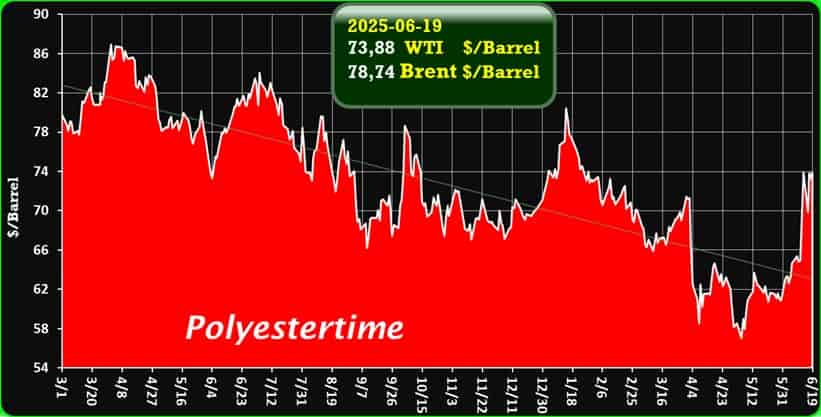
Rumors of U.S. Attack and Hormuz Blockade Send Oil Prices Soaring
Growing speculation of a possible U.S. military strike on Iran, combined with looming threats to close the Strait of Hormuz, have triggered a surge in global oil prices— stoking fresh concern in international markets.
Tensions escalate
Following a wave of Israeli airstrikes targeting Iranian nuclear and military installations in mid‑June, Tehran issued stern warnings. Iranian commanders, including IRGC general Esmail Kosari, confirmed that shutting down the Strait of Hormuz is “under serious consideration” as retaliation Circular Chemistry theguardian.com+14en.wikipedia.org+14washingtonpost.com+14. This narrow maritime strait handles nearly a fifth of the world’s oil consumption, making any disruption a geopolitical tinderbox english.alarabiya.net.
Market reaction
Oil benchmarks, including Brent and WTI, surged about 7%–10% over the past week—Brent nearing five‑month highs—and dipped slightly after cooler investor sentiment barrons.com. Nevertheless, many analysts still bet prices may exceed $100–$120 per barrel if Hormuz is sealed barrons.com+2marketwatch.com+2en.wikipedia.org+2.
Rising logistical costs
Global tanker rates have more than doubled for Gulf-to-Asia routes due to the perceived risk tradewindsnews.com+2ft.com+2english.alarabiya.net+2.
Shipping firms are actively rerouting, avoiding the strait, and insurance premiums are sharply up as traders scramble for safer transit channels Circular Chemistry maritimeducation.com+6ft.com+6investors.com+6.
Policy and economic fallout
Central banks face a dilemma: rising fuel costs could fuel inflation, while geopolitical uncertainty tempers economic optimism . Circular Chemistry
The Federal Reserve and Bank of England are now under growing pressure to delay any rate cuts until the dust settles ft.com.
Corporate caution
Major oil companies are treading carefully. Shell’s CEO, Wael Sawan, mentioned their shipping operations are “being very careful” in the Middle East amid mounting tension reuters.com.
Conclusion
With Washington reportedly weighing military intervention following leaked intelligence and internal debates, even the rumor of a U.S. strike is enough to rattle oil markets.
Any moves to blockade Hormuz would compound global supply shock fears, risking sharp price spikes, forced central bank policy adjustments, and broader economic disruption.
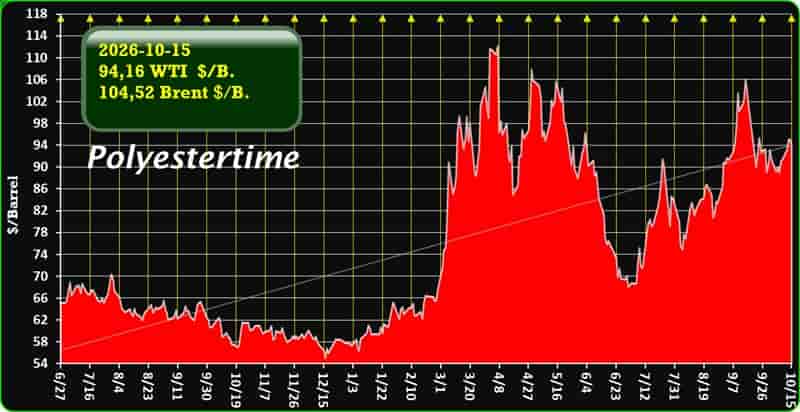
Crude Oil Prices Trend
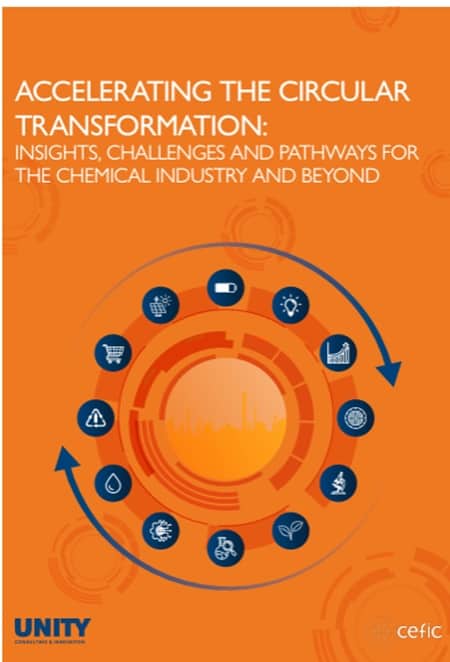
Driving a Circular and Competitive Chemistry: Insights from Cefic’s Latest Study
As part of the European Green Week, Cefic (the European Chemical Industry Council) and the consultancy firm Unity recently unveiled a groundbreaking study in Brussels. The report, titled “Accelerating the Circular Transformation: Insights, Challenges, and Pathways for the Chemical Industry and Beyond,” offers a detailed look at the European chemical industry’s progress towards circularity and the challenges that still lie ahead.
Achievements in Circular Chemistry
The study showcases how European chemical companies have made significant strides in adopting circular practices. One of the key advancements is the increasing investment in innovative technologies such as chemical recycling and the use of renewable materials. These efforts aim to reduce reliance on virgin resources, a step toward more sustainable production processes. Circular Chemistry
Moreover, the industry is focusing on enhancing consumer trust through greater transparency and environmental certifications. By doing so, companies are not only proving their commitment to sustainability but also ensuring that their actions resonate positively with consumers who are increasingly conscious of environmental impacts.
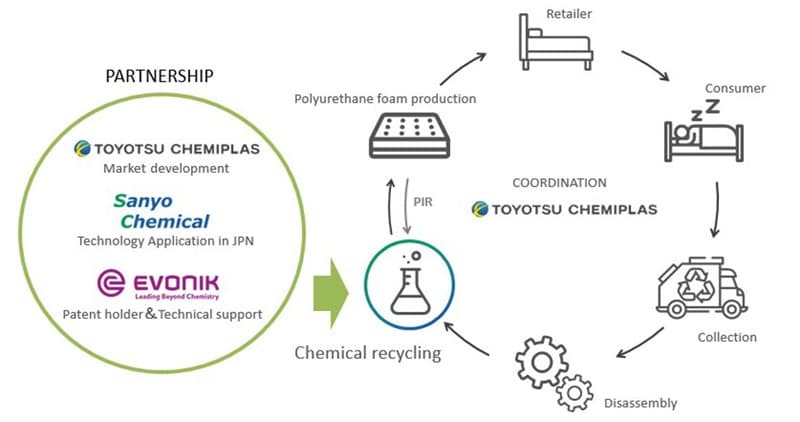
Another vital development highlighted in the study is the growing collaboration across the supply chain. This cooperation fosters synergies between companies, enabling them to optimise resource use and boost overall efficiency. In a world where resource scarcity is a looming concern, such collaborations are vital for a more sustainable and circular economy.
Challenges Hindering Progress
Despite these promising advancements, the study underscores several key challenges that are hindering the full transition to a circular chemical industry. Among the most significant obstacles are the high costs of circular raw materials compared to traditional alternatives. This cost imbalance, combined with limited demand, poses a barrier to scaling circular practices within the sector. Circular Chemistry
Additionally, regulatory uncertainty and underdeveloped infrastructure are also major issues that need to be addressed. The study emphasizes the need for structural changes and coordinated solutions involving both industry leaders and policymakers to overcome these barriers.
Cefic’s Director, Marco Mensink, pointed out the crucial message from the report: “The industry is doing its part, but to accelerate circularity, decisive action is needed from the entire political, business, and social ecosystem.” This call for collective action highlights the need for a unified effort across various sectors to drive change.
A Five-Point Action Plan for Circular Transformation
To overcome these hurdles, the study presents a comprehensive five-point action plan. The recommendations are as follows:
- Establish a Harmonized Regulatory Framework: A unified and clear regulatory framework will provide the certainty needed for businesses to invest confidently in circular solutions. Circular Chemistry
- Mobilize Investments in Circular Technologies and Infrastructure: Targeted investments are necessary to develop the technologies and infrastructure that will enable the scaling of circular practices.
- Promote a Shift in Macroeconomic Mindset: A shift towards more sustainable business models is needed to ensure long-term economic success in a circular economy.
- Encourage Innovation through Multi-Sector Collaboration: Cross-industry partnerships will be key in driving innovation and developing new solutions to circularity challenges.
- Monitor Progress with Clear Indicators: Establishing clear and measurable indicators will allow stakeholders to track progress and ensure the continuous improvement of circular practices. Circular Chemistry
Key Drivers of Circular Chemistry
The study also identifies several key drivers of circular chemistry that will help propel the industry forward. Technological innovation, including digital solutions, is critical for improving efficiency and reducing waste. Additionally, industrial symbiosis—where resources are exchanged between companies in different sectors—emerges as a promising strategy for optimising resource use and minimizing environmental impact.
The increased use of circular raw materials, such as biomass and captured CO2, is also highlighted as an essential component of a circular economy. These materials not only reduce waste but also play a significant role in the fight against climate change by reducing greenhouse gas emissions.
Conclusion
Cefic’s study sheds light on the progress made by the European chemical industry in its transition towards circularity, but it also highlights the challenges that still need to be addressed. Circular Chemistry
The proposed five-point action plan provides a roadmap for overcoming these challenges, emphasizing the need for collaboration, investment, and a clear regulatory framework. By focusing on technological innovation and resource efficiency, the chemical industry can play a pivotal role in the transition to a more sustainable and circular economy. However, this transformation requires the concerted effort of all stakeholders to ensure that the full potential of circular chemistry is realised.
♻️ A Circular and Competitive Chemistry: PET Value Chain Advances High-Quality Recycling
The PET (polyethylene terephthalate) value chain has taken a major leap forward in its journey toward a more circular, competitive, and sustainable future. Through a collaborative effort involving leading European organizations—EuPC, EXPRA, EPRO, NMWE, PETCORE Europe, and UNESDA—a new guidance document has been published to support the setup of third-party quality certification systems for recycled plastics, especially those intended for food contact. Circular Chemistry
This move is a direct response to Article 6 of Regulation (EU) 2022/1616, which mandates strict certification standards for recycled plastic materials that come into contact with food. The goal? Ensuring consumer safety and full traceability across the recycling process.
Clear Guidance for a Complex Regulation
The newly released document serves as a comprehensive and practical tool for waste management operators and sorting facilities. It breaks down the legal language of the regulation and transforms it into clear, actionable steps. These steps guide professionals through best practices in the collection, sorting, and pre-processing of PET destined for food-grade applications.
“This guidance is the result of extensive collaboration among experts in food contact regulation, waste management, recycling, conversion, and packaging,” said Raphael Jaumotte, Technical Manager at PETCORE Europe and coordinator of the project. “We developed it to support businesses in meeting the relevant EU requirements and to safeguard the future of PET recycling.” Circular Chemistry
Why Certification Matters
Certification plays a critical role in ensuring that recycled plastics meet high safety standards. Under the EU regulation, all operators—whether based inside or outside the EU—must prove compliance with food contact safety protocols. This not only protects consumers but also levels the playing field between EU-based and international producers.
The guidance outlines the expectations for non-EU recyclers, who must demonstrate that their quality assurance systems meet the same rigorous benchmarks as those operating within Europe. This ensures consistency, transparency, and fairness across global supply chains.Circular Chemistry
? Reinforcing the Circular Economy
At its core, this initiative is about more than regulatory compliance—it’s a bold statement of commitment to Europe’s circular economy goals. By making certification achievable and understandable, the PET industry is driving forward a system where high-quality recycling becomes the norm, not the exception.
With this step, the PET value chain reinforces its long-standing commitment to environmental responsibility and innovation. It ensures that recycled PET (rPET) not only continues to serve the needs of industry but does so in a way that protects health and fosters trust across the value chain.
What’s Next?
This guidance marks a milestone—but it’s not the end of the journey. Continued collaboration, adaptation, and investment will be essential to meet evolving demands and regulatory updates. PETCORE Europe and its partners will remain at the forefront, advocating for responsible recycling practices and supporting the transformation of the plastics economy. Circular Chemistry
In the meantime, stakeholders across the PET value chain—from local sorting centers to multinational packaging firms—are encouraged to review the guidance document, align their systems, and begin preparations for third-party certification.
Conclusion: Raising the Bar for PET Recycling
This joint initiative sets a new benchmark for PET recycling quality in Europe. It empowers industry players with the tools they need to comply with food safety standards while boosting public confidence in recycled plastics.
With the release of this guidance, the PET community is not only complying with regulation—it is leading by example, paving the way for a more sustainable, competitive, and circular plastic economy in the EU and beyond. Circular Chemistry
♻️ For a Circular and Competitive Chemistry: Werner & Mertz Teams Up with PreZero
Mainz, Germany – June 5
To mark the BDE Circular Economy Day, cleaning product manufacturer Werner & Mertz has announced a major collaboration with PreZero, the environmental services arm of the Schwarz Group. The move marks a significant milestone in the ongoing effort to build a sustainable and circular future for plastic packaging.
A New Strategic Alliance
This partnership brings PreZero on board as a licensing partner within the Recyclate Initiative, launched by Werner & Mertz back in 2012. The initiative focuses on turning used plastic into high-quality new packaging. By joining forces, the companies aim to address a growing concern: the scarcity of raw recycled materials—especially in the high-demand HDPE segment. Circular Chemistry
Together, they plan to ramp up the use of recyclate, ensure a stable supply of raw materials, and accelerate the shift toward a true circular economy in the packaging industry.
“PreZero perfectly embodies our vision of turning old packaging into new ones using household plastic waste,” says Timothy Glaz, Head of Corporate Affairs at Werner & Mertz.
100% Recyclate Bottle: A Model of Circular Success
At the heart of this new partnership is a real-world achievement: a 3-liter detergent bottle made from 100% rHDPE (recycled high-density polyethylene). This bottle is marketed under the Frosch brand in France (known there as Rainett), and is created entirely from plastic collected via Germany’s Yellow Bag household recycling system.
- Here’s how the process works:
- PreZero operates a cutting-edge recycling facility in Grünstadt, Rhineland-Palatinate, where it processes household plastic waste. Circular Chemistry
- This waste is transformed into rHDPE pellets.
- Packaging manufacturer Frielinghaus uses these pellets to produce new detergent bottles.
- Finally, Werner & Mertz fills the bottles with eco-friendly cleaning products at its production site in Mainz.
- This closed-loop model demonstrates that circularity is not just a concept—it’s a reality when the right partners work together.
- Next Steps: Scaling Circular Solutions
- But this is just the beginning. The two companies are already planning future projects aimed at scaling up recyclate production and expanding its use across more product lines. Circular Chemistry
- PreZero’s future goal:
➡️ Deliver larger volumes of high-quality HDPE recyclate
➡️ Enable broader packaging applications
➡️ Provide supply-chain reliability and planning confidence for brands like Werner & Mertz
The broader goal is to create a resilient material pipeline that begins not at the factory, but at the consumer’s recycling bin—ensuring that today’s waste becomes tomorrow’s resource.
“A secure supply of raw materials starts with a shared understanding of circularity,” says Dietmar Böhm, Executive Board Member at PreZero International.
A Shared Vision for Sustainability Circular Chemistry
This partnership also reinforces the Schwarz Group’s wider sustainability goals, emphasizing long-term resource security and closed material loops. Both Werner & Mertz and PreZero share a holistic vision of environmental responsibility, where every stakeholder—from consumer to recycler to manufacturer—plays a role in closing the loop.
By pioneering practical, scalable circular solutions, these companies are not just reducing waste, they are reshaping how the chemical and packaging industries operate.
Chemistry That Works for the Planet Circular Chemistry
With increasing pressure on industries to adopt climate-conscious practices, the Werner & Mertz–PreZero collaboration showcases what real progress looks like. It’s chemistry with a conscience—competitive, innovative, and truly circular.
As more companies follow this example, we move closer to a future where waste is no longer an afterthought, but a valuable input in a sustainable production cycle.
Introducing ChromaXLPEUltra: Vivid Color for Cross-Linked Polyethylene in Demanding Environments
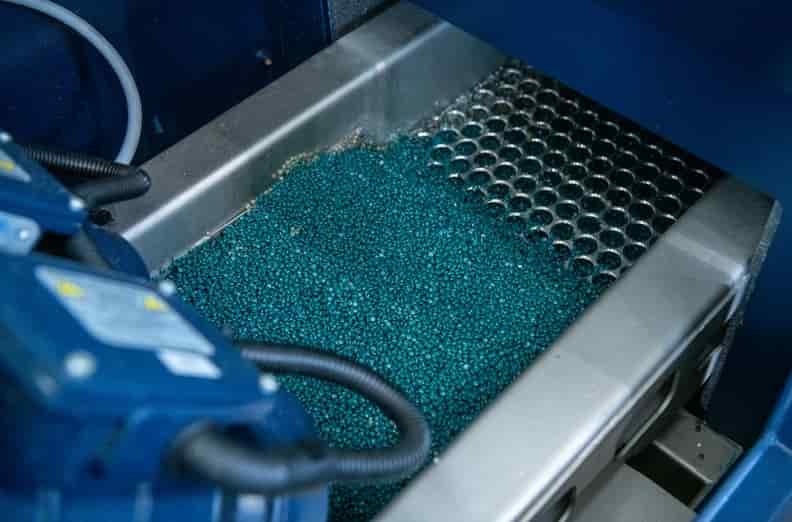
Chroma Color Corporation has just unveiled its latest innovation: ChromaXLPEUltra, a powerful new line of high-intensity color concentrates tailored for cross-linked polyethylene (XLPE) applications. Engineered to perform under pressure, this advanced solution blends vibrant aesthetics with durability, safety, and regulatory compliance.
Bold Colors, Lightweight Formula
ChromaXLPEUltra is designed to deliver intense, vibrant colors using reduced loading levels of just 1–2%, thanks to a proprietary combination of pigments, carrier resins, and performance-enhancing additives. Despite the lower concentrate levels, the formulation meets stringent VW-1 vertical flame test ratings, making it both cost-effective and safe. Circular Chemistry
This lower loading doesn’t compromise on performance. Instead, it enables customers to achieve bold color results without sacrificing the mechanical or thermal properties of the final XLPE product.
Built for Tough Jobs and Harsh Environments
ChromaXLPEUltra targets the most demanding industrial sectors, including:
- Aerospace
- Mining
- Construction
- Refineries
- Nuclear and Hydrogen Energy Facilities
- Transcontinental Power Transmission
In these sectors, material integrity and performance are non-negotiable. The ChromaXLPEUltra line is up to the challenge, maintaining its structural resilience and visual clarity even in the harshest conditions. Circular Chemistry
? Aligned with Sustainability & Compliance
Sustainability and regulatory compliance are at the core of ChromaXLPEUltra’s development. These concentrates are fully compatible with low-smoke, zero-halogen (LSZH) XLPE compounds and conform to ROHS, REACH, and HMF standards. That means fewer toxic emissions and better environmental stewardship — a growing concern across industries.
“ChromaXLPEUltra reflects our deep commitment to innovation, sustainability, and safety,” said Jim Walsh, VP of Technology at Chroma Color Corp. “We engineered this line specifically to help our customers thrive in high-demand markets while remaining compliant and responsible.” Circular Chemistry
? Ready for the Automotive and EV Revolution
The automotive and transportation industries are undergoing a dramatic transformation, driven by the shift to electric and hydrogen-powered vehicles. ChromaXLPEUltra steps up with formulations that support these next-gen technologies. Its UV-resistant versions of XLPE are ideal for cable insulation and component protection in modern EV and fuel cell platforms.
This makes ChromaXLPEUltra a strong candidate for integration into the evolving infrastructure supporting clean mobility — where color coding, durability, and material safety are paramount.
Tested and Trusted to Meet Global Standards
All ChromaXLPEUltra products are manufactured to meet critical performance benchmarks:
- UL 746C: Standard for polymeric materials used in electrical equipment
- ASTM Standards: Ensuring mechanical, thermal, and flame-retardant consistency
These certifications guarantee that ChromaXLPEUltra is not only innovative but also reliable, safe, and globally approved for industrial use.
The Bottom Line Circular Chemistry
ChromaXLPEUltra is more than just a color concentrate — it’s a strategic material solution for sectors that demand more from their polymer systems. Whether you’re designing products for the energy grid, aerospace cabling, or the electric vehicle future, this line offers a perfect blend of:
? High-impact color
? Flame resistance
? Mechanical durability
✅ Regulatory compliance
♻ Environmental responsibility
With ChromaXLPEUltra, manufacturers can enhance their product aesthetics and functionality while meeting the strictest industry demands. It’s a win for engineering, branding, and sustainability.

Polymer Prices Ease Despite Stable Feedstock Costs
In June, European polymer markets continued to show signs of weakness, with standard thermoplastics facing ongoing downward price pressure. This softening trend, which began in May, stems from a mix of stable raw material costs and persistently sluggish demand across key industries. Circular Chemistry
Price Movements by Polymer Type
Polyethylene (PE) prices dropped sharply in May, mirroring the €70/tonne decline in the ethylene reference price. Buyers, looking to compensate for relatively modest discounts in April, negotiated harder, accelerating the price drop. In June, prices have softened just slightly as ethylene costs rolled over without change.
Polypropylene (PP) followed a similar trend. In May, PP prices fell in step with a €65/tonne drop in propylene. Although propylene prices remained flat in June, PP saw marginal decreases through mid-month. Circular Chemistry
PVC prices also declined in May, but the reduction was more limited compared to the actual fall in feedstock (ethylene) costs. Producers held firm on maintaining margins. By mid-June, PVC prices had stabilized, with no changes recorded during the first half of the month.
Polystyrene (PS) prices reflected movements in the styrene monomer reference price, which declined by €40/tonne in May and an additional €47/tonne in June. PS costs tracked this downward trajectory closely.
PET (Polyethylene Terephthalate) was the outlier. Prices actually edged up in May, driven by constrained supply, reduced imports, and expectations of a seasonal demand increase as summer approached. Circular Chemistry
? Supply: Tight in Some Segments, Stable Overall
Despite reduced production rates and frequent plant maintenance shutdowns—both planned and unplanned—supply remains sufficient to meet the current low levels of demand.
Here’s a snapshot of supply dynamics:
- Grupa Azoty (Poland): Its new polypropylene unit suffered a power outage on June 9, halting production. Operations were expected to resume the week of June 16.
- BP (Germany): Restarted its propylene plant on May 26 after declaring force majeure. Circular Chemistry
- Dow Chemicals (Spain): Restarted polypropylene and polyethylene production on May 28 after a maintenance shutdown.
Availability is normal but subdued for HDPE, PS, and PP. In contrast, supply is tight for LDPE, LLDPE, PET, and base PVC due to limited imports and lower production.
Demand Still Fragile Across Sectors
The overall demand landscape remains muted. Over the past two months, polymer consumption has lagged behind seasonal expectations. Economic sluggishness in Europe and consumer hesitancy have led to reduced ordering, especially in the automotive and construction sectors. Circular Chemistry
Many converters report well-stocked warehouses and are placing only short-term, need-based orders. This conservative buying behavior has been further amplified by numerous public holidays in May and June, which have disrupted normal procurement cycles.
July Outlook: Signs of a Turning Point?
Looking ahead, market watchers are divided on what July might bring. Some believe polymer prices may be nearing the bottom, with potential for slight restocking over the summer. Several factors could contribute to a modest price rebound:
- Rising freight costs and maritime shipping disruptions are adding pressure to the supply chain.
- Naphtha prices have stabilized, while crude oil is climbing, particularly amid geopolitical tensions like the Israel-Iran conflict. Circular Chemistry
However, not all signals point upward. The strong euro continues to suppress costs for feedstocks like ethylene and propylene, while OPEC+ has ramped up oil output, with more production scheduled for July. This could continue to restrain any significant upward price movement.
Conclusion: While polymer prices have generally continued their downward trend into June, the market may be approaching an inflection point. With supply disruptions, seasonal demand, and macroeconomic variables in play, July could see a modest shift in pricing momentum—though caution still prevails. Circular Chemistry