Darlington Recycling Plant Secures Approval for £125m Development
£125m Darlington Recycling Plant Secures Planning Approval
A proposed £125 million plastic film recycling facility in Darlington has secured planning approval, moving one of the UK’s most significant advanced recycling developments closer to operation.
Endolys plans to install 12 pyrolysis units at the former Cleveland Bridge and Engineering Works on Yarm Road. Once fully developed, the Darlington recycling plant is designed to process as much as 120,000 tonnes of waste plastic film each year.
The project remains subject to environmental permitting before the entire facility can operate.
Key facts
-
Planned investment: £125 million
-
Location: Former Cleveland Bridge site, Yarm Road, Darlington
-
Planned processing capacity: Up to 120,000 tonnes of plastic film a year
-
Planned production: Approximately 80,000 tonnes of pyrolysis oil a year
-
Equipment: 12 pyrolysis units delivered in two phases
-
Employment: Up to 120 skilled jobs
-
Phase One funding secured: £60 million
-
Environmental status: Permit application under consideration
Former industrial site set for redevelopment
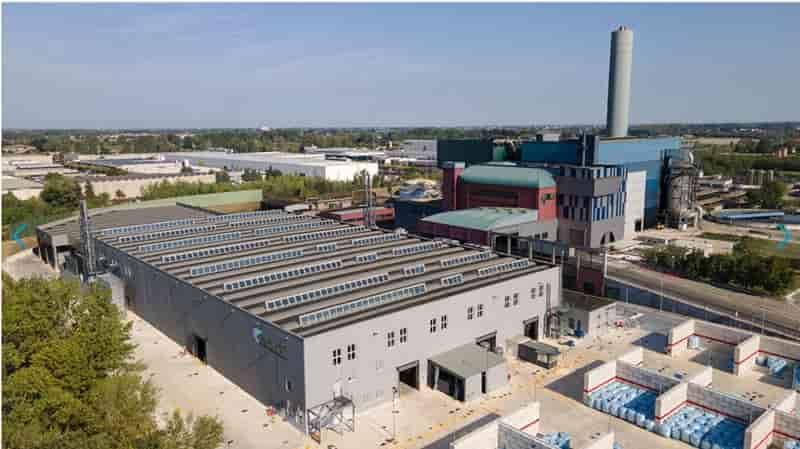
The development will bring the former Cleveland Bridge and Engineering Works back into long-term industrial use. The 29-acre site has been vacant since 2021 and already benefits from established utility connections, substantial industrial buildings and access to road and rail infrastructure.
Endolys says these characteristics should reduce the amount of adaptation required compared with developing an equivalent facility on an undeveloped site. The location is close to the A66 and A19 and includes a rail spur connected to the national network.
The project is expected to create up to 120 skilled roles in areas including plant operations, engineering, maintenance, environmental compliance and technical management.
Endolys has already begun advertising operational and maintenance positions associated with its Darlington activities.
First phase backed by £60 million
Construction and commissioning are planned in two phases.
Endolys says £60 million has been secured for Phase One, covering the installation of the first six pyrolysis units. This initial phase is designed to process approximately 60,000 tonnes of shredded plastic film annually and produce around 40,000 tonnes of pyrolysis oil.
A second group of six units would double the facility’s annual capacity to approximately 120,000 tonnes of plastic film and 80,000 tonnes of oil.
Recent industry reporting confirms that planning approval covers both phases of the project. Endolys is targeting the start of initial operations before the end of 2026, although that timetable will depend on permitting, installation and commissioning.
How the recycling process will work
The plant will use pyrolysis, a thermal process that heats prepared plastic waste in a controlled environment with little or no oxygen.
Rather than mechanically remanufacturing the film into lower-grade products, the process breaks down its hydrocarbon structure. The resulting oil can then undergo further refining and be used as a feedstock by petrochemical manufacturers.
Endolys intends to focus on plastic films that are difficult to handle through conventional mechanical recycling systems. These can include flexible and contaminated materials collected through municipal waste-management facilities.
The company describes the project as a way to return some of this material to the plastics supply chain instead of sending it to incineration or disposal.
Chemical recycling should nevertheless be considered alongside waste prevention, reuse and established mechanical recycling. Its environmental performance depends on factors including feedstock quality, energy consumption, transport, emissions controls and the final use of its products. Darlington recycling plant
Environmental permit still required
Planning permission does not by itself authorise the facility’s waste-treatment operations.
Endolys has applied to the Environment Agency for a bespoke environmental permit for the Darlington plastics-to-oil facility. The application covers the proposed thermal treatment of approximately 120,000 tonnes of waste plastic film annually.
The Environment Agency’s assessment is separate from the planning process. It considers matters such as operating techniques, emissions, noise, odour, accident prevention, waste handling and the protection of nearby communities and sensitive locations.
The project should therefore be described as planning-approved but still subject to environmental permitting, rather than as fully authorised for operation.
Claimed carbon savings require context
Endolys says independent analysis indicates that the completed facility could avoid approximately 170,000 tonnes of carbon dioxide emissions each year and more than 2.6 million tonnes during its operating life.
These figures are projections rather than measured operational results because the full plant has not yet entered service. Their eventual accuracy will depend on the facility’s actual throughput, energy sources, operating efficiency and the waste-management alternatives used for comparison.
Endolys also says it has secured an agreement with a global oil-trading company for the purchase of the plant’s entire output. The identity and commercial terms of that agreement have not been publicly detailed in the sources reviewed.
Engineering work supports North East supply chain
Middlesbrough-based Intelect is providing engineering and project-management services for the development.
The appointment adds a regional supply-chain component to a project that could strengthen the North East’s position in recycling technology, process engineering and lower-carbon manufacturing.
The Tees Valley Combined Authority previously described the investment as an opportunity to regenerate a major industrial site while supporting skilled employment and clean-growth industries in the region.
What happens next?
Following planning approval, the immediate priorities are expected to include completion of the environmental permitting process, equipment installation and commissioning of the first six units.
If those stages are completed successfully, Phase One could begin operating before the end of 2026. The second phase would add another six units and bring the Darlington recycling plant to its proposed full capacity.
The project represents a substantial attempt to address flexible plastic waste that currently has limited recycling routes. Its long-term contribution to the circular economy, however, will ultimately be determined by verified operational data, regulatory compliance and the extent to which its output replaces virgin fossil-based raw materials.
2 New Pyrolysis Plants Boost Jobs And Sustainable Recycling Growth
More…