Sustainable Plastics – Sumitomo Chemical Unveils Breakthrough in Sustainable Plastics with Biomass-Based LCP Sumitomo Chemical is reshaping the future of high-performance plastics with its latest innovation 18-06-2024 - Archive
Sustainable Plastics
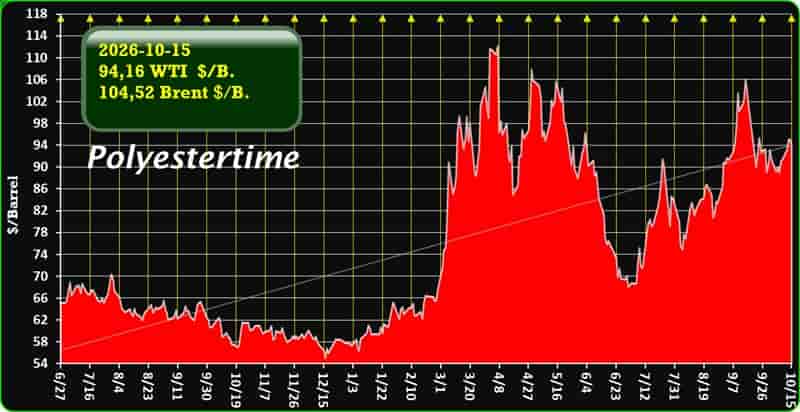
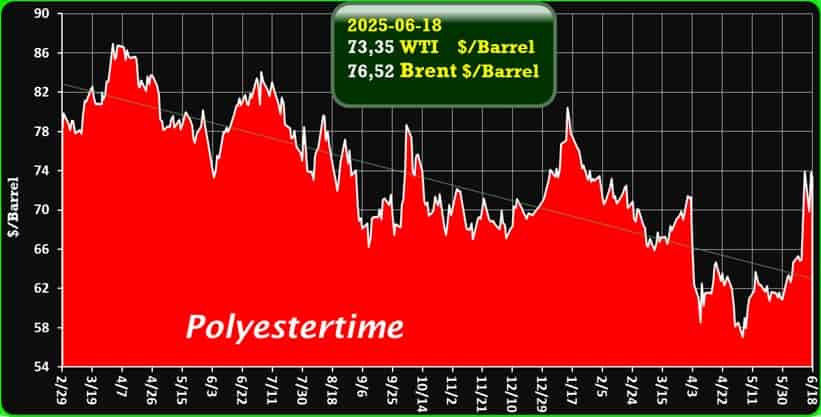
Crude Oil Prices Trend
Sumitomo Chemical Unveils Breakthrough in Sustainable Plastics with Biomass-Based LCP
Sumitomo Chemical is reshaping the future of high-performance plastics with its latest innovation: a mass production process for liquid crystal polymer (LCP) using biomass-derived monomers. This development marks a significant step toward a more sustainable and circular manufacturing model, positioning the company as a pioneer in eco-conscious materials.
A Greener Path to Mass Production
Sumitomo Chemical has successfully established technology to mass-produce LCP using renewable biomass resources. This initiative responds to the growing demand for alternatives to fossil-based materials and reflects the global shift toward reducing environmental impact in industrial manufacturing. Sustainable Plastics
The company’s roadmap includes completing customer certification by fiscal 2026, with full-scale commercial supply beginning in fiscal 2027. This timeline demonstrates a firm commitment to delivering sustainable solutions at scale.
Why LCP Matters
Liquid crystal polymer is a “super engineering plastic” prized for its superior heat resistance, flame retardancy, and strength. It’s a key component in the production of:
- Smartphone connectors
- Automotive parts
- Office automation equipment
Until now, these products have relied heavily on fossil-based feedstocks. As environmental concerns intensify, the pressure has mounted to adopt greener alternatives without compromising performance. Sumitomo Chemical’s biomass-derived LCP offers a promising solution. Sustainable Plastics
A Two-Track Approach: Segregation and Mass Balance
What sets this innovation apart is the company’s dual strategy for incorporating biomass materials:
1. Segregation Approach
In this method, biomass-derived raw materials are kept completely separate from conventional inputs throughout the production lifecycle. This ensures:
- Precise control of the biomass content
- Full traceability for sustainability reporting
- Certainty in compliance with industry standards
This clean and transparent production method makes it easier for customers to verify and trust the bio-content of the final product. Sustainable Plastics
2. Mass Balance Approach
The company is also exploring a mass balance system, where biomass and conventional resources are mixed during production, and the sustainable content is allocated proportionally across the output. This flexible approach:
- Increases production efficiency
- Supports gradual transitions for manufacturers
- Enables broader industry adoption
By offering both pathways, Sumitomo Chemical provides versatile options to meet a range of customer sustainability goals.
Driving the Circular Economy
Sumitomo Chemical’s efforts go beyond just reducing environmental footprint—they aim to accelerate the global transition to a circular economy. This strategy aligns with international sustainability targets and opens new business opportunities in the bioplastics space. Sustainable Plastics
The company continues to invest in biomanufacturing technologies to expand its LCP product portfolio, seeking not only environmental benefits but also long-term business growth through innovation.
Looking Ahead
Sumitomo Chemical’s breakthrough is more than just a technological feat—it’s a statement of intent. By integrating biomass-derived materials into one of the most demanding plastic applications, the company is setting new benchmarks for what’s possible in sustainable industrial chemistry.
As the world shifts toward decarbonization and resource efficiency, innovations like this one will play a vital role in balancing performance with environmental responsibility.
Sumitomo Chemical’s bio-based LCP is a strong signal that the future of materials science lies in sustainable innovation, and the company is not just keeping up—it’s leading the charge. Sustainable Plastics

Biaxplen Launches Eco-Friendly Polypropylene Film for Food Tray Sealing
Biaxplen, a subsidiary of SIBUR, has officially launched the production of its innovative HAGL polypropylene film—designed specifically for sealing plastic trays used in ready-made food packaging. Developed in partnership with Georg Polymer, this cutting-edge packaging solution is poised to transform the food industry’s approach to sustainability and efficiency.
The production milestone follows successful joint testing, confirming the film’s high performance and reliability in real-world conditions. Sustainable Plastics
A Sustainable Leap for Food Packaging
Developed at Biaxplen’s Nizhny Novgorod site, the HAGL film features a monopolyolefin structure, meaning it is composed solely of polypropylene. This allows it to be fully recyclable along with the trays it seals—eliminating the need for complex lamination and multi-material disposal.
This innovation directly supports the growing demand for eco-conscious packaging in the food industry, especially as new environmental regulations push companies toward circular economy solutions.
Clear, Strong, and Cost-Saving
Beyond its sustainability, the HAGL film delivers standout functional benefits:
- Antifog properties ensure a clear view of the food inside.
- High transparency and tensile strength enhance visual appeal and product protection.
- Printable surface supports direct branding without costly labels.
- Local production means it can replace imported alternatives and reduce reliance on less recyclable PET or PE-based films. Sustainable Plastics
According to Biaxplen, the film’s performance was successfully validated through rigorous testing at Georg Polymer’s facilities, paving the way for mass production and widespread adoption.
Commercial Launch and Industry Support
The first commercial batch of trays sealed with HAGL film is expected in the first half of 2025. Georg Polymer will play a key role in the rollout, supplying not only the packaging materials but also sealing equipment and comprehensive after-sales service to food manufacturers.
“This project marks a new phase in our collaboration with SIBUR,” said Luchesa Nabatova, CEO of Georg Polymer. “Innovative materials like HAGL are shaping the ready-to-eat food market by offering solutions that are both environmentally friendly and cost-effective.”
Meeting Retailer and Regulatory Needs
The HAGL film is more than just a packaging material—it is a strategic solution for companies navigating extended producer responsibility (EPR) regulations. Its monomaterial structure helps businesses avoid rising eco fees while ensuring compliance with sustainability targets. Sustainable Plastics
Retail giants and multinational food brands are already showing interest, drawn by HAGL’s recyclability, quality, and local sourcing. This positions the product as a strong contender in both domestic and international markets.
Ready-to-Eat Food Drives Packaging Innovation
Experts forecast robust growth in online food retail and restaurant delivery, with a projected 15% to 30% increase by 2028. As more consumers opt for convenience meals, the demand for reliable, attractive, and sustainable packaging is accelerating.
In Russia alone, 70% of ready-to-eat foods are now sold in sealed polymer trays, underscoring the need for high-quality sealing films like HAGL that preserve freshness and appearance.
Reducing Dependency on Imports
HAGL also contributes to a broader trend of strengthening domestic production. While the share of imported polypropylene in Russia’s processing market has climbed from 15.3% in 2021 to 19.4% in 2024, solutions like HAGL reduce reliance on imports—particularly in the copolymer segment, which remains heavily dependent on foreign supply, with Socar Polymer as the primary source. Sustainable Plastics
By producing advanced materials locally, Biaxplen is helping to fortify Russia’s packaging industry against global supply chain volatility.

Biopolymers vs Traditional Plastics: Paving the Way to a Cleaner Future
Plastic pollution is one of the most pressing environmental challenges of our era. With over 400 million tonnes of plastic produced annually—most of it fossil-based and non-biodegradable—the world is drowning in plastic waste. Despite growing awareness and global initiatives, plastic still clogs our oceans, rivers, and landscapes, endangering wildlife and accelerating climate change. Sustainable Plastics
But recycling alone isn’t enough. With less than 10% of plastic waste actually recycled, the majority ends up polluting the planet for centuries. The time has come to rethink plastic itself—and biopolymers, such as polylactic acid (PLA), are leading the charge.
The Problem with Traditional Plastics
Traditional plastics have long been the go-to material for packaging, consumer goods, medical devices, and more. Their durability, affordability, and versatility transformed entire industries. But their environmental footprint is devastating.
These fossil-based plastics don’t naturally degrade. Instead, they break down into microplastics, contaminating ecosystems, food chains, and even our own bodies. Microplastics have been found in Arctic ice, ocean trenches, and human bloodstreams—raising red flags for health and biodiversity.
Worse still, the production of traditional plastics generates massive carbon emissions, accounting for 4–8% of global greenhouse gases. Yet, despite the damage, industries continue to rely on them due to their cost-effectiveness and deeply rooted manufacturing systems. Sustainable Plastics
PLA Biopolymers: A Renewable, Scalable Solution
Enter PLA biopolymers, a sustainable and scalable alternative. Derived from plant-based sources like corn and sugarcane, PLA doesn’t rely on fossil fuels and offers a significantly lower carbon footprint—up to 75% less than conventional plastics.
PLA is incredibly versatile, used in everything from food packaging and disposable cutlery to textiles and medical devices. It offers comparable strength, flexibility, and transparency to its fossil-based counterparts, making it an ideal substitution.
What makes PLA even more appealing is its biodegradability. In industrial composting settings, PLA can break down faster than orange peels—turning into water, CO₂, and biomass without leaving microplastics behind. This makes PLA perfect for applications that mix with organic waste, such as coffee pods, tea bags, and food containers, where mechanical recycling is nearly impossible. Sustainable Plastics
Field research, including by the Hydra Institute, shows that PLA doesn’t leave microplastic residues in natural environments—making it ideal for agricultural mulch films, fishing gear, and other products prone to outdoor exposure.
Overcoming Barriers to Adoption
Despite its benefits, PLA still faces hurdles. Chief among them is cost—though this is changing. Historically, PLA has been pricier due to smaller production scales. But with mega-projects like Emirates Biotech’s upcoming PLA facility in the UAE, costs are dropping, making sustainable plastics more competitive.
Another major challenge is infrastructure. While PLA is compostable, many regions lack the industrial composting facilities needed to process it correctly. Without proper disposal channels, PLA may end up in landfills, losing its environmental advantages.
Consumer misunderstanding is also a concern. Many people confuse “biodegradable” with “compostable,” leading to incorrect disposal. Clear labeling and educational campaigns are essential to help consumers and businesses manage PLA products effectively. Sustainable Plastics
Bridging the Gap for a Circular Plastic Economy
Transitioning from traditional plastics to biopolymers like PLA isn’t just an ecological necessity—it’s a chance for economic growth and innovation.
Governments can accelerate this shift by implementing plastic bans, carbon taxes, and green subsidies. At the same time, businesses must embrace sustainable design and invest in bioplastic integration across their supply chains.
Infrastructure also needs upgrading. From industrial composting facilities to specialized recycling systems, the backbone of a circular plastic economy must be built to support biopolymers. Sustainable Plastics
At Emirates Biotech, we’re taking the lead by launching the world’s largest PLA production site—providing high-quality, affordable bioplastics across the Middle East and beyond.
The Future of Plastics Is Biobased
The age of fossil-fueled plastics is ending. In its place rises a new model: biobased, biodegradable, and circular. Through innovation, investment, and collaboration, PLA biopolymers can redefine our relationship with plastic—turning a global problem into a sustainable solution.
Tosoh Expands Chloroprene Rubber Production with ¥75 Billion Japan Plant
Tosoh Corporation, a leading Japanese chemical manufacturer, has announced a major expansion to its global chloroprene rubber (CR) capacity. With an investment of approximately ¥75 billion (around £460 million), the company plans to construct a new production facility at its Nanyo Complex in Shunan City, Yamaguchi Prefecture.
This move is set to boost Tosoh’s annual Skyprene CR production by 22,000 metric tons, positioning the company to better meet the increasing international demand for high-performance synthetic rubber. Sustainable Plastics
New Plant to Meet Surging Global Demand
The new facility will break ground in spring 2027 and is scheduled to be fully operational by 2030. Once completed, it will expand Tosoh’s total chloroprene rubber output significantly, ensuring more stable supply chains and faster response times for global customers.
Chloroprene rubber—known commercially as Skyprene—is a high-performance material widely used across multiple sectors. It’s especially prized for its resistance to oil, weathering, and flames, making it ideal for demanding industrial applications.
? Versatile Uses Across Multiple Industries
Skyprene plays a key role in several industries, including:
- Automotive: Used in manufacturing hoses, belts, and gaskets.
- Industrial equipment: Employed in components exposed to harsh environments.
- Adhesives: Serves as a core ingredient in many high-performance adhesive formulations.
- Medical: A critical component in the production of protective gloves and other medical gear. Sustainable Plastics
Thanks to its balanced properties, CR remains one of the most trusted materials in settings where durability and safety are paramount.
Strategic Response to Market Trends
Tosoh’s massive investment isn’t just about adding volume—it’s a strategic move to align with rising global demand. The surge is driven by several key trends:
- Growth in automotive manufacturing, particularly in emerging markets.
- Tighter safety and environmental regulations that demand better materials.
- Rising demand for protective gear in healthcare and industrial environments.
By expanding its CR output, Tosoh is strengthening its role as a reliable supplier of specialty polymers, which are increasingly important in today’s high-specification industries. Sustainable Plastics
Supporting Tosoh’s Specialty Chemical Strategy
The expansion is fully aligned with the company’s long-term “Chemical Chain Business” strategy, which prioritizes value-added specialty materials over lower-margin commodity products. This strategic focus aims to deliver higher profitability while reinforcing Tosoh’s leadership in advanced materials.
By emphasizing high-performance, high-margin polymers like Skyprene, the company not only meets evolving customer needs but also builds a more resilient and forward-looking business model. Sustainable Plastics
Efficient Use of Existing Infrastructure
The choice of the Nanyo Complex for the new plant isn’t accidental. Leveraging existing infrastructure and logistics capabilities allows Tosoh to reduce costs and avoid many of the delays associated with building on a completely new site.
According to industry analysts, the three-year construction timeline highlights the technical challenges of CR manufacturing, which demands highly specialized equipment and strict safety controls due to the complex chemical processes involved.
A Stronger Global Footprint
This strategic expansion reinforces Tosoh’s commitment to meeting global demand with high-quality, dependable materials. Sustainable Plastics
As industries continue to innovate and raise performance expectations, materials like Skyprene will remain essential components in their supply chains.
Tosoh’s investment not only secures its competitive position in the synthetic rubber market but also contributes to broader efforts in innovation, safety, and sustainability—making this a bold step forward for the company and its customers alike.
Boosting Performance in a Talent Shortage: Reifenhäuser at K 2025
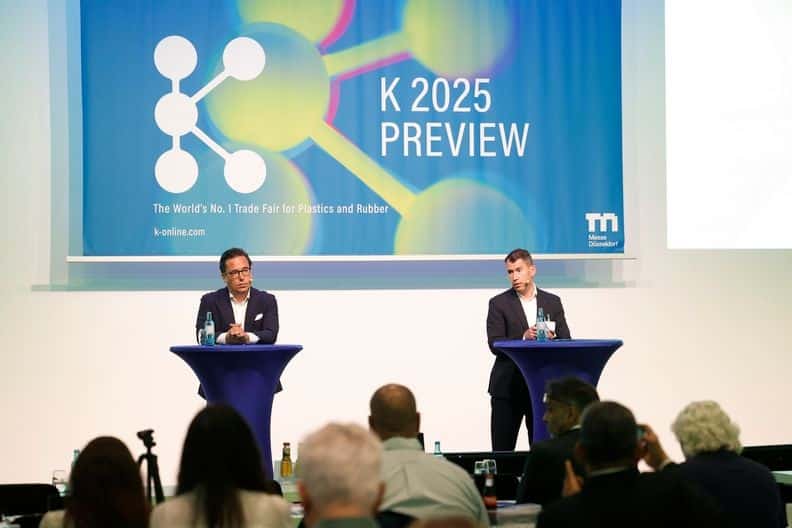
From October 8 to 15, 2025, the global plastics industry will gather at K 2025 in Düsseldorf, the leading trade fair for plastics processing. Among the standout exhibitors, the Reifenhäuser Group will present groundbreaking solutions under the motto “Boost Your Performance.”
The company’s vision focuses on helping film and nonwoven manufacturers maximize their profitability—even amid the ongoing skilled labor shortage. Sustainable Plastics
Smart Tech for Smarter Manufacturing
Reifenhäuser will unveil how Automated Extrusion, Smart Data, and Innovative Training are revolutionizing performance benchmarks for processors.
“Success is tied to constant improvement. But with fewer skilled workers, achieving greater efficiency and quality becomes harder,” notes Marcel Perrevort, CSO of the Reifenhäuser Group. “Our technologies are designed to deliver that extra boost—using automation, data, and AI.”
At Hall 17, Booth C22, the company will showcase solutions from its Blown Film, Cast Sheet Coating, and Reicofil divisions. For the first time, Reiloy (barrel and screw systems) and Kdesign (cooling and calibration for blown film) will share the main booth. Meanwhile, Reifenhäuser Extrusion Systems will exhibit in Hall 1, Stand D91, and the circular economy-focused R-Cycle initiative will be in Hall 7’s Start-Up Zone.
Sustainability That Pays Off
Sustainability will take center stage at K 2025, particularly in response to the EU’s new Packaging and Packaging Waste Regulation (PPWR). Reifenhäuser is prepared to show how recyclable and recycled-content products can be profitable, not just technically feasible. Sustainable Plastics
“Creating recyclable pouches isn’t the hard part anymore,” says Perrevort. “What matters now is making them competitive with conventional packaging.”
Reifenhäuser will demonstrate film structures and machine configurations that make sustainable packaging a sound business model. Their latest MDO (Machine Direction Orientation) innovations stretch mono-material films to create recyclable barrier packaging—ideal for food, hygiene, and medical applications. Even better, thinner film designs (downgauging) mean cost parity with traditional options.
Operational Excellence through Automation & Digitalization
As skilled labor becomes harder to find, automated processes are no longer optional—they’re essential. Reifenhäuser will unveil the second generation of its patented PAM system (Precise, Autonomous, Mechatronic), which automatically controls the coextrusion adapter and die during flat film line operations. This game-changing innovation minimizes human error and maximizes system performance. Sustainable Plastics
Automation is just one piece. Digital tools also play a pivotal role. Reifenhäuser offers advanced software for machine connectivity, data analysis, and real-time process optimization. These tools enable operators to unlock the full potential of their systems—even without deep technical knowledge.
Training for the Future: Introducing Reifenhäuser NEXT
Beyond tools, Reifenhäuser is investing in people. Its new brand, Reifenhäuser NEXT, will consolidate all digital and training solutions. This initiative includes scalable learning platforms designed to upskill workers efficiently and effectively. Sustainable Plastics
Reifenhäuser NEXT will also introduce a portfolio built around Industrial AI—supporting smarter decision-making and predictive capabilities on the production floor. The goal: to prepare manufacturers for a more digital, automated, and sustainable future.
Packaging Intelligence with R-Cycle
Data transparency across the packaging lifecycle is another critical need. Reifenhäuser is championing the R-Cycle initiative, an open tracing standard designed to digitize packaging data for compliance with PPWR. Already backed by 30+ global companies, R-Cycle is available as a Software-as-a-Service solution, making it easy to implement and scale. Sustainable Plastics
See It All at K 2025
From high-performance extrusion lines to next-gen automation, Reifenhäuser is poised to set new benchmarks in the plastics industry. Visitors to K 2025 will have the opportunity to see these technologies in action and engage directly with the experts.
“We’re not just showcasing machines. We’re demonstrating value—from sustainability to productivity,” Perrevort emphasizes.
For those looking to thrive in an evolving market—without relying on hard-to-find skilled labor—Reifenhäuser’s innovations offer a clear path forward. Sustainable Plastics