EU Packaging – Legal Battle Begins Over New EU Packaging Rules The plastics industry has taken a significant step in challenging the European Union’s new Packaging and Packaging Waste Regulation (PPWR) 17-06-2025 - Archive
EU Packaging
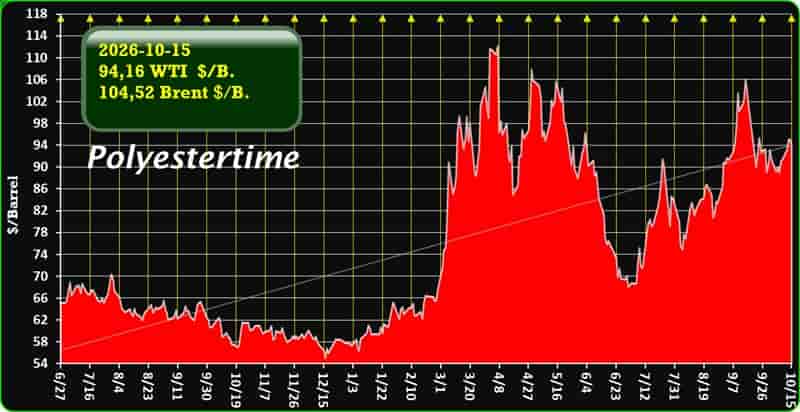
Crude Oil Prices Trend

Plastics Industry Fights Back: Appeal Filed Against EU Packaging Regulation (PPWR)
Legal Battle Begins Over New EU Packaging Rules
The plastics industry has taken a significant step in challenging the European Union’s new Packaging and Packaging Waste Regulation (PPWR). In April, around twenty companies, including several from Italy, officially filed appeals with the Court of Justice of the European Union (CJEU), questioning the legality of some of the regulation’s most contentious provisions.
The details of these appeals were made public in the Official Journal of the European Union on June 10, marking the start of a high-profile legal dispute with potentially wide-reaching implications for packaging manufacturers, suppliers, and environmental policy across the EU. (available here). EU Packaging
Three Core Provisions Under Fire
At the heart of the legal battle are three controversial aspects of the PPWR that industry players argue are overly restrictive and potentially discriminatory:
- Mandatory Reuse of Industrial Packaging
The regulation introduces an obligation for certain industrial packaging to be reused, a move that businesses argue is difficult to implement and potentially harmful to logistics and operational efficiency. - Ban on Certain Single-Use Plastics
Specific types of single-use plastic packaging are now prohibited under the PPWR, a decision that industry representatives believe undermines existing circular economy models and ignores the technical functionality these materials provide. - Exemption for Paper-Based Packaging with Plastic Liners
The regulation allows some paper packaging with plastic lining to avoid mandatory recycled content quotas—a point that plaintiffs argue creates an unfair playing field, favoring certain materials over others without sufficient justification. EU Packaging
Core EU Principles at Stake
The plaintiffs claim that these PPWR provisions violate fundamental EU principles, including:
- Free Movement of Goods: They argue the regulation creates trade barriers within the EU by applying different standards to products based on materials or country of origin.
- Proportionality: Under EU law, any policy that restricts trade must serve a legitimate public interest—such as environmental protection—and must do so in the least restrictive way possible. The appellants claim the PPWR fails this test.
- Equal Treatment: The industry coalition also points out that the regulation may result in unequal treatment between similar products originating from different Member States, raising concerns over fairness and market access.
What Happens Next? EU Packaging
The legal process now rests with the Court of Justice of the European Union, which will first evaluate:
- Whether each appeal is admissible
- Whether the challenged PPWR provisions are subject to judicial review
If the court determines that the appeals are valid, a formal legal procedure will begin. However, there is no fixed timeline for this initial review, meaning that uncertainty looms over the regulation’s near-term enforcement and future direction.
Broader Implications for Europe’s Green Agenda
The PPWR is a cornerstone of the European Green Deal and the EU’s broader push toward sustainable materials management and waste reduction. However, this legal challenge reveals a growing rift between environmental goals and industrial feasibility. EU Packaging
While environmental groups praise the regulation as a much-needed step toward reducing plastic waste, many in the plastics and packaging sector warn that the current approach risks destabilizing established production systems, increasing costs, and even hampering innovation in recyclable and reusable materials.
A Complex Road Ahead
This legal action signals that implementation of the PPWR will not be straightforward. With questions now raised about legal soundness, economic impact, and equal market access, the regulation’s future is more uncertain than ever.
For policymakers, businesses, and environmental advocates alike, the coming months will be critical. The outcome of this case could reshape how packaging regulations evolve across the EU, and determine whether green policy and economic pragmatism can find common ground. EU Packaging

LG Chem and Noritake Partner on Advanced Silver Paste for Automotive Semiconductors
LG Chem has announced an exciting collaboration with Japan’s Noritake to co-develop a high-performance silver paste engineered specifically for next-generation automotive power semiconductors. This innovative material is poised to address one of the most critical challenges in the growing field of electric vehicles and autonomous driving systems.
Meeting the Demands of a Transforming Automotive Market
The transition to electric mobility and autonomous vehicle technologies is rapidly increasing the demand for high-efficiency power semiconductors. These components are crucial for managing power flow in electric vehicles (EVs), especially under high thermal stress. EU Packaging
Traditionally, soldering methods have been used to bond components like silicon carbide (SiC) chips to their substrates. However, with operating temperatures in power modules rising steadily, traditional solders struggle to maintain performance and reliability. This trend has created a pressing need for thermally stable bonding materials that can withstand extreme conditions without degrading.
A Fusion of Strengths: LG Chem and Noritake’s Technological Synergy
The newly developed silver paste is a result of LG Chem’s cutting-edge particle engineering combined with Noritake’s advanced particle dispersion technology. Together, the companies have formulated a material that integrates nano-sized silver particles, offering superior thermal conductivity and exceptional heat resistance.
What sets this silver paste apart is its ability to function reliably at high temperatures—making it ideal for SiC chip bonding in power semiconductors. The product addresses a long-standing pain point in the industry: traditional materials degrade or lose conductivity at elevated temperatures, threatening performance in EV systems. EU Packaging
Storage and Handling Made Easy
One of the standout features of this new silver paste is its enhanced shelf-life and stability. Unlike conventional silver pastes that require cold storage and have limited usability due to their short lifespan, this formulation can be stored at room temperature for extended periods.
This development simplifies logistics by:
- Reducing the need for cold-chain storage
- Minimizing inventory-related losses
- Extending usable working time in production environments
In real-world terms, this means manufacturers gain greater flexibility, lower waste, and increased efficiency—all of which are critical in high-volume automotive supply chains. EU Packaging
Looking Ahead: A Long-Term Strategic Partnership
This successful project marks just the beginning for LG Chem and Noritake. The companies have signaled their intention to pursue ongoing joint research and development aimed at creating next-generation materials for the evolving automotive sector.
With electrification accelerating and global regulations tightening around emissions, the race is on for innovative materials that can support high-power density, durability, and scalability. This collaboration represents a strategic move to stay ahead in a market where innovation is both a necessity and a differentiator.
Market Outlook: Silver Paste in High Demand
The market potential for this high-performance silver paste is substantial. Industry forecasts predict that the global silver paste market for automotive power semiconductors will grow from KRW 300 billion in 2025 to an estimated KRW 850 billion by 2030.
This trend reflects the growing reliance on SiC and similar advanced semiconductor materials, which require specialized bonding solutions like the one LG Chem and Noritake have brought to market. EU Packaging
Executive Perspective
“Leveraging our accumulated technological expertise and advanced materials design capabilities, LG Chem has provided customized solutions across various industries, including automotive electronics,” said Shin Hak-Cheol, CEO of LG Chem.
“Through our partnership with Noritake, we aim to strengthen our differentiated competitiveness in the global automotive materials market.”
Conclusion: Driving the Future of EV Materials
The co-development of this advanced silver paste represents more than just a new product—it highlights a critical materials breakthrough in the ongoing evolution of electric and autonomous vehicles. With superior thermal stability, user-friendly storage, and robust industrial performance, LG Chem and Noritake are setting a new standard for what’s possible in automotive semiconductor manufacturing. EU Packaging
As the global demand for high-performance materials accelerates, partnerships like this one are laying the foundation for a smarter, more efficient, and sustainable future on the road.
Now Is the Time to Invest in Plastics Sorting Tech, Says Dutch Recycler Myne
Europe’s plastics recycling industry is under immense pressure. Economic slowdown, fluctuating trade routes, and rising operational costs have made profitability a major challenge. In this tough environment, many recyclers are being forced to shut down. And yet, some players are doubling down — seeing opportunity where others see only obstacles.
One such optimist is Myne, a Dutch metals recycling company formerly known as Reukema.
Through its new business unit, Myne Circular Plastics, the company is making bold investments to carve out a future in sustainable materials recovery. EU Packaging
€3 Million Bet on Magnetic Density Separation Tech
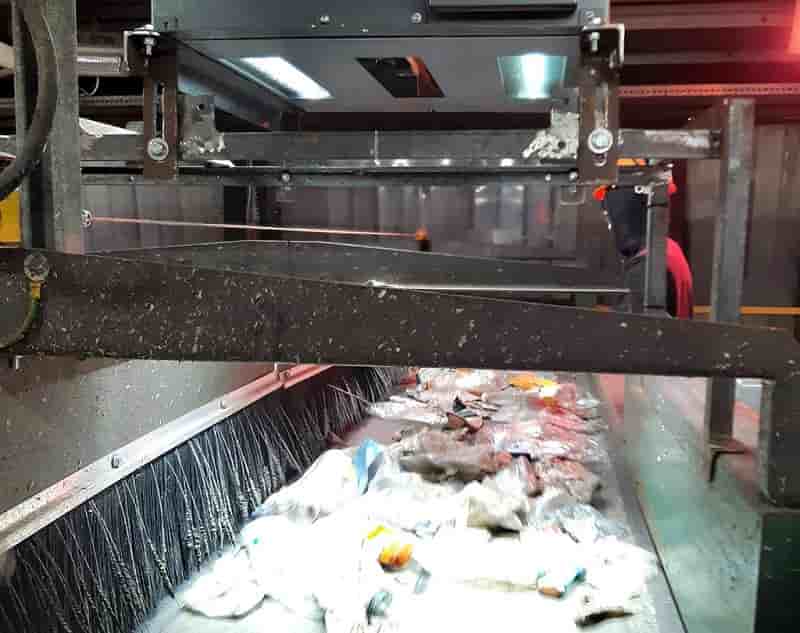
In a strategic move, Myne Circular Plastics has acquired the intellectual property and equipment of Umincorp’s magnetic density separation (MDS) technology. The €3 million investment was jointly funded by parent company Myne Holding and Invest-NL, a Dutch investment agency supporting sustainability initiatives.
This acquisition positions Myne at the forefront of advanced mechanical recycling. MDS enables high-precision sorting of plastic waste based on material density, dramatically improving the quality and efficiency of recycled output.
“This technology forms a strong foundation for developing high-quality recycling solutions focused on efficient reuse of plastics,” the company said in a press release. EU Packaging
Building the Future of Circular Raw Materials
According to CEO Martijn van de Poll, the new technology aligns perfectly with Myne’s broader mission: to become a leading player in the market for circular raw materials.
“Thanks to the collaboration between Myne and Invest-NL, we can fast-track our technology roadmap and scale up capacity in the coming years,” van de Poll stated.
Initially, the MDS system will be deployed to process metal/plastic composites, a challenging waste stream that often escapes effective recycling. However, Myne is confident that demand for recycled plastics will boom after 2030, when many European countries are expected to enforce legislation mandating the use of recycled content in packaging.
From Reukema to Myne: A Strategic Rebrand
In 2023, Reukema officially rebranded to Myne, marking a pivotal shift from conventional metal recycling to a circular economy approach. With over 150,000 tonnes of metals processed annually, Myne is now positioning itself as one of the most innovative recyclers in the Netherlands.
The company leverages AI and robotics to sort metals by alloy, ensuring high-purity output and streamlined operations. It is also collaborating with major research institutions like TU Delft to develop next-generation recycling technologies designed for global deployment. EU Packaging
Why This Matters
Myne’s investment is a timely signal of confidence in a struggling sector. While many recyclers are retrenching, Myne is doing the opposite — investing in innovation, scaling operations, and anticipating regulatory shifts that will make recycled content not just a virtue, but a legal requirement.
For policymakers, this shows that strong legislative frameworks can encourage technological advancement. For the industry, it offers a hopeful blueprint: innovation, collaboration, and rebranding as a path to long-term relevance and resilience.
Final Thoughts
In an era where plastic waste is both an environmental scourge and an economic challenge, advanced sorting technology could be the game-changer recyclers have been waiting for. EU Packaging
Myne’s bold move into plastics via magnetic density separation reflects a forward-thinking strategy that embraces circularity, technology, and scalability.
For the plastics recycling sector, the message is clear: the time to invest in better sorting solutions is now — before regulatory tides turn into tsunamis and the window of opportunity closes for good.
Ineos Begins Production of High-Quality Recycled Polymers in France
Ineos Olefins & Polymers Europe has launched a significant sustainability milestone at its Lavera site in southern France: the production of “virgin-quality” polyolefins from pyrolysis oil, a liquid obtained by breaking down post-consumer plastic waste.
This achievement supports Europe’s growing push for a circular economy and paves the way for high-performance recycled materials in sectors as diverse as automotive, healthcare, food packaging, and infrastructure. EU Packaging
From Plastic Waste to High-Performance Polymers
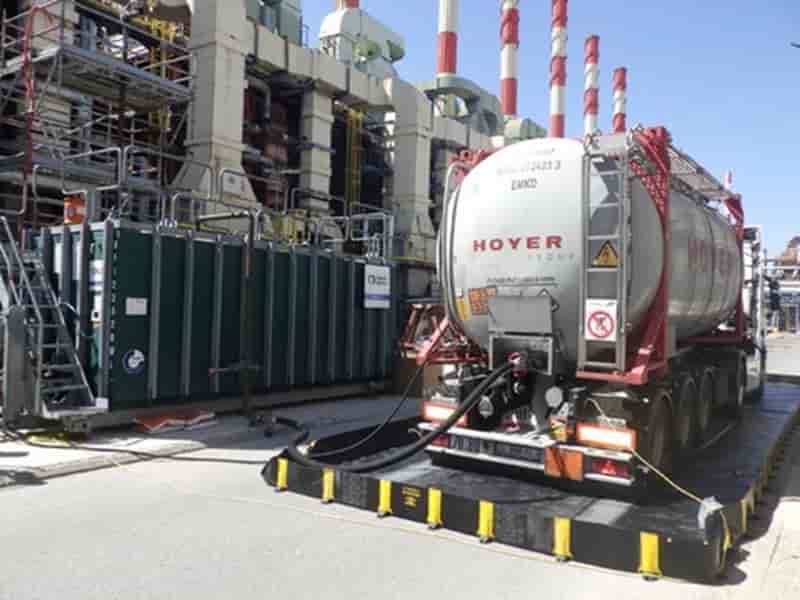
The Lavera facility has received its first deliveries of pyrolysis oil, which is created through the chemical recycling of used plastics. Ineos has upgraded its steam cracker—a core facility used to process hydrocarbons—to accommodate this new feedstock.
This adaptation allows the cracker to convert pyrolysis oil into recycled ethylene and propylene, the fundamental building blocks of many plastic products.
These recycled monomers are then used to produce top-grade polyolefins across Ineos’ sites in Lavera and Sarralbe (France) and Rosignano (Italy). The result: polymers that match the quality and performance of their fossil-fuel-based counterparts, but with a significantly smaller environmental footprint. EU Packaging
Certified Sustainable, Mass-Balance Tracked
The recycled materials are certified under the ISCC+ scheme (International Sustainability and Carbon Certification Plus). This certification ensures that the feedstock is traceable and accounted for using the mass balance approach, a method that verifies sustainable sourcing throughout the production process.
Importantly, Ineos is not limiting its innovation to pyrolysis oil. The Lavera cracker is now equipped to handle a mix of feedstocks, including renewable naphtha—a bio-based oil made from biomass or organic waste.
This dual approach allows Ineos to respond flexibly to supply dynamics while maximizing the sustainability of its materials. EU Packaging
Applications Across Key Industries
The recycled polyolefins produced at these facilities are suitable for high-demand applications, including:
- Automotive components, such as fuel tanks and tire materials
- Food and beverage packaging, meeting strict hygiene standards
- Healthcare products, where material purity is non-negotiable
- Infrastructure solutions, where durability and quality are critical
This broad application scope demonstrates that recycled plastics can meet the stringent technical and safety demands of modern industry.
A Step Toward EU Sustainability Goals
Rob Ingram, CEO of Ineos Olefins & Polymers Europe, emphasized the strategic importance of the project:
“By converting our cracker in Lavera and securing access to pyrolysis oil, we are building the capability needed to produce virgin-quality polymers from recycled feedstocks.” EU Packaging
He added that these materials will support customers in achieving European Union regulatory compliance and corporate sustainability targets.
While Ineos has not disclosed specific production volumes or investment figures, this development marks a clear step forward in integrating circular solutions into the heart of Europe’s plastics industry.
A Cleaner Future Through Innovation
Ineos’ move to embrace pyrolysis oil at scale signals a deep commitment to technological innovation, sustainability, and material circularity. By producing recycled polymers without sacrificing quality, the company is helping transform how industries think about plastic waste.
With pressure mounting globally to reduce environmental impact, this initiative is not just timely—it’s essential. EU Packaging
OECD Forecast: Modest Growth Ahead for Germany — Calls for Bold Reforms
The OECD has revised its economic outlook for Germany, projecting a modest recovery over the next two years. According to the latest report, Germany’s GDP is expected to grow by 0.4% in 2025, followed by a more robust 1.2% in 2026.
These figures signal a cautious return to growth for Europe’s largest economy after a period of stagnation. But the report comes with a warning: unless Germany accelerates structural reforms, its long-term economic vitality could be at risk. EU Packaging
Fiscal Reform Clears the Way for Investment
A key highlight of the OECD report is the recent reform of Germany’s fiscal rules, which is seen as a positive step toward unlocking crucial spending.
The updated fiscal framework will allow the government to boost defense spending and address a significant backlog in infrastructure investment — both urgent needs in light of geopolitical tensions and aging public assets.
However, the OECD cautions that increased spending must go hand-in-hand with fiscal sustainability. It recommends a three-pronged approach:
- Raising public spending efficiency
- Reallocating existing expenditures more effectively
- Broadening the tax base to support demographic challenges, especially the rising costs tied to an aging population.
Stabilizing Pensions Through Longer Careers EU Packaging
To manage the pressure on the pension system, the OECD suggests phasing out fiscal incentives for early retirement. Instead, it urges the government to focus on improving working conditions and incentives that encourage older workers to stay employed longer.
This shift, the report notes, would not only support pension system sustainability but also help address Germany’s growing labor shortages.
Structural Reforms: The Key to Revival
OECD Secretary-General Mathias Cormann emphasized the need for continued reform during the report launch in Berlin, alongside Germany’s Economic Affairs Minister Katherina Reiche. EU Packaging
“Accelerating structural reforms is key to reviving Germany’s economic growth,” Cormann said. He advocated for an integrated reform agenda that combines fiscal responsibility with business-friendly changes.
Key priorities include:
- Reducing administrative burdens on firms
- Lowering regulatory barriers to competition
- Easing the shortage of skilled labor
Digitalization and Deregulation for Business Growth
To help German businesses thrive, the OECD recommends simplifying and harmonizing administrative regulations across federal, state, and local levels. Embracing digital tools in public administration could further streamline business registration and reduce paperwork. EU Packaging
Additionally, the report calls for cutting back occupational licensing requirements to make it easier for entrepreneurs to start new ventures.
Tackling Labor Shortages Through Inclusion
Germany’s labor force challenges are pressing, but the report offers several actionable solutions:
- Incentivize workforce participation among women, older adults, and low-income earners
- Facilitate skilled migration
- Invest in modern education and training policies
These steps, the OECD argues, are essential to boosting productivity and maintaining Germany’s competitive edge. EU Packaging
Inclusive Growth Across All Regions
Finally, the OECD urges Germany to focus on regional equity. Some areas of the country still lag behind in terms of income and growth. Better coordination between industrial, innovation, and regional development policies will help these regions transition effectively and maintain high living standards nationwide.

Bangladesh’s Waste Crisis: Why Innovative Recycling Tech Is a Climate Imperative
Bangladesh, home to over 170 million people, is grappling with a growing waste crisis. Rapid urbanization, industrial expansion, and poor infrastructure have led to widespread, haphazard waste disposal. A staggering 60–70% of waste—mostly organic material—is left uncollected or dumped improperly into open landfills, rivers, or urban streets. Without systematic segregation at the source, the country’s recycling process remains ineffective, creating health hazards and accelerating environmental degradation. EU Packaging
Environmental Fallout: A Double-Edged Sword
The consequences of unmanaged waste are dire. Open-air burning and decomposing garbage release toxic pollutants and greenhouse gases (GHGs) such as carbon dioxide and methane. Methane, in particular, is over 25 times more potent than CO₂ in terms of global warming. Major landfill sites in Dhaka, like Matuail and Aminbazar, are significant methane emitters.
Plastic waste clogs urban drainage systems, worsening waterlogging, especially during the monsoon season. Poor waste disposal has also led to increased outbreaks of waterborne diseases like dengue and cholera.
Waste collectors—often from underprivileged communities—face serious health risks due to direct contact with hazardous materials. EU Packaging
Climate Change Worsens the Problem
Bangladesh is one of the countries most vulnerable to climate change. Rising temperatures, unpredictable rainfall, and frequent cyclones have strained natural defenses. Rivers like the Buriganga and Turag become pollution channels during heavy rains, as uncollected waste gets swept into aquatic ecosystems. This degradation threatens biodiversity and weakens the resilience of already fragile natural barriers.
On the flip side, poor waste management itself contributes to climate change. Producing new materials to replace unrecycled waste consumes vast amounts of energy and emits more GHGs. It’s a self-reinforcing cycle that must be broken. EU Packaging
Recycling as a Climate Solution
To meet its Paris Agreement targets and reduce GHG emissions by nearly 20% by 2030, Bangladesh must radically overhaul its waste management systems. Modern recycling technologies present an opportunity not just for emissions reduction but for economic growth and job creation.
Programs like Dhaka’s “Waste Concern” are already making strides. This community-based initiative separates organic and inorganic waste at the source.
Organic waste is composted into fertilizer—reducing methane emissions—while plastics and paper are sent for reuse. EU Packaging
Embracing Cutting-Edge Tech
Emerging solutions like chemical recycling and waste-to-energy (WTE) systems offer promising results. Chemical recycling breaks down plastic into reusable molecular components, producing high-quality materials. Meanwhile, WTE plants convert non-recyclable waste into electricity through controlled incineration. A pilot WTE project in Keraniganj, Dhaka, shows the potential for scalable waste-to-energy generation.
The textile industry—vital to the nation’s economy—can also adopt circular practices by recycling fabric waste. Companies such as DBL Group are already exploring sustainable models that reduce dependence on virgin materials. EU Packaging
Policy, Awareness & Global Support
Progress requires more than technology. Public education, stricter law enforcement, and collaboration between communities, institutions, and the private sector are vital. The 2022 ban on single-use plastics in coastal zones is a step in the right direction, but enforcement and public buy-in remain weak.
Financial barriers and bureaucratic inefficiencies are hurdles. Still, countries like Sweden and South Korea offer valuable lessons through their successful recycling models. International investments—like those from the Green Climate Fund—can help Bangladesh build the infrastructure it needs. EU Packaging
Conclusion:
The path to sustainable waste management in Bangladesh lies in a combination of technological innovation, public engagement, and strong governance. Investing now in recycling technologies could secure a cleaner, healthier, and more climate-resilient future.