Battery recycling -Transformative Investment Boosts Clean-Energy Supply Chain: Redwood Materials Raises $350 Million to Scale Battery Recycling and Storage Infrastructure for Future-proof Growth 07-11-2025
Battery recycling – Introduction
The rapidly growing clean-energy economy demands not only new-generation batteries but also efficient systems to reclaim and repurpose existing ones. At the forefront of change is Redwood Materials, which has secured a $350 million Series E funding round to expand battery recycling, critical-materials production and large-scale energy-storage deployment. This major investment underlines the strategic importance of battery recycling in the future of energy and manufacturing supply chains.
Funding and Strategic Context
Redwood Materials announced that the Series E round was led by Eclipse Ventures with participation from NVentures, the venture arm of NVIDIA. The company is now valued at over $6 billion according to recent reporting. Bloomberg+1 The fresh capital reflects both investor confidence and the urgency of scaling domestic supply chains for critical minerals and energy-storage capacity. ESG Today+1
Company Overview and Business Lines
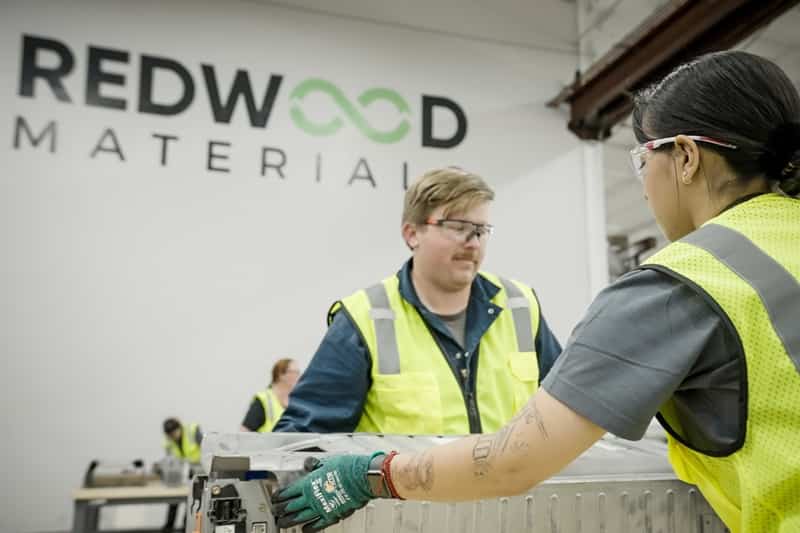
Founded in 2017 by former Tesla, Inc. chief technology officer J.B. Straubel, Redwood Materials operates two core, integrated business lines:
-
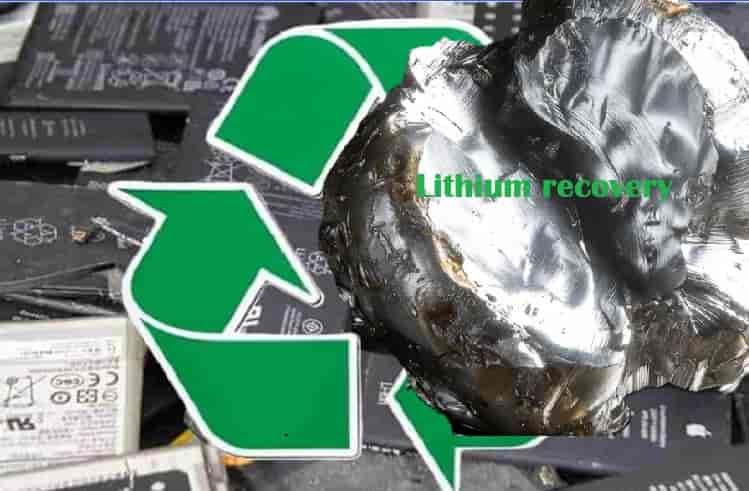
Recycling and refining of critical battery-materials such as lithium, nickel, cobalt and copper.
-
Large-scale energy-storage systems using new and repurposed batteries, aimed at grid services, industrial power and data-centre support. TechCrunch+1
By closing the loop—from used batteries to refined materials to new energy-storage systems—Redwood positions itself at the intersection of battery recycling, manufacturing and energy infrastructure.
What the Funds Will Be Used For
According to company statements, the $350 million will support:
-
Expansion of battery-material refining capacity and production of recycled cathode and anode materials. Forbes+1
-
Growth of the energy-storage business unit, enabling deployment of second-life batteries and large-scale installations.
-
Hiring of additional engineering, operations and manufacturing talent to scale domestic operations. Reuters
-
Strengthening the U.S. domestic supply chain for critical minerals and reducing dependence on international sources. Energy-Storage.News
Why This Matters
The focus on battery recycling is central to the clean-energy transition: recovering valuable elements from used EV and consumer batteries reduces waste, lowers raw-material costs, and helps build more sustainable supply chains. Moreover, the parallel expansion into energy-storage systems addresses one of the major bottlenecks in scaling renewable energy and supporting emerging artificial-intelligence infrastructure. With demand for data-centre power rising sharply, the combination of material recycling and storage solutions positions Redwood at a strategic junction. Business Insider
Market & Industry Implications
This funding round signals a broader shift: battery recycling is no longer a niche operation—it is becoming foundational infrastructure. As global demand for batteries surges, securing raw-material supply and extending battery lifecycle are both essential. Reducing reliance on imported minerals and bolstering domestic capabilities are now priorities. Companies like Redwood offer a model for how integrated recycling, manufacturing and storage can concretely support clean-tech growth and economic resilience.
Challenges and Next Steps
While the prospects are strong, scaling remains challenging. Redwood must continue to streamline recycling processes, reduce the cost of refining, manage logistics of used-battery collection and demonstrate profitability at scale. Integrating second-life batteries into storage systems requires regulatory alignment, operational reliability and robust economics. The upcoming years will test whether Redwood can deliver on its vision and help redefine the lifecycle of batteries.
Conclusion
The $350 million investment in Redwood Materials marks a significant validation of battery recycling as a critical pillar of the clean-energy ecosystem. With expanded capacity in material recovery, manufacturing and energy storage, the company is poised to help power next-generation vehicles, industrial systems and AI infrastructure—while advancing sustainability and domestic supply-chain independence. As Redwood scales, the broader industries of recycling, manufacturing and energy storage may witness a transformation in how materials and batteries are valued, reused and repurposed.