Chemical textile recycling – Indorama Ventures and Jiaren Chemical Recycling Launch Strategic Joint Venture to Unlock 100 000 Tons of Textile-Recycled PET Capacity and Drive Circular Textile Innovation 13-11-2025
Chemical textile recycling – Introduction
The global textile industry takes a significant step toward circularity as Indorama Ventures (IVL) and Jiaren Chemical Recycling announce a joint venture designed to scale production of textile-recycled PET (polyethylene terephthalate). The collaboration aims to unlock up to 100 000 tons of textile-recycled PET spinning capacity annually, marking a major move in the chemical textile recycling space.
What the Joint Venture Targets
Indorama Ventures’ Fibers business, with global reach across Asia-Pacific, EMEA and the Americas, brings strong manufacturing infrastructure and regional supply-chain capabilities. Chemical textile recycling
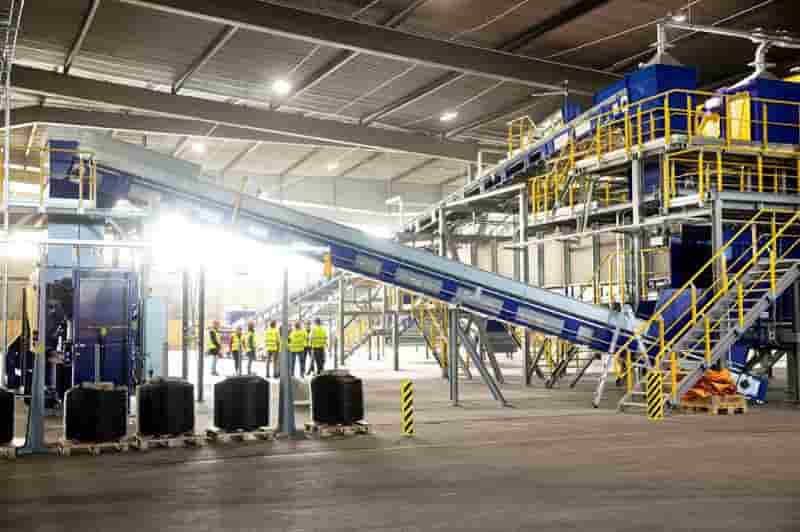
Jiaren Chemical Recycling contributes advanced technology for sourcing, sorting, de-colouring and re-polymerising textile waste, enabling chemical textile recycling at scale.
Together the partners plan to offer brand-owners access to yarns and fibres derived from this recycled feedstock, helping meet climate targets and reduce textile waste while preserving material performance. Ecotextile News+1
Strategic Importance for Supply Chains
By targeting 100 000 tons of textile-recycled PET spinning capacity annually, the joint venture strengthens resilience and transparency in the global textile supply chain. Yahoo Finance+1
For brands and manufacturers, localised sourcing hubs backed by regional footprints and recycled feedstock offer an alternative to virgin fossil-based materials — advancing the circular textile economy. Chemical textile recycling
Sustainability and Circular-Economy Impacts
This initiative underlines the shift from linear to circular material flows in textiles. The focus on recycled PET derived from textile waste aligns with growing pressure on the industry to reduce waste and lower its carbon footprint.
Chemical textile recycling enabled by technologies like Jiaren’s de-colouring and re-polymerisation marks a progression beyond traditional mechanical recycling, enabling higher-quality outputs from challenging feedstocks. markets.businessinsider.com+1
Investment & Technology Commitment
Indorama Ventures has confirmed a double-digit-million dollar equity investment in Jiaren’s recycling capacity, indicating serious financial commitment behind this venture. Chemical textile recycling
The collaboration emphasises that solving textile waste and advanced material performance requires infrastructure, operations and technology development across the value chain. KAOHOON INTERNATIONAL
Challenges and Considerations
Even though the joint venture is announced, it remains subject to regulatory approvals.
Key considerations include:
-
Ensuring consistent supply of textile waste and appropriate sorting / processing systems.
-
Ensuring that the recycled PET spinning capacity is commercially viable and meets performance expectations for brands.
-
Aligning market demand, price-point and logistics for recycled feedstock and final products. Chemical textile recycling
-
Ensuring transparency and traceability for recycled content to satisfy brand, consumer and regulatory expectations.
What This Means for Brands and Consumers
For brands, this venture presents an opportunity to secure recycled feedstock at scale, reduce dependency on virgin materials and strengthen sustainability credentials.
For consumers, the move may translate into more products made from high-quality recycled textile-based PET, which can support circular design and waste reduction. It also signals a broader shift: recycled content is not just niche, but scaling.
Looking Ahead
As the textile industry faces pressures from fast fashion, waste regulation and consumer demand for sustainable products, initiatives like the Indorama-Jiaren joint venture could become foundational. Monitoring its performance, capacity scale-up and impact on material flows will be key.
If successful, the model may be replicated across other feedstocks, geographies and material types — accelerating the circular textile economy more broadly.
Conclusion
This joint venture between Indorama Ventures and Jiaren Chemical Recycling represents a meaningful leap toward circular textile supply chains. By unlocking up to 100 000 tons of textile-recycled PET spinning capacity annually, the initiative addresses waste, material sourcing and climate goals in one strategic move. Brands, industry stakeholders and consumers alike should take note of how this collaboration evolves and how it may reshape recycled feedstock availability and performance in mainstream textiles.