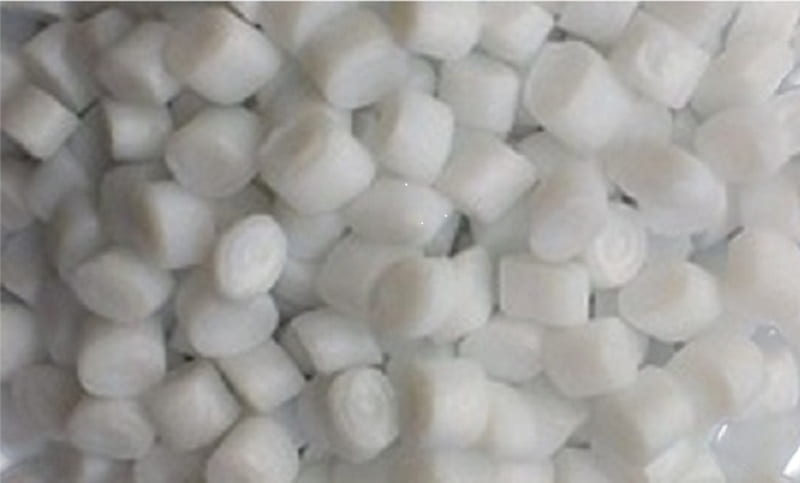
Biodegradable plastic from garden waste – How Garden Waste Is Revolutionizing Bioplastics: Transforming Clippings, Hay, and Algae Into Fully Biodegradable, Eco-Friendly, and Industry-Ready Plastic Solutions for a Sustainable Future 08-01-2026
Biodegradable plastic from garden waste
How Garden Waste Is Turning Into Fully Biodegradable Plastic
Plastic pollution remains one of the most urgent environmental challenges worldwide. While recycling and waste reduction help, scientists are now focusing on a more transformative solution: creating plastics that fully biodegrade and originate entirely from renewable waste. A research team at the University of Oldenburg in Germany has made a major breakthrough by developing a method to turn garden waste, hay, and algae into a high-performance biodegradable plastic.
This innovation has the potential to reshape industries ranging from packaging and construction to automotive manufacturing and medical technology, while also supporting a truly circular economy. biodegradable plastic from garden waste
From Green Waste to Advanced Bioplastic
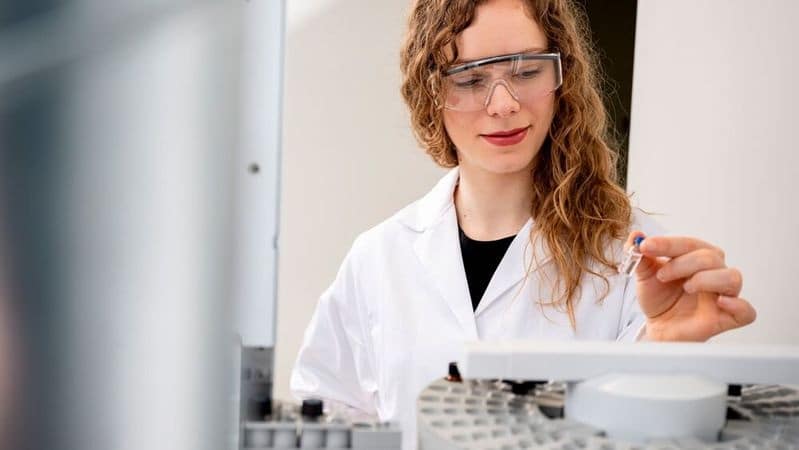
The research is led by chemist Dr. Melanie Walther and focuses on producing a new type of plastic based on polybutylene succinate, commonly known as PBS. PBS is already recognized as a biodegradable alternative to conventional plastics, but until now it has not been possible to make it entirely from organic waste while maintaining recyclability and industrial scalability.
The EcoPBS project aims to solve that problem. By using garden clippings, agricultural residues, and algae as raw materials, the researchers are developing a plastic that is 100 percent bio based, biodegradable, and suitable for large-scale manufacturing.
The project has received approximately 2.94 million USD in funding from Germany’s Federal Ministry of Research, highlighting its significance for climate protection and sustainable innovation. biodegradable plastic from garden waste
Why PBS Matters for Sustainable Manufacturing
PBS has physical properties comparable to widely used plastics such as polypropylene and polyethylene. It is strong, flexible, and easy to process using existing industrial equipment. This makes it attractive for manufacturers who want sustainable alternatives without redesigning entire production lines.
The key difference is biodegradability. PBS can break down naturally under the right conditions, significantly reducing long-term environmental impact. However, previous versions of PBS relied partly on fossil-based inputs and lacked full recyclability.
The EcoPBS research seeks to eliminate those limitations by using only renewable waste materials while ensuring that the final product can be reused or recycled within a closed-loop system. biodegradable plastic from garden waste
Closing the Research Gap in Bioplastics
One of the major challenges in producing bio-based plastics is efficiency. For industrial viability, the process must deliver high yields while consuming minimal energy and resources. According to the research team, this requires robust microorganisms that can survive demanding production conditions and still perform efficiently. biodegradable plastic from garden waste
To address this challenge, the project is structured into three interconnected subprojects that tackle each stage of production.
Optimizing Fermentation Using Organic Waste
The first subproject focuses on fermentation, where organic waste is biologically converted into chemical building blocks. The researchers are testing how garden waste and harvest residues perform as substrates in a newly developed biotechnological process.
Two fermentation methods are being studied in parallel:
-
Acetone butanol ethanol fermentation biodegradable plastic from garden waste
-
Succinic acid fermentation
Both processes use microorganisms to break down organic matter into valuable compounds needed for plastic production. By comparing these approaches, the team aims to identify the most efficient pathway for converting waste into usable bioplastic precursors.
This step is crucial because fermentation efficiency directly affects cost, scalability, and environmental impact.
Advanced Purification and Energy Efficiency
The second subproject focuses on downstream processing, which involves purifying the fermented material and converting it into plastic-ready components. One key goal is refining n-butanol into 1,4-butanediol, a critical building block for PBS.
This stage is often where bio-based processes become too expensive or energy-intensive. To overcome this, the researchers are using process simulations and machine learning to analyze material flows, energy consumption, and system efficiency.
By digitally modeling the production process, they can identify bottlenecks, reduce waste, and optimize energy use before scaling up to industrial levels. biodegradable plastic from garden waste
A Breakthrough Chemical for Fully Bio-Based PBS
A major innovation within the project is the development of a specialty chemical required to remove disruptive substances from the production chain. This chemical enables the creation of fully bio-based PBS for the first time.
The foundational technology has already been patented, and the third subproject focuses on refining and scaling this solution. This step is essential for achieving a plastic that meets industrial quality standards while remaining fully biodegradable and recyclable.
Turning Production Residues Into Renewable Energy
Sustainability does not stop at plastic production. Another key objective of the EcoPBS project is to use leftover residues from the manufacturing process to generate renewable electricity and heat. biodegradable plastic from garden waste
These energy outputs could be used to power laboratory facilities or future production sites, further reducing the carbon footprint of bioplastic manufacturing. This approach strengthens the circular economy by ensuring that every byproduct has a useful purpose.
Real-World Applications of Bio-Based PBS
Once production is optimized, the research team plans to create real-world prototype products using fully bio-based PBS. These include:
-
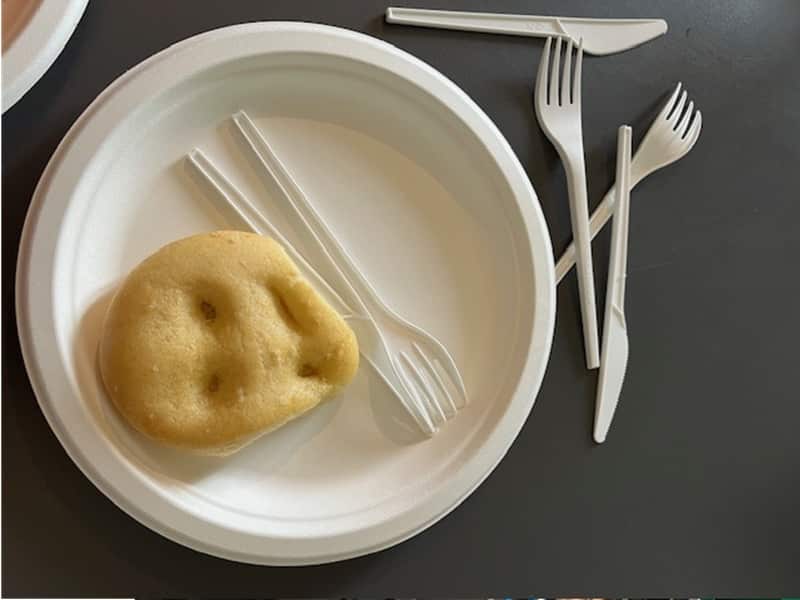
Sustainable packaging materials biodegradable plastic from garden waste
-
Medical-grade products
-
Insulation components
-
Automotive parts
Digital 3D modeling will be used to design and test these products, ensuring they meet industry requirements before commercialization.
A Step Toward a Circular Plastic Economy
The EcoPBS project demonstrates how scientific innovation can transform everyday waste into high-value materials. By combining biotechnology, chemistry, machine learning, and renewable energy strategies, the University of Oldenburg team is laying the groundwork for plastics that align with environmental responsibility and industrial demand.
As global pressure mounts to reduce plastic pollution and fossil fuel dependency, technologies like this represent a critical step toward a cleaner, more sustainable future where waste becomes a resource rather than a problem. biodegradable plastic from garden waste
More…