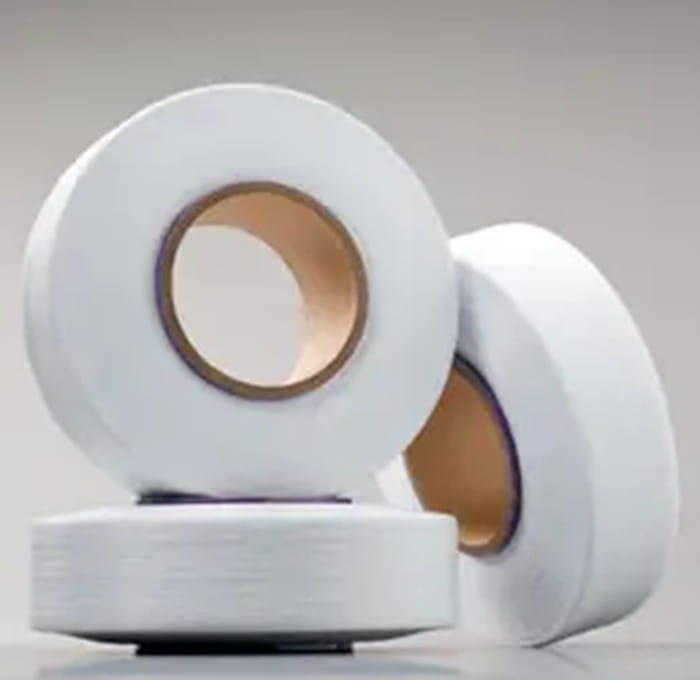
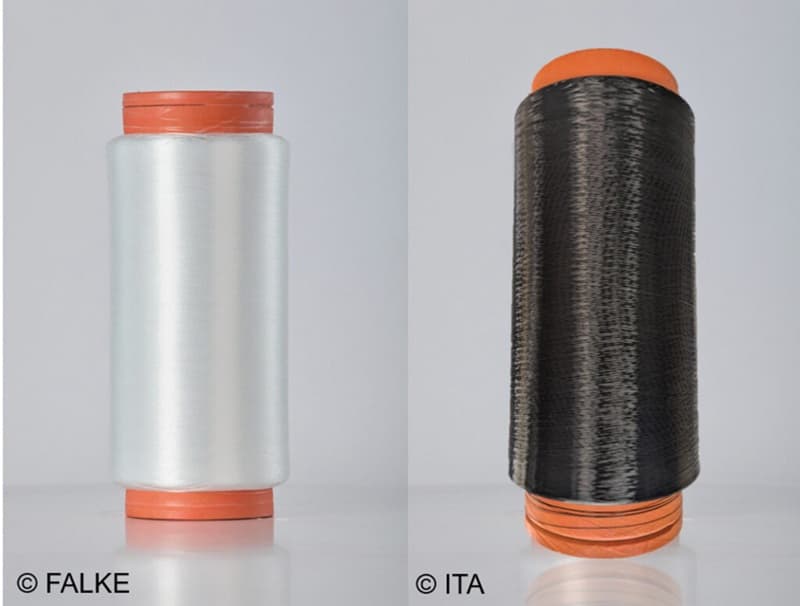
Improves Advanced Anti Static Fiber Improves Workwear Comfort and Safety
Introduction to a New Era in Workwear
The launch of anti-static fiber for workwear marks a significant step forward in protective clothing innovation. Introduced at Techtextil 2026 in Frankfurt, this new solution responds to increasing demand for garments that combine safety, comfort, and durability. Workers across multiple industries require apparel that not only protects but also enhances everyday performance.
Why Anti-Static Performance Matters
Static electricity is a serious concern in many industrial environments. Sectors such as petrochemicals, electronics, pharmaceuticals, and aerospace face risks related to electrostatic discharge. These risks can lead to equipment damage, safety hazards, and reduced productivity.
Anti-static fiber for workwear helps dissipate electrical charges before they accumulate. This reduces the likelihood of sparks and improves overall workplace safety. In addition, it minimizes dust attraction and enhances wearer comfort, especially during long shifts.
Innovation Built Into the Fiber
Unlike traditional coatings or finishes, this anti-static fiber for workwear is engineered with additives embedded directly into the fiber structure. This ensures long-lasting performance that does not wash out or degrade over time.
The integration of anti-static properties at the fiber level allows garments to maintain their effectiveness even after repeated industrial laundering. This is a critical advantage for companies seeking reliable and low-maintenance protective clothing solutions.
Comfort Without Compromise
One of the key benefits of anti-static fiber for workwear is its ability to combine safety with comfort. Workers often resist wearing protective gear if it restricts movement or feels uncomfortable. This innovation addresses that issue by offering stretch and recovery properties similar to high-performance elastane fibers.
The result is workwear that fits better, moves with the body, and remains comfortable throughout the day. Improved comfort can lead to higher compliance rates, ensuring workers consistently wear the protective gear they need.
Seamless Integration for Manufacturers
Another major advantage of anti-static fiber for workwear is its compatibility with existing production processes. It functions as a drop-in solution for knit fabrics, allowing manufacturers to incorporate anti-static performance without changing their established methods.
This ease of integration reduces costs and accelerates adoption across the textile industry. Manufacturers can produce a wide range of garments, including base layers, jackets, overalls, and vests, all enhanced with anti-static capabilities.
Meeting Industry Standards
Compliance with safety standards is essential in industrial environments. Anti-static fiber for workwear supports the development of fabrics that can meet recognized standards such as EN 1149 and IEC 61340, depending on design and testing.
By helping garments meet these requirements, this innovation ensures that companies can maintain regulatory compliance while also improving worker safety and comfort.
Expanding the Workwear Ecosystem
The introduction of anti-static fiber for workwear is part of a broader movement toward smarter and more functional textiles. At Techtextil, this innovation is showcased alongside other advanced fibers designed to enhance performance.
These include fibers that improve moisture management, provide thermal insulation, and withstand harsh industrial laundering. Together, these technologies create a comprehensive approach to modern workwear design.
Sustainability and Long-Term Value
Durability is a key factor in sustainable workwear. Anti-static fiber for workwear contributes to longer garment lifespans by maintaining performance over time. This reduces the need for frequent replacements and lowers overall environmental impact.
Additionally, compatibility with recycled materials and advanced textile systems supports the industry’s shift toward more sustainable practices.
Real-World Applications
The versatility of anti-static fiber for workwear makes it suitable for a wide range of applications. From cleanrooms in pharmaceutical facilities to high-risk environments in oil and gas operations, this fiber enhances safety and efficiency.
Its adaptability also allows designers to create garments tailored to specific job requirements, ensuring optimal performance in every setting.
Conclusion: A Smart Investment in Safety and Comfort
The debut of anti-static fiber for workwear represents a meaningful advancement in protective clothing. By combining embedded safety features with superior comfort and ease of manufacturing, it addresses key challenges faced by both workers and employers.
As industries continue to prioritize safety, efficiency, and sustainability, innovations like this will play a crucial role in shaping the future of workwear. Investing in advanced materials is not just about compliance—it is about creating better working conditions and improving overall productivity.
More….