Oil Prices Stay Strong Amid Rising Global Tensions
Oil prices remain firm as geopolitical tensions and supply concerns support bullish momentum, keeping energy markets resilient despite economic uncertainty and shifting investor sentiment
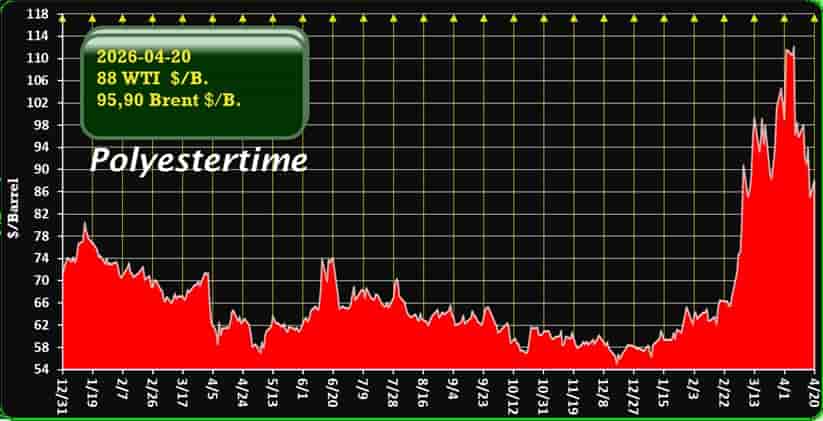
Oil Price Trend: April 20, 2026
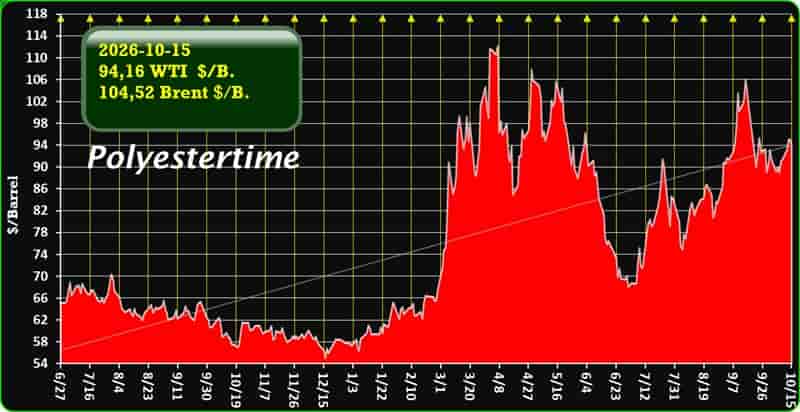
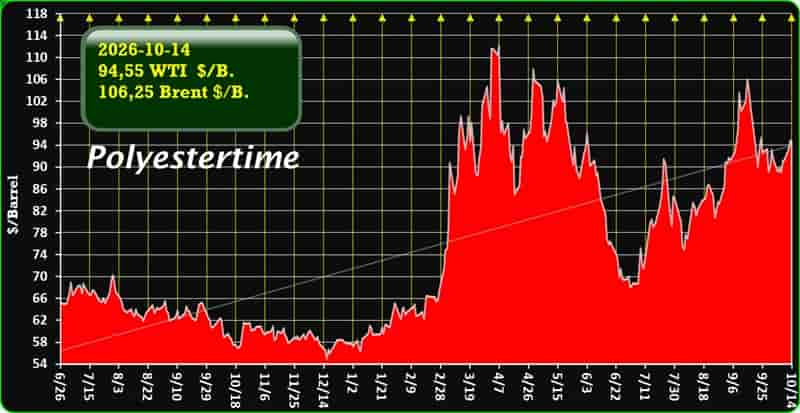
The oil price remains firm as of April 20, 2026, with Brent crude trading between $90 and $100 per barrel and WTI hovering around $85 to $95 per barrel. The current oil price environment reflects a mix of geopolitical tensions, controlled supply, and resilient global demand.
Energy markets have shown renewed strength in recent sessions, with oil benchmarks supported by tightening supply expectations and heightened geopolitical risks, particularly in key producing regions.
Current Oil Price Snapshot
| Benchmark | Price Range (USD/barrel) | Trend Direction | Key Drivers |
|---|---|---|---|
| Brent Crude | 90 – 100 | Upward bias | Geopolitics, OPEC+ discipline |
| WTI Crude | 85 – 95 | Stable to bullish | US demand, inventory levels |
The crude price momentum has been steady, with both benchmarks maintaining levels near recent highs. Market participants continue to monitor supply disruptions and macroeconomic signals closely.
Key Factors Driving the Oil Price
1. Geopolitical Tensions Intensify
Recent developments in the Middle East have added a risk premium to the crude price. Escalating tensions in key oil-producing regions have raised concerns about potential supply disruptions. Even without immediate production losses, the market tends to price in future risks quickly.
This geopolitical uncertainty has been a major factor behind the recent upward pressure on the crude price, echoing patterns seen during past regional conflicts.
2. OPEC+ Supply Strategy
OPEC+ continues to play a central role in shaping the crude price. The group has maintained disciplined output policies, keeping supply relatively tight. Voluntary production cuts by key members have reinforced market stability.
| OPEC+ Action | Impact on Oil Price |
|---|---|
| Production cuts | Supports higher prices |
| Supply discipline | Reduces volatility |
| Policy signaling | Influences investor expectations |
The market expects OPEC+ to remain cautious, prioritizing price stability over aggressive production increases.
3. Global Demand Resilience
Despite economic uncertainties, global oil demand has remained relatively strong. Key drivers include:
- Continued recovery in aviation and travel
- Industrial demand from emerging markets
- Stable consumption in major economies
This demand resilience has helped sustain the current crude price range, preventing sharp declines even amid concerns about slower economic growth.
4. Economic Data and Inflation Trends
Macroeconomic indicators continue to influence the oil price. Recent data suggests:
- Moderate global growth
- Persistent but easing inflation
- Stable energy consumption patterns
While higher interest rates could weigh on demand, the overall impact on the crude price has been limited so far.
Investor Sentiment in Energy Markets
Investor sentiment toward the oil price remains cautiously bullish. Energy stocks have shown gains, reflecting confidence in sustained profitability within the sector.
Key sentiment indicators include:
- Increased investment in energy equities
- Strong hedge fund positioning in crude futures
- Positive outlook from major financial institutions
However, investors remain alert to downside risks, including potential economic slowdowns or unexpected policy shifts.
Oil Price Outlook: Short-Term Perspective
Looking ahead, the oil price is expected to remain within the current range, with a slight upward bias. Several factors will shape the near-term trajectory:
Bullish Factors
- Ongoing geopolitical tensions
- Continued OPEC+ supply discipline
- Stable global demand
Bearish Risks
- Economic slowdown in major economies
- Potential increase in US shale production
- Currency fluctuations impacting demand
What This Means for the Global Economy
The current oil price levels have mixed implications:
| Sector | Impact |
|---|---|
| Consumers | Higher fuel costs |
| Businesses | Increased operating expenses |
| Energy producers | Strong revenue outlook |
| Governments | Inflation management challenges |
Elevated oil prices can contribute to inflationary pressures, but they also support investment in the energy sector, including both traditional and renewable sources.
Final Thoughts
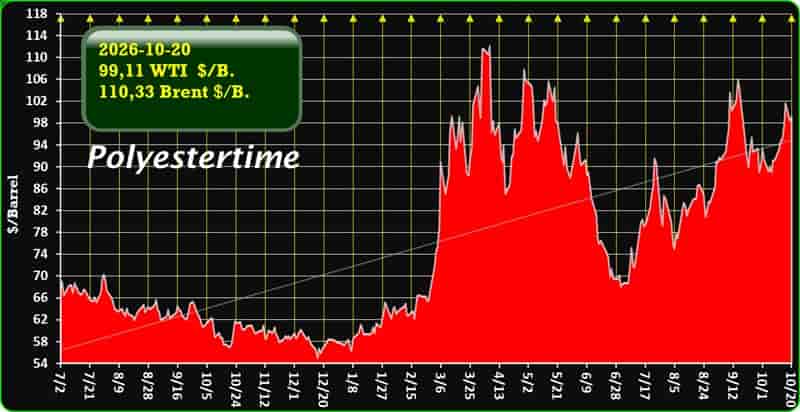
The crude price as of April 20, 2026 reflects a market balancing tight supply, geopolitical risks, and resilient demand. While volatility remains a constant feature, the overall structure suggests continued strength in the short term.
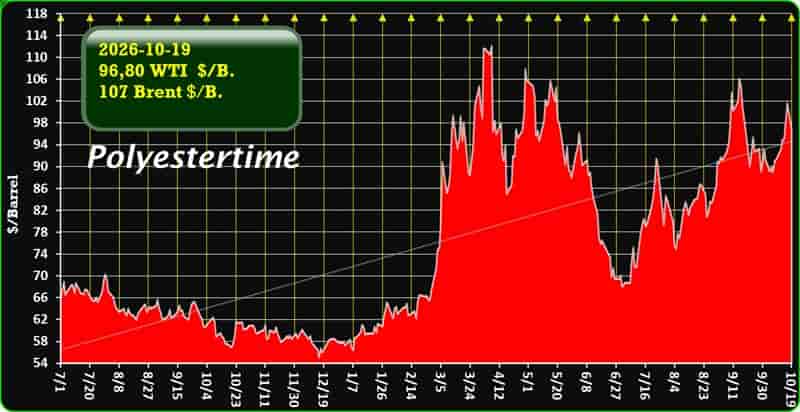
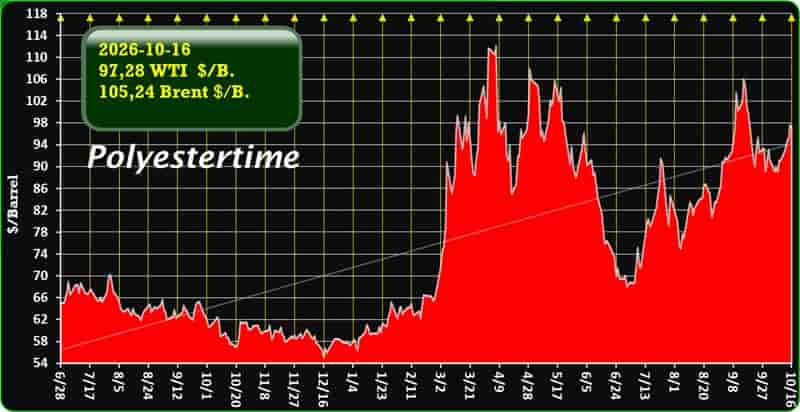
Oil Price Holds Near $100 as Volatility Eases
More….