Safer Recycling for Flame Retarded Plastics
5 Breakthrough Ways Pyrolysis Improves Brominated Flame Retarded Plastics Recycling Safety
Turning Complexity into Circular Value
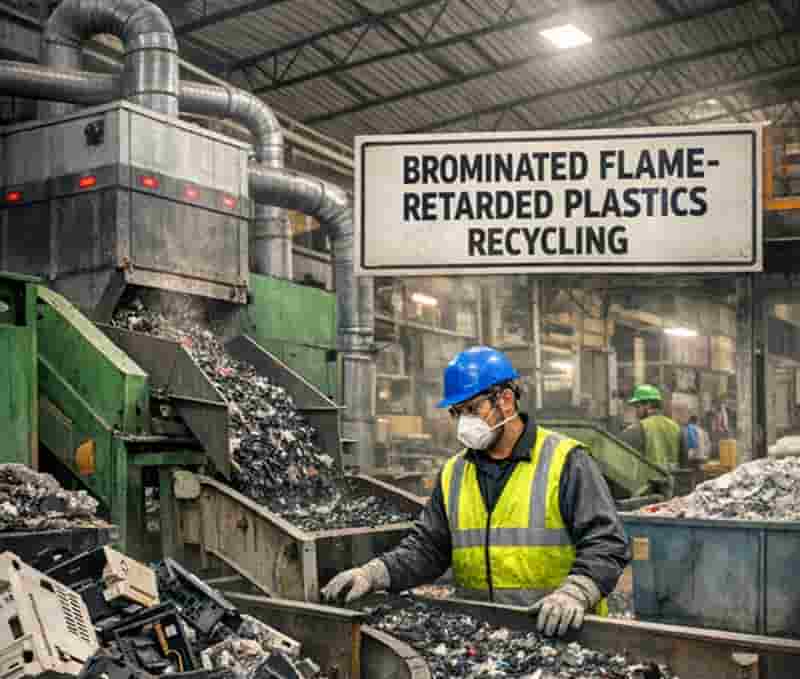
Brominated flame-retarded plastics recycling is entering a new phase of innovation. What was once considered a technical barrier is now becoming a practical opportunity, thanks to advances in pyrolysis research. A new program led by the Energy and Resources Institute demonstrates that these complex materials can be safely transformed into valuable resources while reducing environmental risks.
This shift is significant for industries that rely heavily on flame-retarded plastics, including electronics, automotive, and construction. Instead of viewing these materials as problematic waste, the research reframes them as feedstock for a circular economy.
Why Brominated Plastics Matter
Flame retardants play a critical role in modern safety standards. They reduce fire risks in everyday products, from electronic devices to building materials. However, their presence has historically complicated recycling processes.
Brominated flame-retarded plastics recycling has often been seen as incompatible with advanced recycling technologies. Concerns about hazardous byproducts and contamination have limited progress. This new research challenges those assumptions with evidence-based solutions.
Pyrolysis Changes the Game
Pyrolysis is a chemical recycling process that breaks down plastics at high temperatures in the absence of oxygen. The result is a mix of oils, gases, and solid residues that can be reused.
In the context of brominated flame-retarded plastics recycling, pyrolysis offers a controlled environment to manage potentially harmful elements. The latest findings show that:
- Bromine can be captured as stable salts
- Antimony can be recovered for reuse
- Clean oils can be produced for new materials
These outcomes make pyrolysis a promising pathway for handling complex plastic waste streams safely and efficiently.
Capturing Value While Reducing Risk
One of the most important breakthroughs in brominated flame-retarded plastics recycling is the ability to separate and stabilize bromine. Instead of releasing harmful compounds, the process converts bromine into manageable forms that can be reused or safely stored.
At the same time, antimony, often used alongside flame retardants, can be recovered rather than lost. This is particularly important because antimony is considered a critical material with limited global supply.
By combining material recovery with risk reduction, pyrolysis creates a balanced approach that aligns with both environmental and economic goals.
Supporting a Circular Economy
The circular economy depends on keeping materials in use for as long as possible. Brominated flame-retarded plastics recycling has traditionally struggled to fit into this model due to technical challenges.
Now, with improved pyrolysis methods, these plastics can re-enter the production cycle. Clean oils generated during the process can be used to create new plastics, reducing the need for virgin resources.
This approach not only minimizes waste but also supports more sustainable manufacturing practices across multiple industries.
Addressing E-Waste Challenges
Electronic waste is one of the fastest-growing waste streams globally. Many electronic components contain flame-retarded plastics, making disposal and recycling more complex.
Brominated flame-retarded plastics recycling through pyrolysis offers a scalable solution for e-waste management. By treating mixed plastic streams effectively, the process helps divert waste from landfills and reduces environmental contamination.
This is particularly relevant as global regulations and consumer expectations push for more responsible handling of electronic waste.
Industry Implications and Future Outlook
The implications of this research extend beyond recycling facilities. Manufacturers, policymakers, and sustainability leaders can all benefit from integrating these findings into their strategies.
For manufacturers, improved brominated flame-retarded plastics recycling means greater flexibility in material selection without compromising end-of-life outcomes. For policymakers, it provides a scientific foundation for regulations that support advanced recycling technologies.
Looking ahead, continued investment in pyrolysis and related innovations will be key to scaling these solutions. Collaboration between research institutions, industry stakeholders, and governments will accelerate adoption and maximize impact.
Building a Safer Recycling Ecosystem
Safety remains a top priority in any recycling process. The ability to control chemical reactions and capture potentially harmful elements makes pyrolysis a safer alternative for handling flame-retarded plastics.
Brominated flame-retarded plastics recycling is no longer a question of feasibility but of optimization. With the right systems in place, it is possible to achieve high recovery rates while maintaining strict safety standards.
This progress represents a meaningful step toward a more resilient and sustainable recycling ecosystem.
Conclusion
Brominated flame-retarded plastics recycling is undergoing a transformation driven by scientific innovation and practical engineering. Pyrolysis is at the center of this change, offering a reliable method to recover valuable materials while reducing environmental risks.
As industries continue to prioritize sustainability, solutions like these will play a crucial role in closing the loop on complex plastic waste. The path forward is clear: with the right technology and collaboration, even the most challenging materials can become part of a circular future.
Plastic Recycling Boom Drives 7 Positive Industry Shifts
More…