5 Reasons Recycled Bus Seat Innovation Shines
A New Chapter for Sustainable Design in Milan
At Milan Design Week, innovation meets responsibility, and this year brings a standout example: a recycled plastic bus seat that blends sustainability with practical design. Presented by NextChem in collaboration with Lazzerini, this project highlights how recycled materials can meet the demands of modern urban transport.
The installation is part of The New State of Materials, curated by Materially and hosted at Stecca3 in the Isola district. It offers a clear narrative: waste is no longer an endpoint but the beginning of a new design lifecycle.
From Waste to High-Performance Material
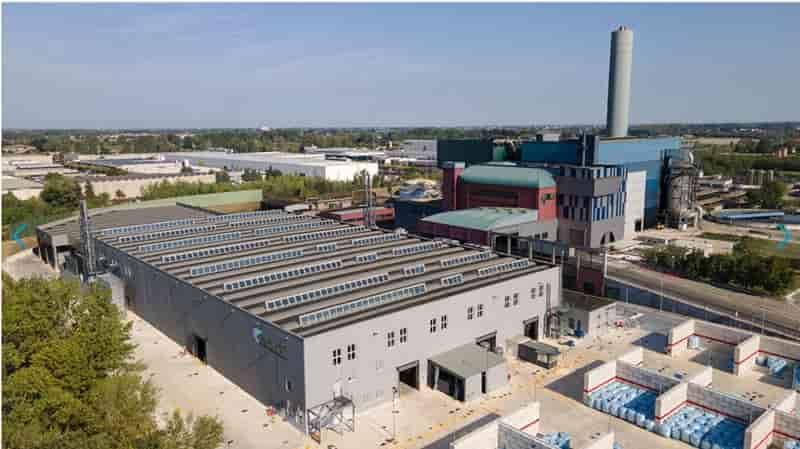
The journey of this recycled plastic bus seat starts with post-consumer plastic. Instead of ending up in landfills, these materials are processed at the Bedizzole facility operated by MyReplast Industries.
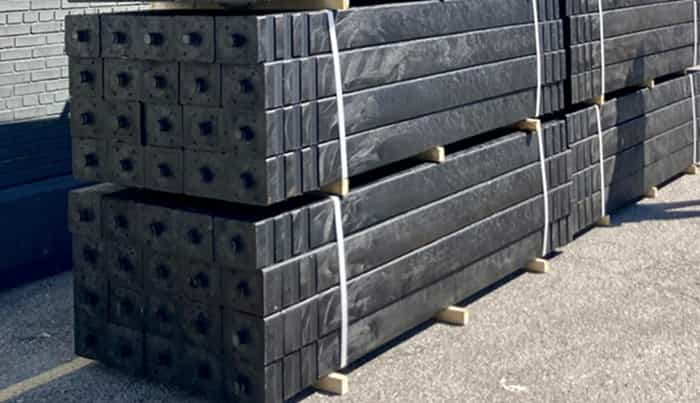
Using proprietary NX Replast technology, the discarded plastic is transformed into high-quality polymer granules. This process is not simple recycling—it is upcycling. The resulting material is engineered to meet strict performance standards, making it suitable for demanding applications like public transport seating.
This stage is crucial because a recycled plastic bus seat must meet durability, safety, and aesthetic expectations. The material is customized to ensure it performs just as well, if not better, than virgin plastic alternatives.
Engineering a Durable Recycled Plastic Bus Seat
Once the recycled granules are ready, they are molded into the final seat structure. Every recycled plastic bus seat is designed to meet ergonomic requirements for passenger comfort while maintaining structural integrity for daily heavy use.
Urban transport environments demand resilience. Seats must withstand constant use, temperature changes, and wear over time. This recycled plastic bus seat achieves all of that while maintaining a clean, modern design that fits contemporary transit systems.
Importantly, the seat is made entirely from recycled plastic. This reduces dependency on new raw materials and significantly lowers the environmental footprint of production.
Visual Storytelling That Makes Sustainability Tangible
One of the most compelling aspects of this project is how it communicates its message. The installation does not simply display a finished recycled plastic bus seat. Instead, it visually narrates the entire transformation process.
Transparent cubes filled with recycled polymer granules are arranged alongside the final product. This design choice allows visitors to see the evolution from waste to functional object. It makes the concept of circular economy both visible and understandable.
For many visitors, this is a powerful realization. A recycled plastic bus seat is no longer an abstract sustainability concept—it becomes something tangible, practical, and scalable.
Why This Innovation Matters for Urban Mobility
The introduction of a recycled plastic bus seat is more than a design exercise. It represents a shift in how cities can approach infrastructure and sustainability simultaneously.
Public transport systems are under pressure to reduce environmental impact while maintaining efficiency and reliability. By integrating recycled materials into essential components like seating, cities can take meaningful steps toward sustainability without compromising quality.
This approach also opens the door for broader applications. If a recycled plastic bus seat can meet strict transport standards, similar materials could be used in other urban infrastructure elements.
A Model for Circular Design Thinking
This project demonstrates how collaboration drives innovation. NextChem brings advanced recycling technology, while Lazzerini contributes expertise in transport seating design. Together, they create a recycled plastic bus seat that is both functional and forward-thinking.
The result is a model for circular design. Materials are not discarded—they are continuously repurposed, maintaining value throughout their lifecycle. This is essential for reducing waste and building more sustainable production systems.
Looking Ahead: The Future of Recycled Materials
The success of this recycled plastic bus seat signals a broader trend in design and manufacturing. Recycled materials are no longer limited to low-value applications. They are becoming central to high-performance products.
As awareness grows, more industries are likely to adopt similar approaches. The combination of technology, design, and sustainability will shape the next generation of products across sectors.
Key Takeaways
The recycled plastic bus seat presented at Milan Design Week is a clear example of how innovation can transform environmental challenges into opportunities. It combines advanced recycling technology, thoughtful design, and real-world usability.
Most importantly, it proves that sustainability does not require compromise. A recycled plastic bus seat can be durable, attractive, and efficient—all while reducing environmental impact.
Plastic Recycling Boom Drives 7 Positive Industry Shifts
More….