Oil Prices Surge Toward $110 Amid Global Pressures
Oil price climbs sharply toward $110 as supply risks, resilient demand, and geopolitical tensions tighten markets and raise fresh concerns for global growth outlook
Oil Price Trend Analysis – April 24, 2026
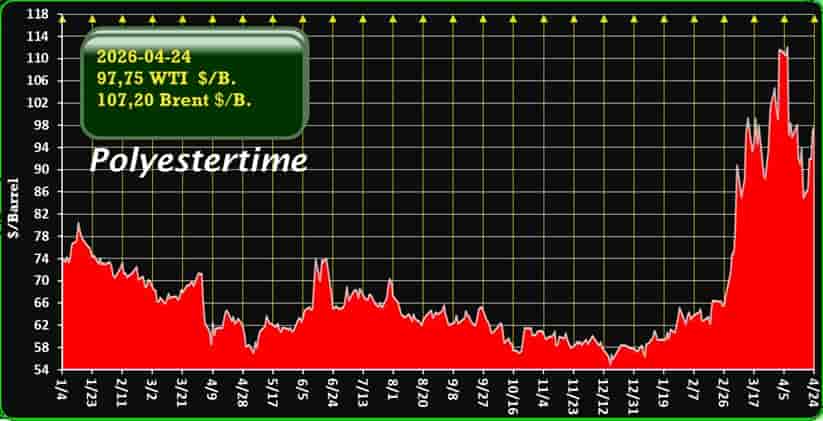
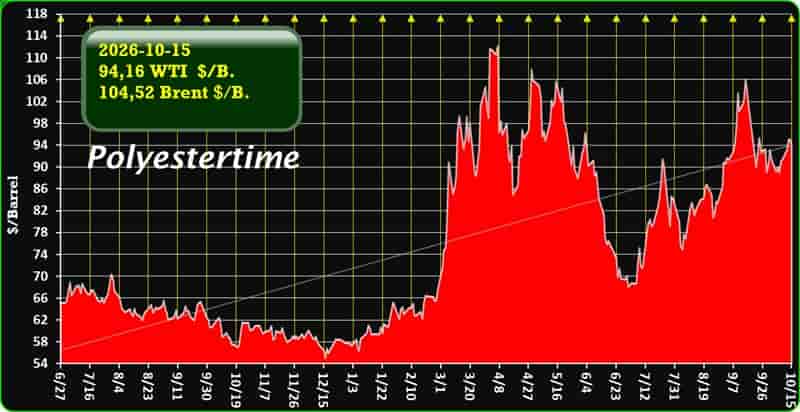
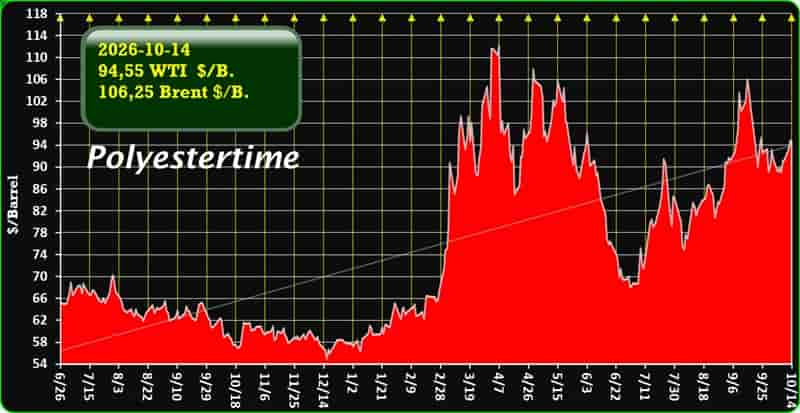
The oil price continues its upward trajectory as of April 24, 2026, with Brent crude trading between $105–$110 per barrel and WTI hovering around $95–$100 per barrel. This sustained rally reflects a complex mix of tightening supply conditions, resilient global demand, and mounting geopolitical uncertainty.
Markets are increasingly signaling that higher energy costs may begin to weigh on broader financial conditions, raising concerns for both inflation and economic growth.
Current Oil Price Snapshot
| Benchmark | Price Range (USD/barrel) | Trend Direction | Key Drivers |
|---|---|---|---|
| Brent Crude | $105 – $110 | Upward | Supply constraints, geopolitics |
| WTI Crude | $95 – $100 | Upward | Strong US demand, inventory drawdowns |
The oil price gap between Brent and WTI remains stable, reflecting regional supply dynamics and transport factors, while both benchmarks trend firmly upward.
Key Drivers Behind the Oil Price Surge
1. Tight Global Supply
One of the most significant forces behind the rising crude price is constrained global supply. Production growth has lagged expectations, particularly in key exporting regions.
- Ongoing underinvestment in upstream projects
- Declining output in some mature oil fields
- Operational disruptions in politically unstable regions
These factors are limiting the ability of producers to respond quickly to rising demand.
2. OPEC+ Production Strategy
OPEC+ continues to play a central role in shaping the crude price trajectory. The group has maintained a cautious production stance, prioritizing price stability over aggressive output increases.
Recent signals suggest:
- Gradual production adjustments rather than large increases
- Strong discipline among member countries
- Focus on keeping prices within a favorable range
This controlled supply approach is helping sustain the current elevated oil price levels.
3. Geopolitical Tensions
Geopolitical risks remain a persistent catalyst for higher oil price volatility.
Key concerns include:
- Ongoing conflicts affecting major oil-producing regions
- Trade tensions impacting energy flows
- Sanctions and export restrictions
Even the threat of disruptions is enough to push the crude price higher, as traders price in potential supply shocks.
4. Resilient Global Demand
Despite concerns about slowing economic growth, demand for oil remains robust.
- Strong consumption in emerging markets
- Continued recovery in global travel and aviation
- Industrial demand holding steady
This resilience is preventing any meaningful pullback in the crude price, even as financial conditions tighten.
5. Economic Data and Financial Conditions
Recent economic indicators suggest a mixed outlook. While some regions show slowing growth, others remain surprisingly strong.
Higher energy costs are beginning to:
- Increase inflationary pressures
- Tighten financial conditions
- Influence central bank policy decisions
As borrowing costs rise, the oil price itself becomes a factor shaping macroeconomic trends.
Investor Sentiment and Market Positioning
Investor sentiment toward the crude price remains cautiously bullish.
Key Observations:
- Hedge funds and institutional investors are increasing long positions
- Market participants expect supply to remain tight in the near term
- Volatility is rising due to geopolitical uncertainty
However, there is also growing awareness that excessively high crude price levels could eventually dampen demand, creating a natural ceiling for further gains.
Oil Price Impact on the Global Economy
The current oil price environment has wide-ranging implications:
| Sector | Impact of Rising Oil Price |
|---|---|
| Consumers | Higher fuel and energy costs |
| Businesses | Increased operating expenses |
| Governments | Inflation management challenges |
| Central Banks | Pressure to maintain tighter monetary policy |
Higher energy costs act as a tax on economic activity, potentially slowing growth while keeping inflation elevated.
Short-Term Oil Price Outlook
Looking ahead, the crude price is likely to remain elevated in the short term, with Brent potentially testing or sustaining levels near $110.
Bullish Factors:
- Continued OPEC+ discipline
- Persistent geopolitical risks
- Strong seasonal demand
Bearish Risks:
- Economic slowdown reducing demand
- Policy interventions or strategic reserve releases
- Unexpected supply increases
Overall, the balance of risks suggests limited downside for the crude price, with volatility remaining a key feature of the market.
Final Thoughts
The oil price trend as of April 2026 reflects a market under pressure from both supply constraints and resilient demand. While investors remain optimistic about near-term price strength, the broader economic impact cannot be ignored.
If current conditions persist, elevated oil prices may continue to tighten financial conditions globally, influencing everything from inflation to monetary policy decisions.
For energy markets, this environment underscores the importance of supply discipline and geopolitical stability, while for the global economy, it highlights the delicate balance between growth and rising costs.
Oil Prices Stay Elevated as Markets Absorb Global Signals
More…