Polymer Prices Surge Sharply
Polymer Prices Rise Fast as Oil Shock Drives 7 Market Shifts
Introduction
The global petrochemical industry is experiencing a renewed wave of cost pressure as the polymer prices increase trend accelerates alongside rising crude oil markets. Polymers such as polyethylene, polypropylene, and PET are derived from petrochemical feedstocks including naphtha, ethylene, and propylene, all of which are directly linked to crude oil refining.
When crude oil prices rise, the cost of these intermediate materials increases almost immediately, pushing production costs higher across the plastics value chain. Over the past few days, oil markets have moved sharply upward, creating a direct and measurable impact on polymer pricing globally. polymer prices increase
Current Market Context
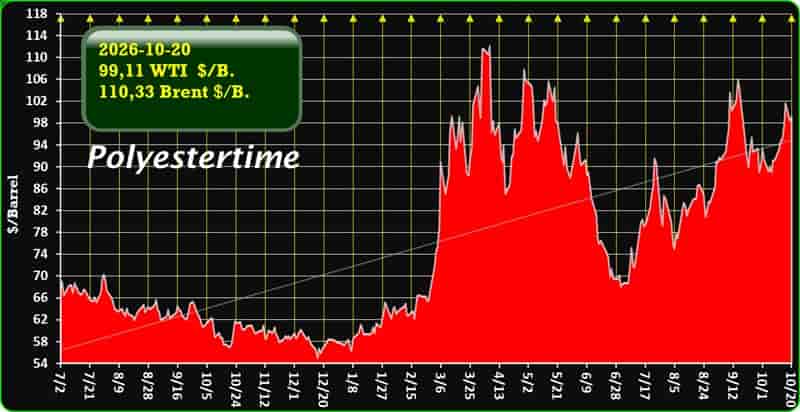
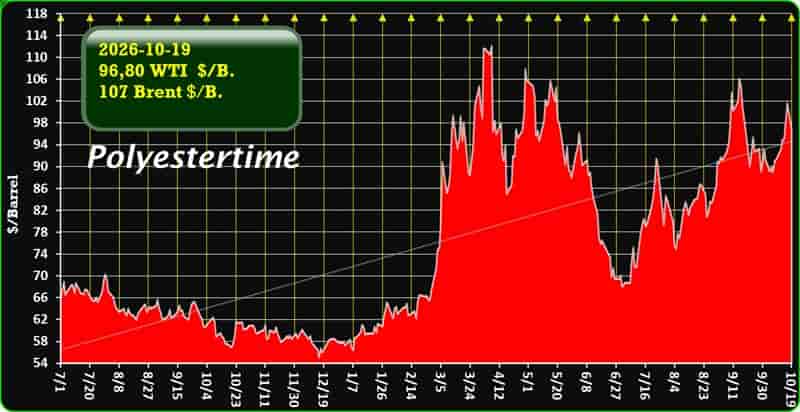
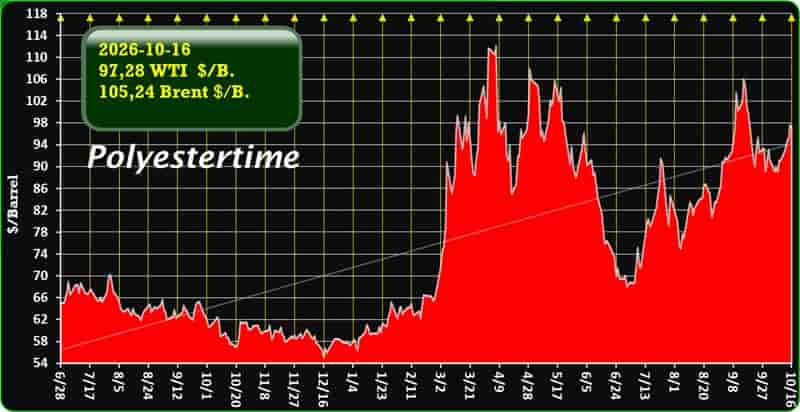
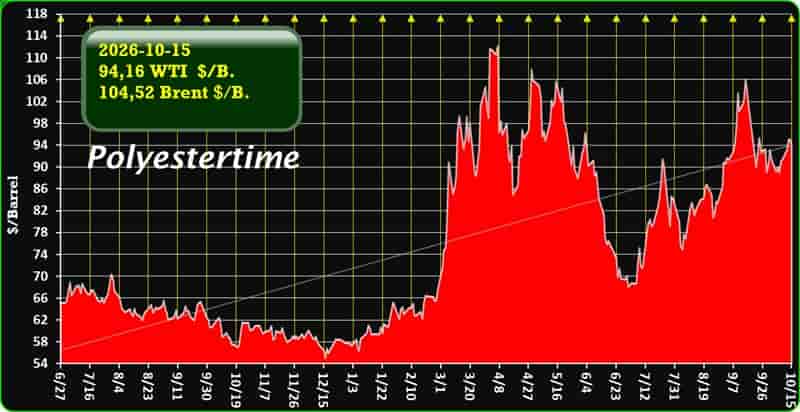
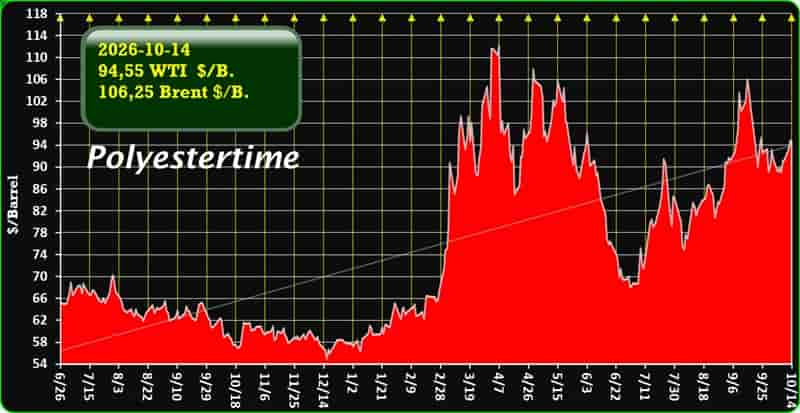
Recent data from major financial and industry sources such as Reuters and The Wall Street Journal indicate that crude oil prices have surged into the $95 to $107 per barrel range. This increase has been driven primarily by geopolitical tensions in the Middle East, including supply risks linked to shipping routes such as the Strait of Hormuz.
Supply constraints, combined with production discipline from major oil exporters, have tightened global availability. Analysts report that even minor disruptions are having amplified effects due to already constrained inventories. This environment has created a strong upward momentum in energy markets, which is now feeding directly into petrochemical pricing.
The polymer prices increase trend is therefore not isolated but part of a broader energy-driven inflation cycle affecting multiple industrial sectors. polymer prices increase
Transmission Mechanism to Polymers
The relationship between crude oil and polymers operates through a well-defined cost chain. Crude oil is refined into naphtha, a key feedstock used in steam crackers to produce base chemicals such as ethylene and propylene. These are then polymerized into widely used plastics.
As oil prices rise, naphtha prices follow closely, increasing the cost base for petrochemical producers. In parallel, aromatics such as benzene also become more expensive, further raising input costs.
This leads to:
- Higher production costs for polyethylene (PE), polypropylene (PP), and PET
- Immediate upward pressure on contract and spot polymer prices
- A short time lag, often just weeks, between oil price increases and polymer price adjustments
Industry analysts consistently note that polymer markets are highly sensitive to oil-linked inputs. As a result, the polymer prices increase trend can accelerate بسرعة once crude oil crosses key thresholds. polymer prices increase
Recent Polymer Price Trends
Recent market reports from recognized analytics firms such as ICIS highlight significant price increases across Europe and other regions.
Polyethylene and polypropylene prices have risen by approximately €110 to €250 per tonne in recent weeks, depending on grade and region. PET markets have also experienced upward pressure, particularly due to feedstock cost escalation and logistics constraints.
Several contributing factors are reinforcing this trend:
- Reduced availability of feedstocks due to refinery adjustments
- Production disruptions and force majeure declarations at select petrochemical plants
- Strong demand resilience in packaging and consumer goods sectors
The polymer prices increase pattern is therefore being driven by both cost-push factors and supply-side limitations, creating a tight and volatile market environment. polymer prices increase
Supply Chain and Industry Impact
The effects of rising polymer costs are cascading through multiple industries. The packaging sector is among the most exposed, as plastics remain a core material for food, beverage, and consumer goods packaging.
Manufacturers in automotive and durable goods sectors are also facing increased input costs, particularly for engineered plastics. Logistics providers report that higher material costs are contributing to broader supply chain inflation.
According to industry insights, shortages of naphtha and related petrochemical feedstocks are amplifying these pressures. This is leading to:
- Increased packaging costs globally
- Delays in production scheduling due to material availability
- Greater volatility in procurement strategies
As the polymer prices increase trend continues, companies are being forced to reassess sourcing, inventory, and pricing strategies.
Economic and Business Consequences
Rising polymer costs are placing significant margin pressure on converters and manufacturers. Many companies operate on tight margins and are unable to fully absorb raw material cost increases. polymer prices increase
As a result, price pass-through is becoming increasingly common. This is visible in higher prices for packaged goods, bottled beverages, and consumer products that rely heavily on plastic materials.
Large producers and converters have already begun implementing price increases to offset rising costs. In some cases, contractual adjustments are being renegotiated to reflect the new cost environment.
The polymer prices increase trend is therefore contributing to broader inflationary pressures, particularly in consumer-facing sectors.
Outlook
Short-term expectations suggest continued volatility in both crude oil and polymer markets. If geopolitical tensions persist and supply disruptions remain unresolved, oil prices are likely to stay elevated.
This would sustain upward pressure on petrochemical feedstocks and keep polymer prices at high levels. However, some stabilization could occur if supply conditions improve or demand softens.
Key risks include:
- Further escalation in geopolitical conflicts affecting energy supply
- Additional production outages in petrochemical facilities
- Continued tightness in feedstock availability
Under these conditions, the polymer prices increase trend may extend into the medium term, with periodic corrections but no immediate return to previous price levels.
Conclusion
The current surge in polymer prices reflects a clear and direct chain of causality: geopolitical tensions drive oil prices higher, which increases feedstock costs, leading to higher polymer production costs and ultimately rising prices for finished goods.
This sequence underscores the structural dependence of the plastics industry on energy markets. As crude oil remains volatile, polymer markets will continue to reflect these fluctuations, with significant implications for global supply chains and inflation.
The polymer prices increase trend is not merely a short-term anomaly but a signal of deeper interconnected dynamics between energy and manufacturing sectors.
Malaysia PET Plastic Prices Surge 40 Percent Disrupting Supply Chains Nationwide 2026
More….