Hyosung TNC Expands Sustainable Materials Strategy With Vietnam Bio-BDO Plant
Hyosung TNC Bio-BDO Vietnam
Hyosung TNC Stock: Vietnam Bio-BDO Launch Signals Sustainable Materials Expansion
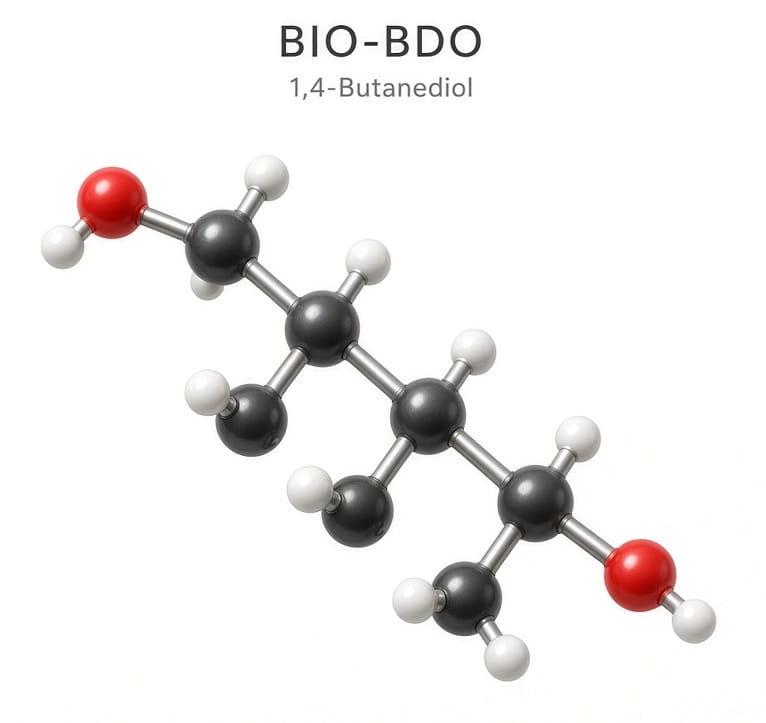
Hyosung TNC has started supplying bio-based 1,4-butanediol (Bio-BDO) from a new production facility in Vietnam, marking a significant expansion of the company’s sustainable materials business. The move highlights the South Korean textile and performance materials producer’s long-term strategy to diversify beyond traditional synthetic fibers and strengthen its position in lower-carbon industrial materials.
The Vietnam Bio-BDO facility begins with an annual production capacity of 50,000 tonnes and has infrastructure designed for expansion up to 200,000 tonnes. Industry reports indicate the broader regional investment tied to the project could total around $1 billion.
What Is Hyosung TNC?
Hyosung TNC is one of the world’s largest producers of spandex, supplying stretch materials used in sportswear, denim, lingerie, and athleisure products sold globally.
The company operates across multiple segments within the textile and industrial materials supply chain, including:
- Spandex and elastane fibers
- Polyester yarns
- Nylon materials
- Industrial textiles
- Specialty performance fibers
- Chemical intermediates
Hyosung TNC is listed on the Korea Exchange under ticker 298050 and generates revenue from customers across Asia, Europe, and North America.
Why the Vietnam Bio-BDO Plant Matters
The launch of the Vietnam Bio-BDO facility represents more than a simple capacity increase. It signals Hyosung TNC’s deeper push into sustainable chemicals and bio-based industrial materials.
Bio-BDO is a chemical intermediate used in the production of:
- Bioplastics
- Elastic polymers
- Specialty coatings
- Engineering materials
- Sustainable textile applications
It can also support production of polybutylene succinate (PBS), a biodegradable polymer increasingly discussed in packaging and industrial sustainability initiatives.
As apparel brands and manufacturers face pressure to reduce carbon emissions and increase recycled or bio-based material usage, suppliers capable of producing sustainable feedstocks may gain a stronger competitive position.
Hyosung TNC’s Core Revenue Drivers
Spandex Remains the Main Business
Spandex continues to be Hyosung TNC’s largest revenue contributor. Demand is heavily linked to global apparel trends, particularly:
- Athletic wear
- Performance apparel
- Denim
- Stretch fabrics
- Outdoor clothing
Because the company supplies major apparel manufacturing regions, it benefits from broad exposure to global consumer demand cycles.
Polyester and Industrial Materials
The company also produces polyester and nylon yarns used in:
- Automotive textiles
- Tire reinforcement materials
- Industrial belts
- Airbags
- Technical fabrics
These segments provide diversification outside fashion and retail demand.
However, profitability in synthetic fibers remains closely tied to:
- Petrochemical feedstock prices
- Energy costs
- Manufacturing efficiency
- Global trade conditions
Sustainable Materials Are Becoming Strategically Important
Global textile and chemical companies are increasingly investing in lower-carbon materials as governments and multinational brands push sustainability targets.
Hyosung TNC has already expanded into:
- Recycled polyester
- Sustainable spandex products
- Lower-impact textile materials
- Circular economy initiatives
The Vietnam Bio-BDO expansion fits directly into this transition.
The modular design of the plant also allows gradual capacity increases if demand for bio-based materials accelerates in coming years.
Why Vietnam Is a Strategic Location
Vietnam has become one of the most important global apparel manufacturing hubs, supplying major international fashion and sportswear brands.
Locating the Bio-BDO facility in Vietnam offers several potential advantages:
- Proximity to textile manufacturing supply chains
- Export access to North America and Europe
- Lower operating costs compared with some regional markets
- Expanding industrial infrastructure
- Strong integration with global apparel sourcing networks
For Hyosung TNC, the location may improve supply chain flexibility while strengthening relationships with multinational customers seeking sustainable sourcing solutions.
Industry Trends Supporting Bio-Based Chemicals
The global synthetic fiber and petrochemical industries are undergoing structural changes driven by:
- Decarbonization policies
- ESG investment trends
- Circular economy regulations
- Demand for recycled materials
- Lower-emission manufacturing requirements
Many global apparel brands now publish sustainability targets tied to emissions reduction and bio-based content usage.
This creates opportunities for suppliers capable of scaling sustainable materials without sacrificing performance or supply reliability.
At the same time, competition in bio-based chemicals is intensifying. Producers across Asia, Europe, and North America are investing heavily in sustainable polymers and specialty materials.
Hyosung TNC’s scale in spandex manufacturing could provide advantages in integrating bio-based materials into existing textile supply chains.
Why Hyosung TNC Matters to Global Investors
Although Hyosung TNC trades in South Korea, its business has broad international exposure.
The company supplies materials used by global apparel, automotive, and industrial brands, including companies with significant US market exposure.
For international investors, Hyosung TNC provides insight into several long-term themes:
- Sustainable textiles
- Bio-based chemicals
- Global apparel supply chains
- Industrial decarbonization
- Advanced materials manufacturing
The Vietnam Bio-BDO project may also position the company to benefit if demand for sustainable polymers and lower-carbon industrial materials continues to expand globally.
Risks Investors Should Watch
Despite growth opportunities, investors should also monitor several risk factors:
- Volatility in raw material prices
- Currency fluctuations involving the Korean won
- Slower-than-expected adoption of bio-based materials
- Global apparel demand weakness
- Competitive pressure in specialty chemicals
- Regional economic slowdowns
The pace at which sustainable materials become commercially scalable remains a key uncertainty for the industry.
Conclusion
Hyosung TNC’s launch of Bio-BDO supply from Vietnam marks an important step in the company’s transition toward sustainable materials and specialty chemicals.
While spandex and textile fibers remain the foundation of its business, the expansion into bio-based intermediates highlights a broader strategy focused on long-term industrial sustainability trends.
As global brands continue seeking lower-carbon supply chains and bio-based materials, Hyosung TNC’s Vietnam investment could strengthen its role within the international textile and performance materials market.
More…