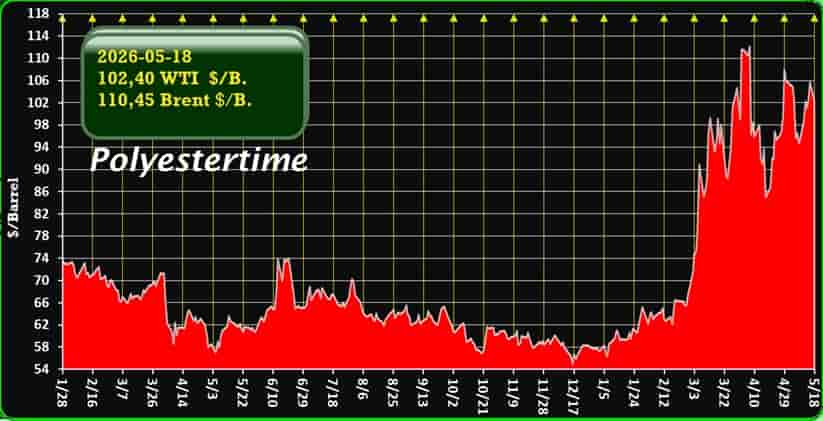
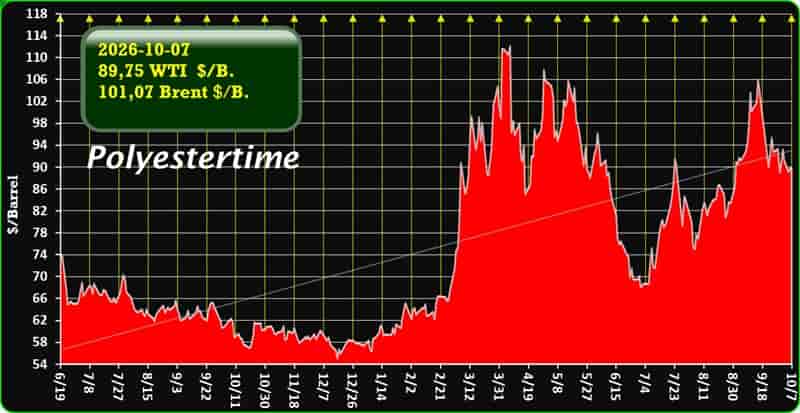
Oil Prices Surge as US-Iran Conflict Escalates: Brent Above $111 and WTI Near $103
Oil Prices and US-Iran War
Oil Prices Surge as US-Iran Tensions Shake Global Markets
Brent Above $111 as Energy Markets React to Middle East Tensions
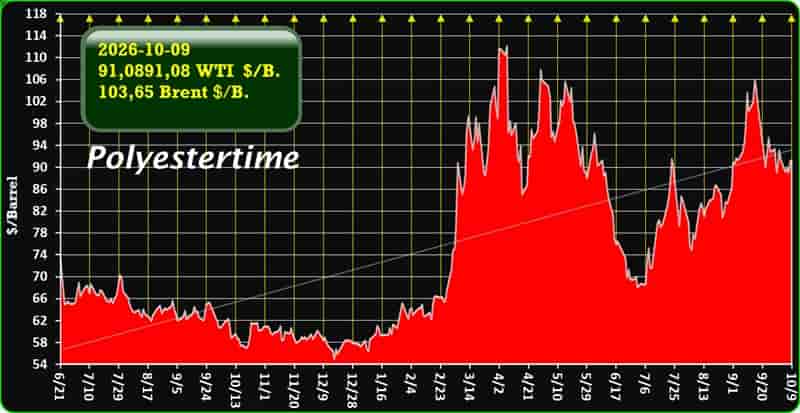
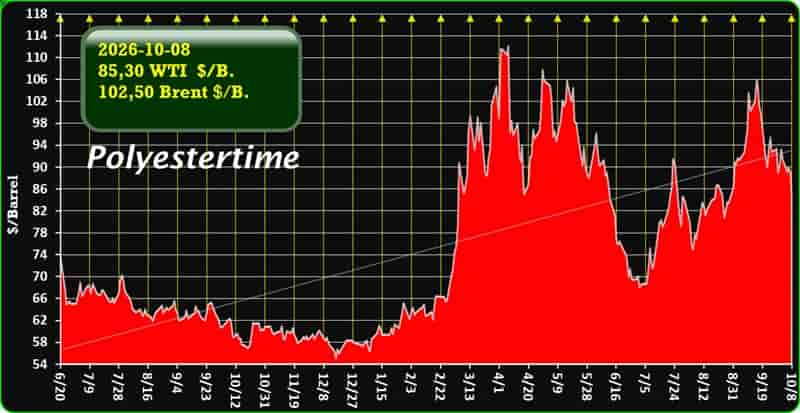
Global oil markets are under intense pressure as geopolitical tensions between the United States and Iran continue to escalate. Brent crude is trading around $111 per barrel, while West Texas Intermediate (WTI) remains near $103, reflecting growing fears of supply disruptions across the Middle East.
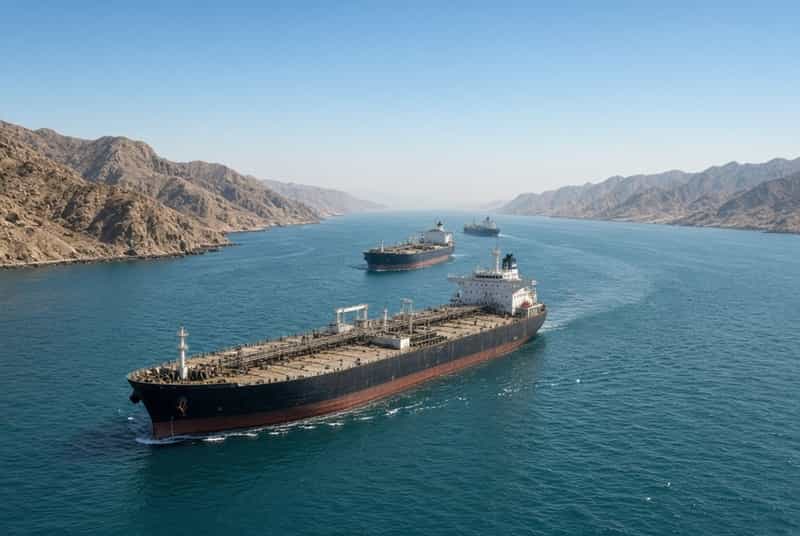
Investors are increasingly concerned about instability around the Strait of Hormuz, one of the world’s most important oil shipping routes. Any prolonged disruption in the region could significantly reduce global crude exports and place additional pressure on fuel prices worldwide.
Recent reports from Reuters and other major financial outlets indicate that markets are reacting not only to military risks, but also to the possibility of a prolonged diplomatic deadlock between Washington and Tehran.
Why Oil Prices Are Rising So Quickly
The current rally in oil prices is being driven by several overlapping factors:
1. Fear of Supply Disruptions
The Strait of Hormuz handles a substantial portion of the world’s seaborne crude oil shipments. Any threat to shipping traffic immediately increases market anxiety and drives futures prices higher.
2. Escalating Military Risks
Reports of drone attacks and growing military activity across the Gulf region have amplified concerns that critical infrastructure could become direct targets.
3. Limited Diplomatic Progress
Negotiations aimed at reducing tensions between the US and Iran have shown little progress in recent weeks. Analysts increasingly believe the market is pricing in a longer-term crisis rather than a temporary shock.
4. Inflation Concerns
Higher energy prices increase transportation and manufacturing costs globally. Financial markets fear that sustained oil prices above $100 could reignite inflation across major economies.
The Global Economic Impact
Fuel Prices Could Rise Further
Consumers may soon feel the effects at gas stations and in household energy bills. Historically, crude oil spikes tend to push gasoline, diesel, shipping, and airline costs significantly higher.
In Europe and the United States, rising oil prices are already creating concerns about renewed inflationary pressure. Analysts warn that if Brent crude remains above $110 for an extended period, central banks may delay interest rate cuts or even tighten monetary policy again.
Markets Are Becoming Increasingly Volatile
Financial markets are reacting sharply to developments in the Middle East. Global stock indexes have shown increased volatility while bond yields continue to rise as investors reassess inflation expectations.
Energy companies and oil producers have generally benefited from the rally, while sectors heavily dependent on fuel costs — including airlines, transportation, and manufacturing — face growing pressure.
Investors are also watching OPEC and major oil-producing nations closely to see whether emergency production measures could stabilize prices.
What Happens Next?
Several scenarios could shape oil prices over the coming weeks:
Scenario 1: Diplomatic De-escalation
If negotiations resume successfully and shipping routes remain open, oil prices could retreat below current levels relatively quickly.
Scenario 2: Prolonged Stalemate
A prolonged geopolitical standoff could keep Brent crude above $100 for months, sustaining inflation concerns globally.
Scenario 3: Wider Regional Conflict
Any direct attacks on major oil infrastructure or shipping lanes could trigger another sharp spike in crude prices, potentially pushing Brent toward $120 or higher.
Why the Strait of Hormuz Matters So Much
The Strait of Hormuz is one of the most strategically important energy chokepoints in the world. A large percentage of global crude exports passes through this narrow waterway every day.
Even limited disruptions can have major consequences for:
- Global fuel prices
- Shipping and logistics costs
- Airline ticket prices
- Manufacturing supply chains
- Inflation and central bank policy
Because the global economy remains highly dependent on stable energy flows, markets react aggressively to any instability in the region.
Final Thoughts
The sharp rise in Brent and WTI crude prices reflects far more than short-term market speculation. Investors are increasingly pricing in geopolitical risk, supply uncertainty, and the possibility of prolonged instability in the Middle East.
While diplomatic solutions remain possible, markets currently appear focused on worst-case scenarios involving energy supply disruptions and renewed inflation pressure.
For consumers, businesses, and investors alike, the coming weeks could prove critical for understanding whether this is a temporary oil spike or the beginning of a broader global energy shock.