Pakistan rPET Recycling: Ismail Resin Expands Bottle-to-Bottle Circular Packaging
Pakistan rPET Recycling Gains Scale as Ismail Resin Advances Bottle-to-Bottle Circular Packaging
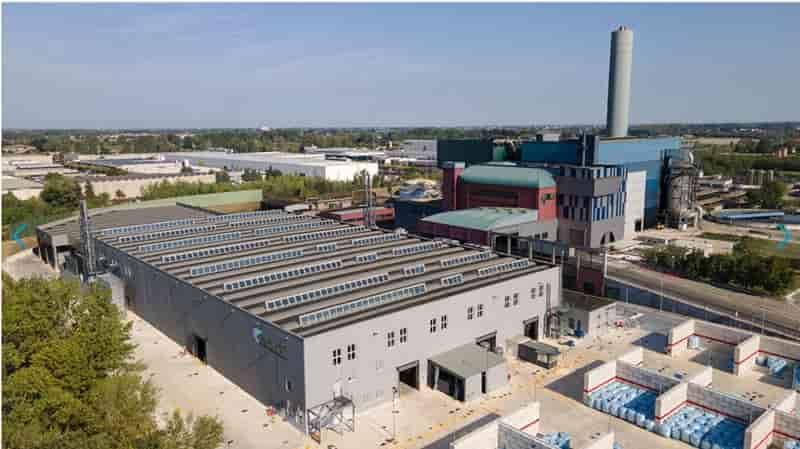
Pakistan’s recycled plastics sector is moving toward a more industrial and quality-driven phase. Ismail Resin Pvt. Ltd., part of Ismail Industries and based in Karachi, has commissioned a new Starlinger recoSTAR PET 215 art bottle-to-bottle recycling system designed to transform used PET bottles into food-grade recycled PET.
The project gives Pakistan rPET recycling a stronger link between local bottle collection, high-quality processing, and circular packaging demand from beverage and packaging producers.
At full scale, the initiative is expected to support the recovery of around 40,000 tons of PET bottle scrap per year. The recycling line can produce up to 3,000 kg of food-contact rPET per hour, equal to more than 24,000 tons of annual output.
Why this investment matters
PET bottles are one of the most visible forms of plastic packaging waste. They are also one of the most recyclable plastic formats when collection, sorting, and processing systems are properly organized.
Ismail Resin’s investment matters because it moves beyond basic plastic recovery. The facility is focused on bottle-to-bottle recycling, where used PET bottles are processed into recycled material suitable for new packaging applications.
This is a higher-value circular economy model. Instead of converting bottles into lower-grade products, the process helps keep PET within the packaging supply chain.
For Pakistan, this is an important development. The country already has an active recycling network, but much of it depends on informal collection. A food-grade rPET plant can create stronger demand for collected PET bottles and give recovered material a clearer route into formal manufacturing.
Turning local PET waste into food-grade rPET
The new system will process post-consumer PET bottles collected mainly from the metropolitan areas of Karachi and Hyderabad. These regions generate large volumes of packaging waste and are central to Pakistan’s urban recycling flows.
The goal is not only to recover more plastic, but to produce recycled PET that meets the quality expectations of food and beverage packaging producers.
Food-grade rPET requires strict decontamination, reliable intrinsic viscosity control, consistent pellet quality, and compliance with relevant food-contact standards. These requirements are essential for applications such as bottled water and carbonated soft drinks.
That is why the technology choice is significant. Starlinger’s bottle-to-bottle systems are widely used for high-quality PET recycling, particularly where regulatory compliance and food-contact safety are central to the business model.
A bridge between informal recovery and formal circular manufacturing
Pakistan’s recycling system is strongly supported by waste pickers, aggregators, traders, and recyclers. This informal sector plays a major role in collecting reusable materials before they enter landfill or unmanaged disposal channels.
However, informal collection alone cannot meet the demands of global packaging supply chains. Brand owners and packaging converters increasingly require traceability, certified processes, stable quality, and documented food-safety compliance.
Ismail Resin’s project can help bridge that gap.
By creating a large-scale industrial destination for used PET bottles, the plant may improve the value of collected material and strengthen the recycling chain around Karachi and Hyderabad. This can support livelihoods while also improving resource efficiency.
The result is a more structured circular model: bottles are collected, processed, decontaminated, converted into food-grade rPET, and supplied back to packaging producers.
Why rPET demand is rising
The timing of this project reflects a wider global trend. Recycled PET is no longer driven only by voluntary environmental commitments. It is increasingly linked to regulation, procurement requirements, and brand-level sustainability targets.
In Europe, PET beverage bottles are already subject to recycled-content requirements. The rules around how recycled content is calculated, verified, and sourced are becoming more detailed. This is increasing the importance of certified and traceable rPET supply.
At the same time, global rPET markets remain competitive. Recyclers face pressure from virgin PET pricing, imports, inconsistent collection quality, and changing demand from packaging and textile sectors.
This creates both risk and opportunity.
For producers that can deliver reliable, food-grade recycled material, demand from beverage companies and packaging manufacturers is likely to remain strategically important. For markets such as Pakistan, domestic rPET production can help reduce dependence on imported recycled material while supporting local circular economy development.
Ismail Resin’s sustainability and ESG strategy
Ismail Resin’s move into bottle-to-bottle recycling fits into a broader sustainability and ESG agenda. The company is positioning recycled PET as a material that can help brands reduce environmental impact, support responsible packaging, and meet changing expectations from customers and regulators.
The facility is expected to serve both domestic and export markets. Potential applications include bottled water, carbonated soft drinks, and other packaging formats where food-grade recycled PET is required.
The company has already achieved certifications including FSSC, Halal, ISO 9001, and ISO 14001. Additional compliance processes are also in progress, including occupational health, ethical trade, and EU-related requirements.
This certification pathway is important because packaging buyers need confidence that recycled material is safe, consistent, and compliant with international expectations.
A stronger circular packaging base for Pakistan
The environmental case for the project is clear. Recovering around 40,000 tons of PET bottle scrap per year can reduce plastic leakage, lower dependence on virgin raw materials, and keep valuable polymer resources in use for longer.
The economic case is also important. A high-quality rPET facility can create demand for better collection, sorting, and aggregation. It can also help local packaging producers respond to brand-owner pressure for recycled content.
This is especially relevant as global packaging companies look for suppliers that can combine cost competitiveness with sustainability performance.
For Pakistan, the project may become a reference point for how plastic recycling can move from fragmented recovery to industrial circularity.
What still needs to happen
The success of Pakistan rPET recycling will depend on more than one facility. To scale the model, the country will need stronger collection systems, cleaner sorting streams, investment in recycling infrastructure, and clearer policy support for circular packaging.
Brand owners also have a major role to play. Long-term commitments to buy certified rPET can give recyclers the confidence to invest in capacity and improve quality.
Without stable demand, recycling plants face pricing pressure and uncertainty. With stable demand, they can become part of a more resilient packaging ecosystem.
Outlook
Ismail Resin’s Starlinger-backed bottle-to-bottle recycling project marks an important step for Pakistan’s circular economy.
It shows that PET bottle waste can be treated not simply as a disposal problem, but as a valuable raw material for new packaging. It also demonstrates how local collection networks, advanced recycling technology, and international compliance standards can work together.
For packaging producers, the message is direct: food-grade rPET is becoming a strategic material.
For Pakistan, the opportunity is larger. If collection, certification, regulation, and brand demand continue to develop, Pakistan rPET recycling can become a stronger part of the global circular packaging supply chain.
More…