EU Imposes Duties on Chinese Polyamide Yarn
EU Imposes Anti-Dumping Duties on Chinese Polyamide Yarn
The European Union has introduced definitive anti-dumping duties on polyamide yarn imported from China, after concluding that the products were being sold in Europe at unfairly low prices.
The new EU polyamide yarn duties range from 60% to 67.6%, depending on the Chinese exporting producer. The measures are intended to restore fair competition in a European market valued at approximately €400 million.
The European Commission announced the decision on 28 July 2026, following an investigation launched on 29 July 2025. The definitive measures were established under Commission Implementing Regulation (EU) 2026/1823. EU polyamide yarn duties
Why the European Union introduced the duties
Anti-dumping duties are used when an investigation determines that imported goods are being sold below their normal value and that these imports are causing material injury to producers within the European Union.
In this case, the Commission confirmed its earlier finding that Chinese polyamide yarn had entered the EU market at dumped prices. It also concluded that the pricing pressure was damaging European manufacturers.
The affected European industry directly employs around 2,000 people across Croatia, Italy, Romania, Slovenia and Spain. These countries host producers that must compete not only on product quality and performance, but also against imported yarn offered at prices the Commission determined were unfair.
What products are covered?
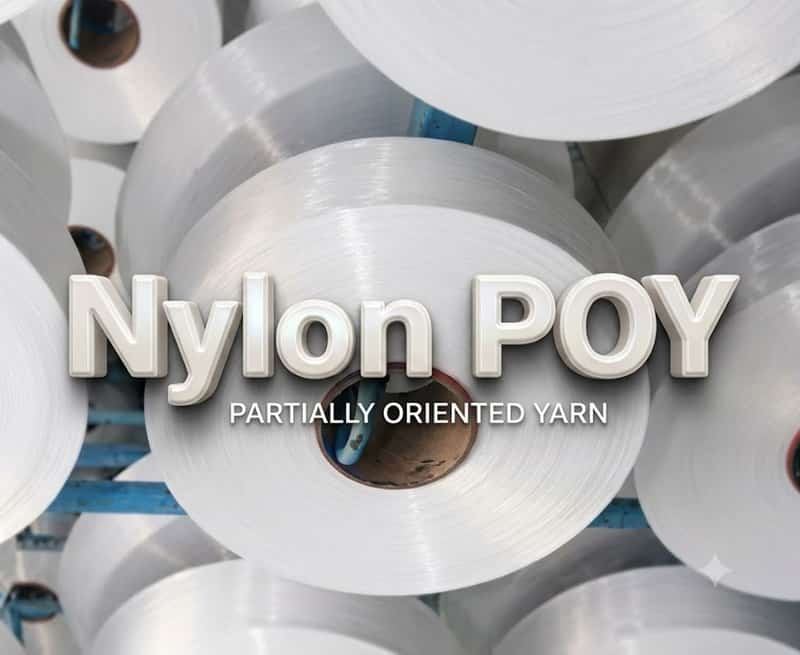
The measures concern yarns made from polyamide, a family of synthetic polymers that includes materials commonly described as nylon.
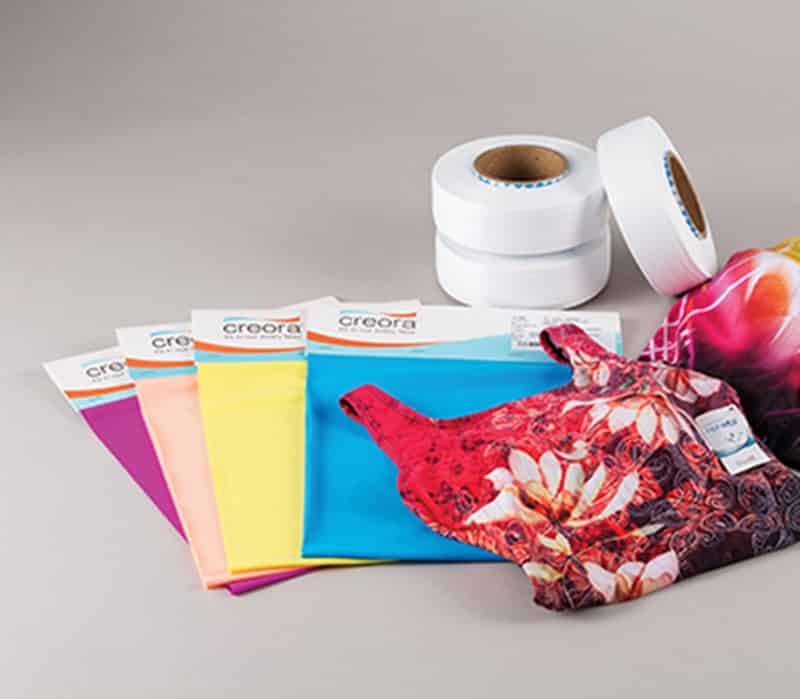
Polyamide yarn is used extensively in textile manufacturing because of its strength, elasticity, abrasion resistance and versatility. Its principal applications include:
-
Sportswear and performance clothing
-
Hosiery
-
Swimwear
-
Outerwear
-
Furnishing textiles
-
Medical products
-
Technical and industrial textiles
The scope is therefore wider than the fashion market alone. Changes in the cost and availability of polyamide yarn can also affect manufacturers of specialist fabrics, household products and medical materials.
Duties of up to 67.6%
The definitive anti-dumping rates are not identical for every supplier. Depending on the exporting company, the duty applied to covered Chinese imports ranges from 60% to 67.6%.
These charges are added when the goods enter the EU customs territory. Their purpose is to offset the price advantage attributed to dumping, rather than to prohibit Chinese products from entering the European market.
The definitive regulation also provides for the collection of the provisional duties introduced in March 2026. Those provisional measures were applied while the Commission completed the final phase of its investigation.
Concerns raised by downstream manufacturers
The investigation did not focus exclusively on European yarn producers. Importers, textile businesses, user associations and Chinese exporters were able to submit comments and request hearings.
Some downstream businesses argued that the duties could increase their raw-material costs or affect access to particular types of yarn. The Commission examined requests to exclude certain yarn specifications, including products described as not being manufactured within the EU.
Those requests were rejected where the Commission found that equivalent or interchangeable products were already manufactured by European companies, or could be produced using existing equipment.
This highlights the central trade-off behind the measure. Higher import costs may support European yarn production, but companies that rely on Chinese materials could face increased purchasing costs or have to adjust their supply chains. EU polyamide yarn duties
Part of a broader EU trade-defence strategy
The polyamide yarn decision follows another recent EU measure affecting the nylon supply chain.
On 5 May 2026, the Commission imposed definitive anti-dumping duties of between 29.1% and 42.3% on adipic acid imported from China. Adipic acid is an industrial chemical used in the production of Nylon 66 and polyester polyols.
The Commission said Chinese adipic acid imports were also entering the European market at dumped prices and damaging an EU industry employing more than 1,100 people in France, Germany and Italy.
The two cases cover different products and resulted from separate investigations. Taken together, however, they demonstrate increased scrutiny of Chinese imports affecting Europe’s chemical, polymer and textile manufacturing chains.
What happens next?
EU importers must account for the definitive duties when sourcing covered polyamide yarn from China. Textile manufacturers may consequently review supplier contracts, customs classifications and purchasing strategies.
European producers could benefit from reduced price pressure, although the longer-term effect will depend on demand, energy costs, production capacity and the ability of EU manufacturers to supply the specifications required by downstream customers.
The regulation is directly applicable across all EU member states. Companies importing polyamide yarn should therefore verify the product scope, applicable customs codes, exporting producer and corresponding duty rate before calculating future import costs.
Key facts
Measure: Definitive EU anti-dumping duties
Product: Polyamide yarn, commonly associated with nylon yarn
Country of origin: People’s Republic of China
Duty range: 60% to 67.6%
EU market value: Approximately €400 million
Direct EU employment affected: Around 2,000 jobs
Main producing countries: Croatia, Italy, Romania, Slovenia and Spain
Definitive regulation: Commission Implementing Regulation (EU) 2026/1823
Publication date: 29 July 2026
More…