Shock Closure: Leuna Polyamid Collapses After Failed Rescue Attempt
Leuna Polyamid insolvency
Shock Closure: Leuna Polyamid Collapses After Failed Rescue Attempt
The final attempt to salvage one of Germany’s iconic chemical manufacturing plants has officially failed, putting hundreds of jobs on the line and signaling deeper troubles for the European industrial economy.
The Final Collapse of a Chemical Giant
The industrial landscape in Saxony-Anhalt has suffered a severe blow following the total shutdown of Leuna-Polyamid GmbH. Despite intensive efforts across spring and summer to secure a long-term future for the historic plant, the district court in Halle (Saale) formally opened regular insolvency proceedings on October 1, 2026, marking the end of all commercial operations.
With no buyer or strategic investor stepping forward, insolvency administrator Prof. Dr. Lucas F. Flöther was appointed to manage the orderly liquidation of company assets. The plant’s closure directly impacts approximately 440 specialized workers, all of whom are slated to receive formal termination notices during October, with contracts officially terminating in early 2027. Leuna Polyamid insolvency
From Rescue Effort to Rapid Downfall
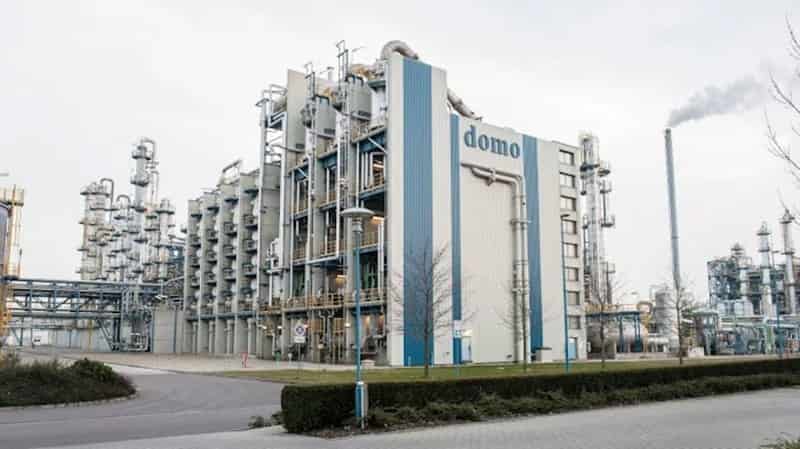
The swift collapse of Leuna-Polyamid stands as a cautionary tale of economic volatility in Europe’s energy-intensive sectors. On April 1, 2026, Leuna-Polyamid GmbH was formed to acquire the assets of insolvent predecessor Domo Caproleuna GmbH. Backed by established local stakeholders including Leuna-Harze GmbH and InfraLeuna GmbH, the takeover was initially celebrated as a triumph that safeguarded more than 430 industrial roles.
However, the sense of security proved short-lived. By mid-June—just eleven weeks after the initial acquisition—the new entity was forced to file for self-administered insolvency.
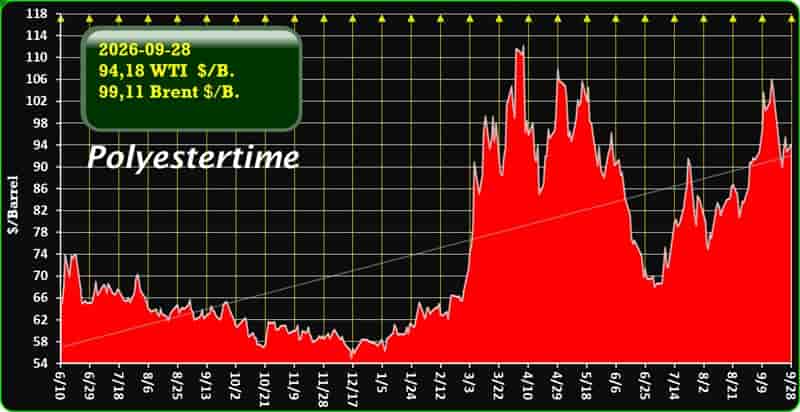
Soaring raw material expenses, sharp spikes in energy overhead, and acute liquidity shortages severely undermined the new management’s financial runway. Leuna Polyamid insolvency
Geopolitical Shocks and Soaring Utility Costs
The underlying factors behind the plant’s demise stretch far beyond internal mismanagement. Following the spring acquisition, international conflicts and supply chain bottlenecks triggered severe cost increases for core raw feedstocks. Procurement costs for critical precursor materials jumped anywhere from 40 to 80 percent, while energy prices climbed steeply.
Compounding these financial pressures, primary suppliers demanded upfront cash payments due to the legacy risk of the plant’s prior bankruptcy. Without a deep cash reserve to buffer these demands, working capital eroded almost overnight.
Furthermore, intense pricing pressure from overseas manufacturers, particularly low-cost Chinese nylon producers, prevented Leuna-Polyamid from passing higher input costs on to its customer base.
Step-by-Step Decommissioning and Environmental Safety
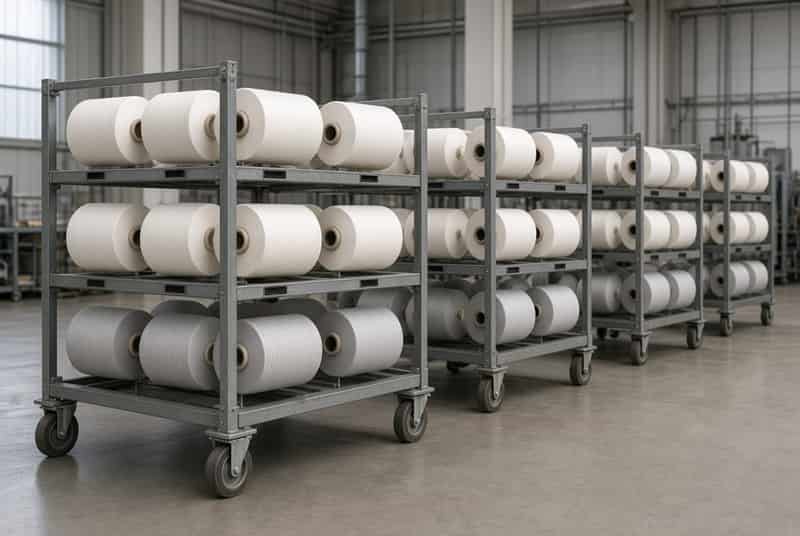
Shutting down a complex chemical facility is a delicate process that requires weeks of skilled technical intervention. Production was systematically scaled back throughout late September, with the final commercial batches of Polyamid 6 (Nylon 6), Caprolactam, and organic intermediates leaving the facility in early October 2026.
Insolvency administrator Flöther released major portions of the plant infrastructure and real estate back to Leuna-Polyamid GmbH to limit ongoing estate liabilities. Because the insolvent firm lacks the resources to independently finance complete hazard prevention, state environmental agencies in Saxony-Anhalt have stepped in to oversee safety operations.
Retained plant workers will remain on-site through January 2027 to purge lines, neutralize chemicals, and safely secure heavy machinery. Leuna Polyamid insolvency
Broader Implications for Germany’s Chemical Cluster
The permanent loss of Leuna-Polyamid creates ripples across the broader integrated Leuna chemical complex. Integrated sites rely heavily on shared energy infrastructure, local byproduct exchange, and shared logistics pipeline networks. The withdrawal of a key producer degrades these economies of scale, raising unit costs for remaining operators.
Local labor authorities and regional bodies are coordinating career transition initiatives to help redirect affected chemical technicians, engineers, and plant operators into neighboring industrial facilities. Nevertheless, the closure underscores the systemic pressures threatening traditional European manufacturing hubs.
Key Takeaways for European Industrial Policy
The demise of Leuna-Polyamid serves as a stark warning for energy-intensive manufacturing across Europe. High domestic utility costs, exposed global supply lines, and aggressive foreign competition mean that financial restructuring alone cannot guarantee survival without structural price competitiveness.
As regional hubs adapt to shifting market realities, safeguarding foundational chemical supply chains remains a vital priority for economic policymakers. Leuna Polyamid insolvency
More…
,