European PET Bottle Prices: Market Trends and Industry Outlook
European PET Bottle Prices: Market Trends and Industry Outlook
European PET bottle prices are navigating a complex economic landscape driven by fluctuating raw material costs, shifting trade flows, and stringent sustainability mandates. Polyethylene Terephthalate (PET) remains the dominant material for beverage packaging across Europe, yet manufacturers, bottlers, and converters face unprecedented pricing pressures and regulatory shifts.
1. Current Price Trends in the European PET Market
The European virgin PET resin market has experienced steady fluctuations in recent months. Regional spot prices for virgin PET resin hover around €1,100 to €1,430 per metric ton ($1.10–$1.29/kg), reflecting a broader market shift following seasonal surges. European PET bottle prices
While upstream feedstocks—such as purified terephthalic acid (PTA) and monoethylene glycol (MEG)—have seen occasional cost inflation from geopolitical energy disruptions, downstream purchasing in Europe remains cautious. Ample domestic inventory, coupled with price-competitive Asian imports, has limited domestic producers’ ability to push through aggressive rate hikes.
2. Key Factors Shaping European PET Bottle Costs
Several structural variables directly dictate the cost of PET bottle preforms and finished containers across European markets:
-
Energy and Upstream Feedstock Dynamics: PET synthesis relies heavily on paraxylene derivatives. Energy price swings across the European continent directly impact the operational margins of local polymerization plants, leading domestic PTA producers to adjust run rates.
-
Import Pressures and Freight Volatility: Rising container shipping costs and supply route disruptions have influenced the landed cost of imported PET resin. When sea freight rates spike, Asian imports become less competitive, offering temporary margin relief to European producers.
-
Subdued Consumer Demand: High living costs across key Western European economies have resulted in conservative buying behavior from beverage brands, keeping inventory build-ups minimal.
3. Virgin PET vs. Food-Grade Recycled PET (rPET)
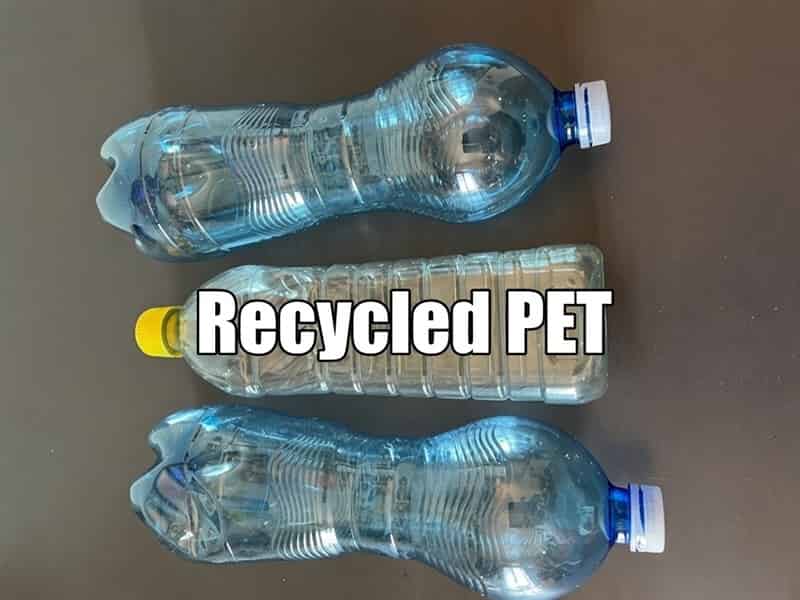
The pricing dynamic between virgin PET resin and food-grade recycled PET (rPET) continues to widen across the European Union. Driven by mandatory EU collection targets and recycled-content rules, demand for food-contact rPET flakes and pellets remains structural.
Because brand owners must meet strict recycled-content criteria, high-quality food-grade rPET frequently commands a premium over virgin resin. European food-grade rPET prices often sit noticeably above virgin equivalents, creating a split market where regulatory necessity supersedes pure cost-efficiency. European PET bottle prices
4. Industry Outlook and Strategic Recommendations
The European PET bottle market is expected to remain cost-sensitive as global energy markets, shipping rates, and regional regulatory pressures evolve. For buyers, converters, and brand managers, navigating this volatility requires proactive strategies:
-
Contract Diversification: Balancing long-term domestic supply agreements with strategic spot purchases provides hedge protection against freight spikes and local plant outages.
-
rPET Sourcing Security: Securing long-term rPET off-take agreements is vital to maintaining regulatory compliance without exposure to localized supply deficits.
-
Lightweighting Innovation: Packaging engineers continue to redesign preforms to reduce grammage per bottle, lowering total raw material consumption amid price volatility.
Market participants who closely monitor feedstock benchmarks, import freight indices, and recycling mandates will remain best positioned to optimize procurement in Europe’s evolving PET sector.
More…