Staggering Gulf Oil Export Recovery Hides Shocking Market Fragility
Staggering Gulf Oil Export Recovery Hides Shocking Market Fragility
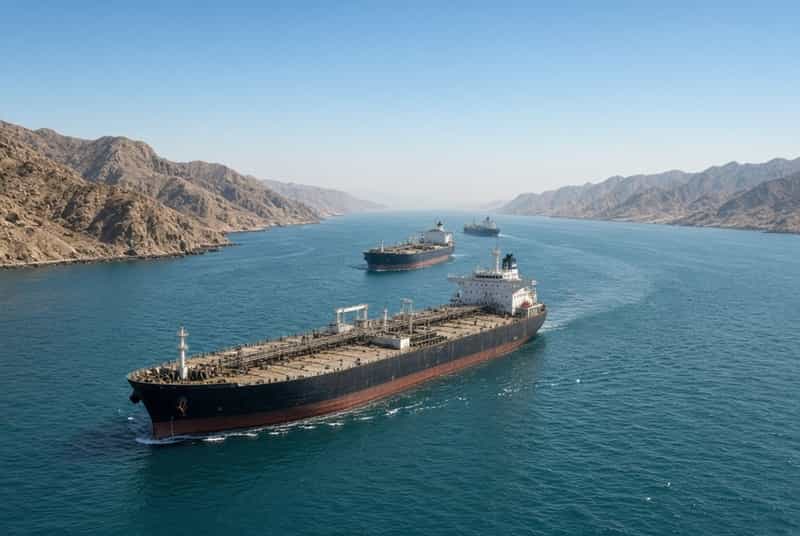
Maritime shipments from the Persian Gulf have staged a remarkable rebound following months of conflict-driven paralysis. Fresh tracker data reveals that crude oil and condensate shipments from the Middle East—excluding sanctioned Iranian barrels—rebounded in September to levels not seen since before recent military escalations threatened regional shipping. Yet behind this apparent operational recovery lies a fundamental structural overhaul of global energy supply chains that leaves markets exposed to lingering price shocks. Gulf oil export recovery
Bypassing the Strait: How Energy Logistics Transformed
Data provided by maritime analytics firm Kpler shows that crude and condensate exports reached 16.5 million barrels per day (mbd) during September. This represents a surge of 10.5 mbd from the severe disruptions logged in March, effectively restoring Gulf outflows to their pre-conflict baseline. However, the geographic flow of these supply lines has undergone an unprecedented shift.
Before conflict broke out across regional sea lanes, roughly 17% of Gulf oil exports relied on overland pipelines to bypass the vulnerable Strait of Hormuz. Today, that figure has expanded to 40%. Major energy exporters have pivoted toward terrestrial channels, routing millions of barrels around naval choke points to maintain commitments to international buyers.
Crucially, overland pipelines operating across the Arabian Peninsula have turned into primary lifelines. Saudi Arabia’s East-West Petroline—connecting eastern oil fields directly to the Red Sea port of Yanbu—resumed steady throughput in late September following repairs from regional drone strikes. Concurrently, the United Arab Emirates has maximized capacity along its Habshan-to-Fujairah pipeline, delivering crude directly to berths on the Gulf of Oman without traversing the narrow strait. Gulf oil export recovery
Persistent High Prices and Volatile Sea Routes
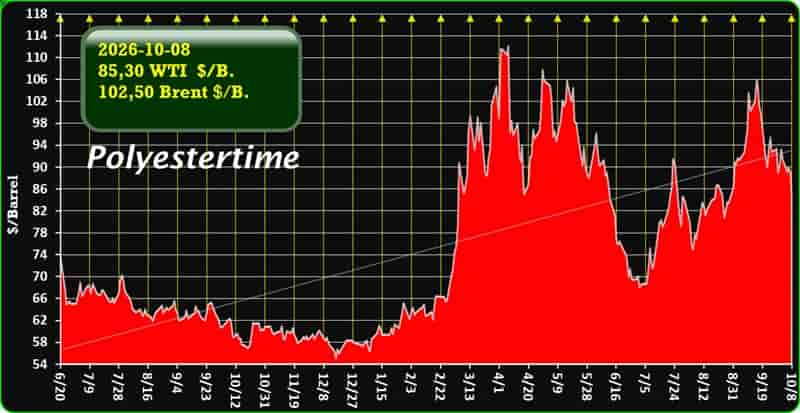
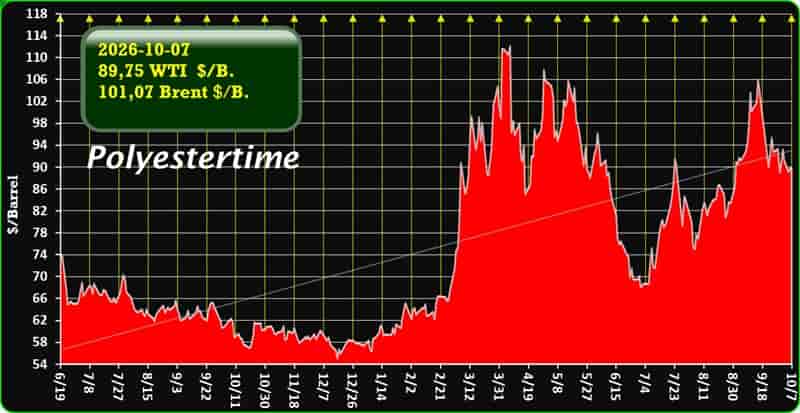
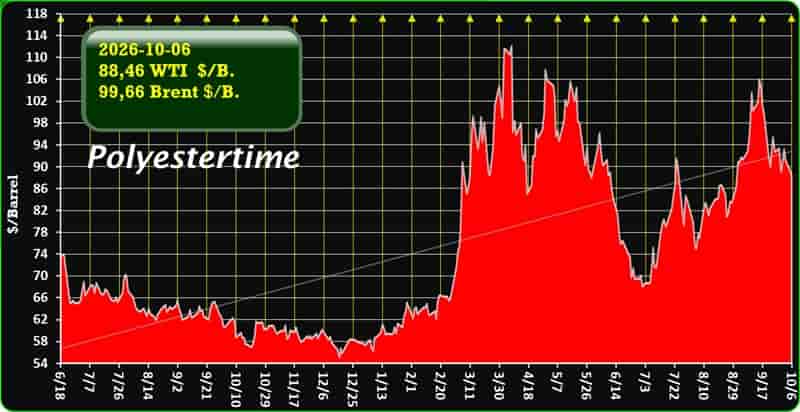
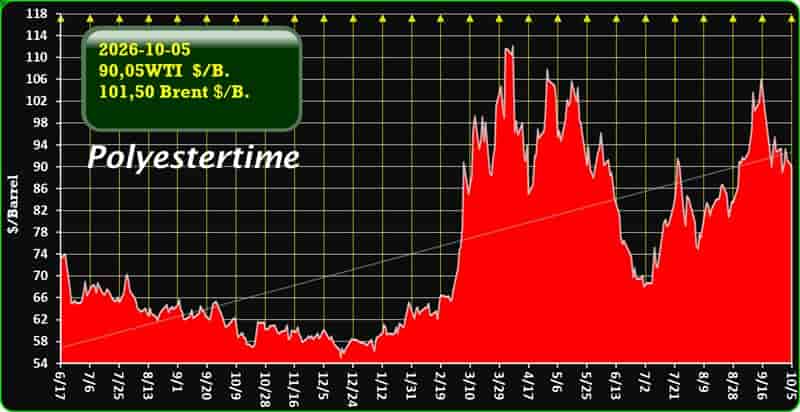
Despite the rebound in volume, crude oil prices remain elevated far above their pre-war baseline. International benchmark Brent crude trades near $102.25 per barrel for December delivery, while West Texas Intermediate (WTI) hovers around $90.50 per barrel. Before the conflict, Brent futures traded near $72 per barrel. Furthermore, specialized Middle Eastern grades like Murban crude have commanded high risk premiums, trading past $109 per barrel due to persistent security surcharges.
While an increasing number of commercial vessels manage transit through Hormuz, conditions remain perilous. Iranian naval forces continue to claim jurisdiction over the waterway, imposing strict authorization procedures and threatening non-compliant vessels. To navigate these risks, tanker operators increasingly utilize off-grid routing—often turning off automatic identification transponders (AIS) during transit or conducting mid-sea ship-to-ship transfers in open waters outside the Gulf. Gulf oil export recovery
OPEC+ Strategy and the Outlook for Global Energy
The operational recovery in crude shipments coincides with policy decisions from key oil producers. Seven primary members of the OPEC+ alliance—including Saudi Arabia, the United Arab Emirates, Russia, and Kuwait—recently confirmed that existing production quotas will remain unchanged through November. According to OPEC’s latest monthly assessments, combined output from these nations reached approximately 25 million barrels per day in August, up by 630,000 barrels daily from July.
While crude oil exports have recovered to roughly 81% to 91% of their historical averages across various grades, refined fuels such as diesel, gasoline, and liquefied petroleum gas (LPG) continue to lag at approximately 60% of pre-war capacity. Refined product deficits are compounding fuel costs across Asian and European markets, where refiners face ongoing inventory squeezes.
Industry analysts emphasize that while the Gulf’s logistics network has proven resilient, the current equilibrium is precarious. With Iranian exports restricted by U.S. port blockades and alternative pipeline infrastructure operating near maximum capacity, any new physical disruption could rapidly trigger another round of global supply shocks. Gulf oil export recovery
US-Iran War Oil Shock: Brent at $99/B and WTI at $88/B as Markets Weigh Gulf Supply Risks
More…