Nylon Yarn Upstream Stability Holds Ground Despite Sluggish Downstream Demand
Nylon Yarn Upstream Stability Holds Ground Despite Sluggish Downstream Demand
The global synthetic fiber sector continues to navigate a complex balancing act between input costs and end-use consumption. Across major chemical processing hubs in East Asia and beyond, nylon yarn upstream stability has emerged as a defining feature of the market landscape. While end-use sectors like textile weaving, apparel manufacturing, and home furnishings report sluggish purchasing activity, primary feedstocks such as caprolactam (CPL) and nylon 6 chips have effectively stabilized prices throughout the supply chain.
This price equilibrium highlights a significant shift in market dynamics. Rather than crashing under the weight of weak consumer demand, filament yarn suppliers and polymer producers are benefiting from steady production costs and balanced feedstock prices. Understanding how upstream feedstocks, downstream mills, and global trade flows interact provides valuable clarity on where synthetic fiber pricing is headed in the near term. Nylon Yarn Upstream Stability
1. Upstream Feedstocks Hold the Line
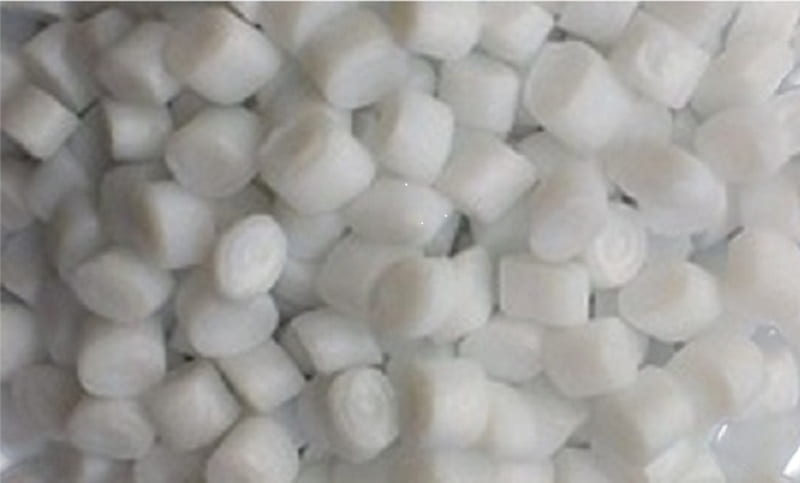
At the core of nylon yarn upstream stability is the cost control maintained across primary feedstocks. Caprolactam (CPL), the crucial intermediate chemical used to synthesize nylon 6 resin, has seen steady price ranges across East Asian chemical hubs. Domestic spot pricing for caprolactam liquid and solid compounds in China has traded within narrow bands, resisting dramatic price movements.
                     +---------------------------+
                     |      Benzene Feedstock    |
                     +-------------+-------------+
                                   |
                                   v
                     +---------------------------+
                     |     Caprolactam (CPL)     |
                     +-------------+-------------+
                                   |
                                   v
                     +---------------------------+
                     |       Nylon 6 Chips       |
                     +-------------+-------------+
                                   |
                                   v
                     +---------------------------+
                     | Nylon Filament Yarn (NFY) |
                     +---------------------------+
This stability in CPL stems directly from the raw material pricing of benzene. While Asian regional benchmarks for benzene experienced minor upward fluctuations and European markets softened slightly, the net shift was too modest to disrupt downstream polymer pricing. Because raw material costs have neither surged nor collapsed, nylon 6 chip producers have kept their offer rates consistent. This consistent floor in chip prices gives yarn spinners the support needed to maintain baseline offer rates. Nylon Yarn Upstream Stability
2. Downstream Demand Softens Across Weaving Hubs
While feedstock costs remain steady, downstream demand presents a starkly different picture. Weaving and knitting mills in major manufacturing hubs are operating with high caution. Apparel retailers, facing uncertain consumer spending and high inventory levels, are keeping purchasing orders tight and short-term.
| Supply Chain Level | Current Market State | Pricing Pressure |
| Upstream Benzene & CPL | Stable; minor regional fluctuations | Supported by production cost floors |
| Midstream Nylon 6 Chips | Flat; balanced supply and operating rates | Neutral; margins tightly squeezed |
| Downstream Weaving Mills | Weak; reduced operating rates | Negative; procurement limited to immediate needs |
| End-Use Apparel & Retail | Sluggish; hand-to-mouth purchasing | Negative; price resistance at retail level |
The lack of strong downstream buying usually triggers price discounting. However, because raw material costs remain firm, yarn producers cannot lower quotes without pushing operational margins into negative territory. As a result, many mills have adopted a “hand-to-mouth” purchasing strategy, buying raw material in small lots only to cover confirmed fabric orders rather than stockpiling inventory.
3. Supply Discipline Prevents Market Collapse
A major factor keeping prices stable amid weak demand is disciplined capacity management by nylon filament manufacturers. Rather than operating facilities at maximum capacity and flooding an unresponsive market, spinning mills have calibrated their operating rates to match actual order intake. Nylon Yarn Upstream Stability
This controlled supply strategy helps prevent excess inventory build-up at production sites. By keeping supply in check, suppliers can maintain quoted prices even when buying volume drops. Furthermore, major chemical manufacturers have scheduled plant maintenance routines during periods of low demand, temporarily reducing caprolactam production to preserve the market balance.
4. Key Factors Driving the Near-Term Outlook
Looking ahead, several macro factors will decide whether nylon yarn upstream stability holds or gives way to price shifts:
-
Energy & Freight Volatility: Global shipping adjustments and energy price fluctuations directly impact chemical synthesis costs, which could alter upstream caprolactam margins.
-
Seasonal Apparel Restocking: The arrival of upcoming retail production cycles may spark renewed buying interest from fabric manufacturers.
-
Engineering Plastics Alternatives: Beyond textiles, automotive and electrical demand for nylon 6 resins provides a secondary demand floor, absorbing excess polymer capacity.
If feedstock costs hold their current line and downstream mills begin seasonal restocking, nylon yarn producers could see a gradual recovery in margins. Conversely, if raw material prices ease while weaving activity stays flat, suppliers may face pressure to adjust final yarn offers downward. Nylon Yarn Upstream Stability
Can Caprolactam’s 8% Surge Push Nylon Yarn prices Even Higher?
More…