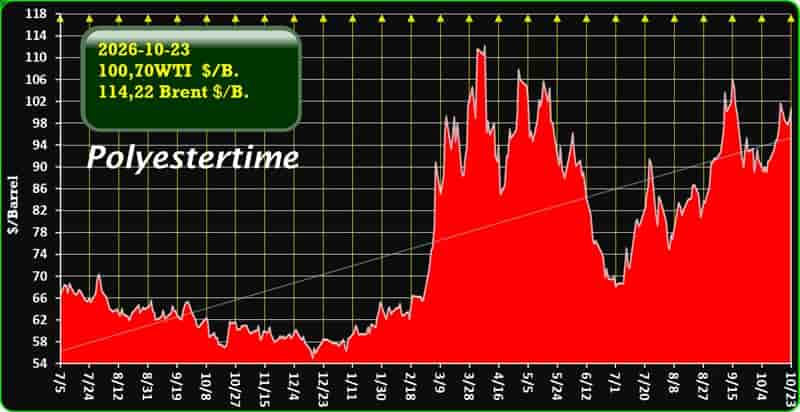
US-Iran Conflict and Global Oil Markets: Escalation Risks Push Brent to $111 and WTI to $102
US Iran oil shock
US-Iran Conflict and Global Oil Markets: Escalation Risks Push Brent to $111 and WTI to $102
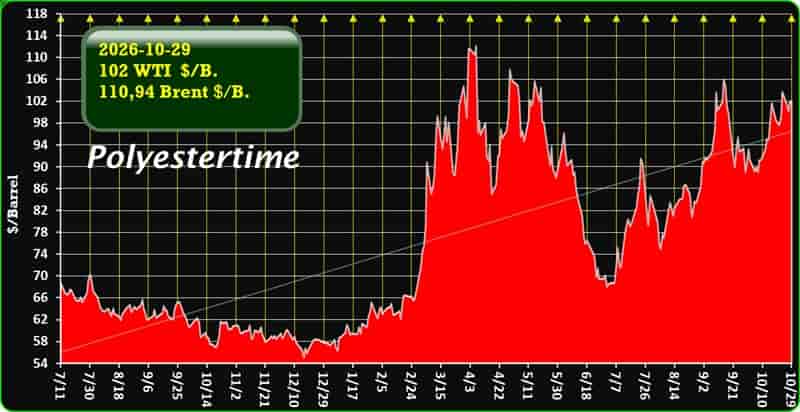
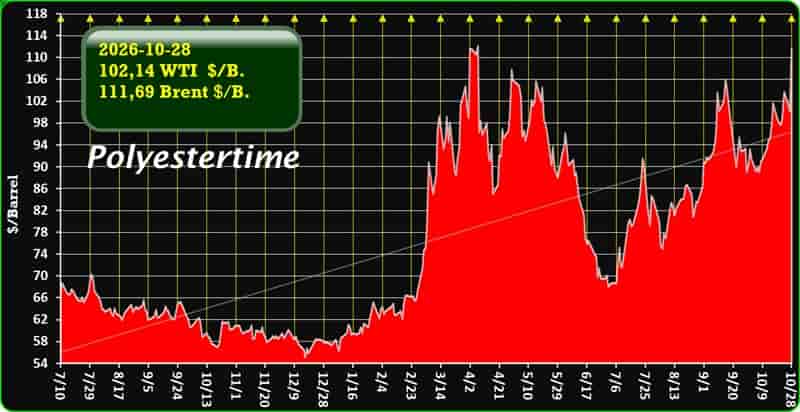
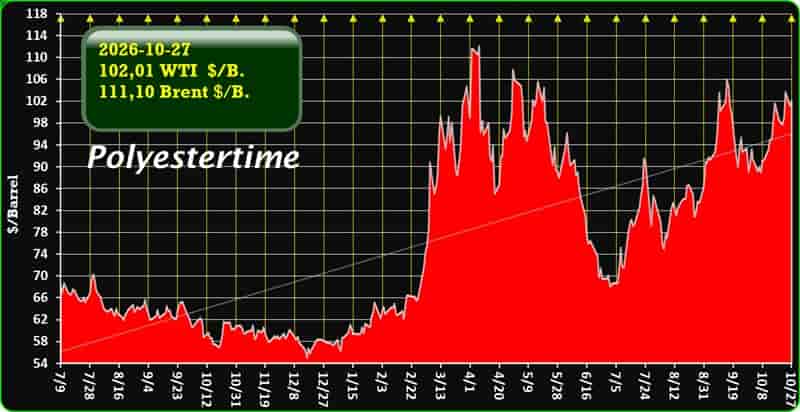
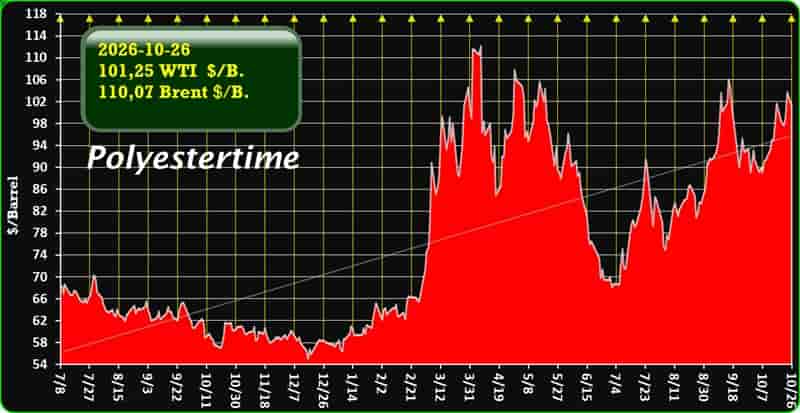
Geopolitical tensions in the Middle East have once again positioned global energy markets at a critical juncture. With active military friction and elevated war risk premiums surrounding the conflict involving the United States, Israel, and Iran, physical supply pathways out of the Persian Gulf remain subject to severe volatility. International benchmark Brent crude hovers around $111 per barrel, while West Texas Intermediate (WTI) trades near $102 per barrel.
Market participants find themselves constantly calibrating positions between two distinct forces: immediate physical supply risks caused by regional infrastructure disruptions and short-term price pullbacks whenever rumors of diplomatic channels emerge. This analysis breaks down the drivers of current crude pricing, the mechanical risks to major transit chokepoints, and the broader macroeconomic fallout facing global consumers. US Iran oil shock
1. The Anatomy of Current Oil Pricing: Brent at $111 vs. WTI at $102
The price differential between European Brent crude and American WTI crude reflects distinct regional fundamentals and shipping risk dynamics. Brent, the international benchmark, trades at a significant premium near $111 per barrel. Because Brent reflects crude delivered via sea freight, it directly incorporates high maritime insurance rates, tanker detour costs, and war-risk premiums for vessels operating in the Middle East and surrounding waters. US Iran oil shock
WTI crude, trading around $102 per barrel, reflects domestic supply conditions in the United States. While American benchmark prices track global market sentiment, domestic production capacity acts as a relative buffer against direct maritime disruption. Nevertheless, a $102 WTI price level underscores that US fuel markets remain far from insulated from global energy supply shocks.
+-----------------------------------------------------------------------+
|                       GLOBAL CRUDE BENCHMARKS                         |
+-----------------------------------------------------------------------+
| Benchmark | Current Price | Primary Driver                            |
+-----------+---------------+-------------------------------------------+
| Brent     | ~$111 / bbl   | Seaborne risk, Middle East supply shocks  |
| WTI       | ~$102 / bbl   | US domestic supply, global demand parity  |
+-----------------------------------------------------------------------+
2. Key Supply Chokepoints and Maritime Security
The core catalyst behind elevated crude futures is the persistent threat to critical transit routes in the Middle East. The Strait of Hormuz, located between Oman and Iran, serves as the passageway for approximately 20% of the world’s petroleum consumption. US Iran oil shock
                                  [ PERSIAN GULF ]
                                         |
                                         v
                            [ STRAIT OF HORMUZ ] <--- Critical Chokepoint
                                         |            (20% of Global Oil)
                                         v
                                  [ INDIAN OCEAN ]
                                         |
                       +-----------------+-----------------+
                       |                                   |
                       v                                   v
             [ ASIAN REFINERIES ]                [ EUROPEAN MARKETS ]
Military engagements and naval threats in this region elevate shipping friction in several measurable ways:
-
Escalating Hull Insurance Rates: Maritime insurers have adjusted war-risk premiums upward, significantly increasing the cost per barrel shipped through the Gulf.
-
Tanker Rerouting: Shipping lines are opting for longer routes around southern Africa where feasible, extending voyage transit times by weeks and tightening overall vessel availability.
-
Physical Shut-Ins: Intermittent military activity and infrastructure security threats have forced energy producers to throttle output, resulting in millions of barrels per day being temporarily withheld from international markets. US Iran oil shock
3. Diplomatic Friction vs. Physical Reality
Energy markets continue to experience erratic price swings driven by real-time headlines. Intelligence reports detailing high-level contacts or indirect negotiations—such as draft proposals by regional mediators or diplomatic outreach—frequently trigger immediate sell-offs in futures contracts as traders price in possible de-escalation.
However, these temporary drops tend to find strong support near key technical levels. Market analysts emphasize that fundamental supply tightness persists as long as physical infrastructure remains vulnerable. Until a verifiable ceasefire or long-term security agreement is established, supply deficits keep Brent firmly anchored above triple-digit thresholds. US Iran oil shock
4. Macroeconomic Consequences: Inflation and Central Bank Pressure
Crude oil priced above $100 per barrel exerts direct upward pressure on global inflation metrics. Because energy serves as a foundational input for transport, manufacturing, and agricultural distribution, sustained high prices rapidly transmit into consumer price indices (CPI) worldwide. US Iran oil shock
+-----------------------------------------------------------------------+
|                    INFLATION TRANSMISSION CHAIN                       |
+-----------------------------------------------------------------------+
| [ High Crude Prices ]  --->  [ Increased Refined Fuel Costs ]         |
|                                            |                          |
|                                            v                          |
| [ Higher Consumer CPI ] <--- [ Elevated Logistics & Transport ]       |
+-----------------------------------------------------------------------+
Central banks face a challenging operational backdrop:
-
Monetary Policy Tightening: Major institutions, including the Federal Reserve and European Central Bank, face structural pressure to maintain higher interest rates or pause planned rate cuts to contain energy-driven inflation.
-
Growth Headwinds: Elevated fuel costs reduce discretionary consumer spending and squeeze corporate profit margins, heightening stagflation risks across import-dependent economies in Europe and Asia. US Iran oil shock
-
Fiscal Strain: Emerging economies that heavily subsidize domestic fuel face growing sovereign debt burdens as government expenditures spike to keep retail fuel affordable.
5. Global Energy Market Outlook
Looking forward, crude price movement will largely depend on three primary structural variables:
-
Infrastructure Integrity: Whether energy facilities and shipping channels avoid direct sustained structural damage.
-
OPEC+ Spare Capacity: The speed and willingness with which the cartel deploys unutilized output capacity to balance market shortfalls.
-
Strategic Petroleum Reserves (SPR): Potential coordinated releases of emergency crude reserves by the United States and International Energy Agency (IEA) member nations to dampen price surges.
As long as armed conflict persists in the region, the geopolitical risk premium will remain embedded in global energy contracts. Investors and policy makers must navigate an environment where headline risk can quickly shift crude prices by several dollars per barrel in a single trading session. US Iran oil shock
US Iran War Oil Prices: How Escalating Geopolitical Risk Is Reshaping Global Energy Markets
More…