US Iran Oil Prices Surge Past $110 Benchmark: Analyzing the Global Impact
US Iran Oil Prices Surge Past $110 Benchmark: Analyzing the Global Impact
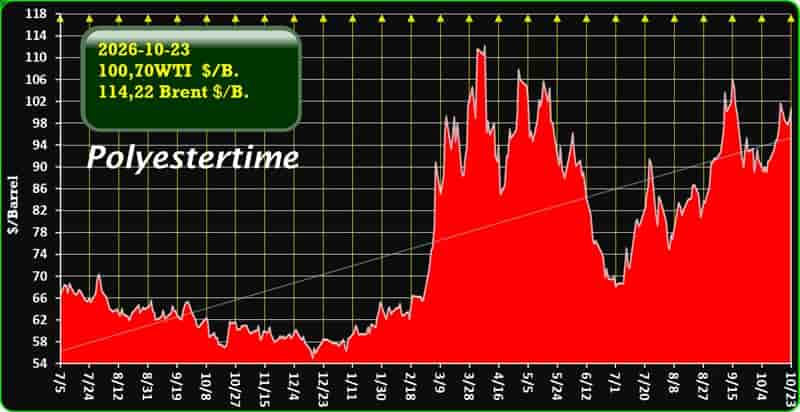
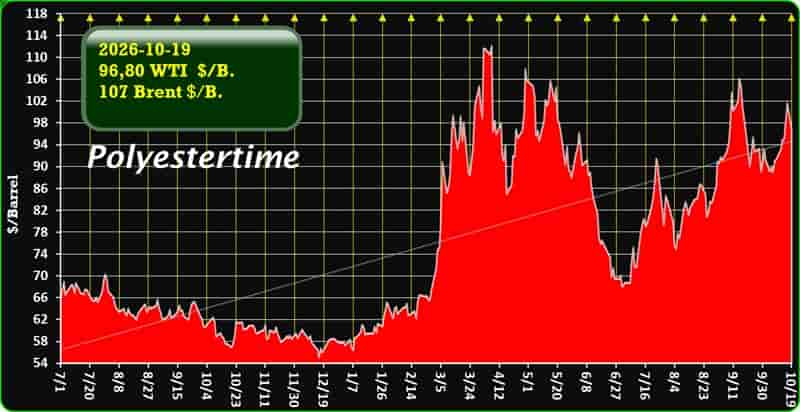
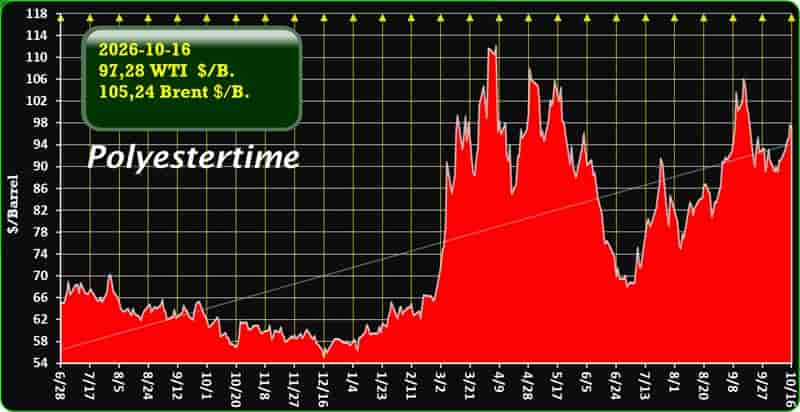
Global energy markets are experiencing heightened volatility as escalating military tensions between the United States and Iran ripple through primary commodity exchanges. International benchmark Brent crude is trading around $114 per barrel, while West Texas Intermediate (WTI) crude has crossed the psychological threshold of $100 per barrel.
This sustained rally in energy prices reflects growing fear among institutional investors and oil traders regarding long-term supply disruption across Middle Eastern export corridors. With military activity affecting commercial shipping near strategic chokepoints, global supply chains face renewed economic exposure. US Iran oil prices
Escalating Tensions in the Persian Gulf and Strait of Hormuz
The primary driver behind the surge in US Iran oil prices is the military posture near the Strait of Hormuz, a narrow waterway responsible for the transit of nearly twenty percent of global petroleum consumption. Recent reports indicate an increase in kinetic operations, including drone strikes on regional energy facilities and direct actions against commercial maritime vessels navigating Persian Gulf waters.
Naval disruptions and targeted strikes against regional infrastructure have substantially increased maritime shipping insurance premiums. Freight forwarders and tanker operators are demanding higher transit fees or re-routing vessels around alternative routes, adding significant time and logistics expenses to international shipments. The risk premium added per barrel continues to rise as diplomatic efforts show limited progress in de-escalating military engagements.
Divergence Between Brent Crude and WTI Price Dynamics
While both benchmark prices reflect elevated risk factors, the price differential between Brent crude ($114/b) and WTI crude ($100/b) highlights distinct regional dynamics. US Iran oil prices
+------------------+------------------+--------------------------------------+
| Benchmark Crude  | Current Trading  | Primary Regional Impact Drivers      |
+------------------+------------------+--------------------------------------+
| Brent Crude      | ~$114 / Barrel   | High exposure to Persian Gulf routes |
| WTI Crude        | ~$100 / Barrel   | Buffered by US domestic shale output |
+------------------+------------------+--------------------------------------+
Brent crude serves as the primary price benchmark for European, African, and Asian oil markets, making it directly vulnerable to geopolitical friction in the Middle East. Because international buyers relying on Brent must hedge against physical sea-lane closures, the geopolitical risk premium is priced directly into futures contracts.
Conversely, WTI crude reflects domestic US supply and demand fundamentals. Strong production volume from American shale basins provides a partial buffer against direct supply shortages. However, global market integration prevents WTI from decoupling entirely, pushing American benchmark crude into triple-digit territory as global buyers seek available supply outside the conflict zone.
Macroeconomic Implications: Inflation and Central Bank Strategies
Persistent energy price increases present significant challenges to global economic stability. Rising crude oil prices feed into refined product costs, driving up transportation fuels, agricultural inputs, and industrial manufacturing expenses. US Iran oil prices
                  +--------------------------------+
                  |  US-Iran Conflict Escalation   |
                  +---------------+----------------+
                                  |
                                  v
                  +--------------------------------+
                  | Supply Chain & Maritime Risks  |
                  +---------------+----------------+
                                  |
                                  v
                  +--------------------------------+
                  | High Crude Prices ($100-$114+) |
                  +---------------+----------------+
                                  |
                                  v
                  +--------------------------------+
                  |  Sticky Headline Inflation     |
                  +---------------+----------------+
                                  |
                                  v
                  +--------------------------------+
                  | Monetary Policy Tightening     |
                  +--------------------------------+
Central banks worldwide closely monitor energy-driven headline inflation. Prolonged oil prices above $100 per barrel risk unwinding recent disinflationary progress, potentially forcing monetary authorities to delay scheduled interest rate cuts or implement further rate hikes.
A sustained high-cost energy environment also increases the risk of stagflation—a combination of sluggish economic growth and elevated consumer price indexes. Energy-importing economies across Europe and developing nations face severe trade balance pressure and declining purchasing power. US Iran oil prices
Strategic Reserves and Production Capacity Constraints
To mitigate market instability, international energy organizations and consumer nations are evaluating coordinated releases from Strategic Petroleum Reserves (SPR). While strategic releases offer short-term liquidity to spot markets, market analysts caution that reserve interventions do not solve underlying physical supply deficits or structural security risks.
OPEC+ policy further complicates the market outlook. Key producing nations maintain cautious production quotas, prioritizing market balance over rapid output expansion. Furthermore, global spare production capacity remains concentrated among a few Middle Eastern producers whose export routes are exposed to the ongoing conflict zone. US Iran oil prices
Energy Market Outlook: Key Factors to Watch
As market participants assess the duration of current price levels, several crucial variables will dictate whether US Iran oil prices stabilize or advance further:
-
Maritime Security: The frequency of incidents involving commercial tankers in the Persian Gulf and Red Sea corridors.
-
Diplomatic Developments: Indications of multilateral negotiations or ceasefire discussions to restore stability.
-
Energy Infrastructure Integrity: The protection of extraction, refining, and pipeline assets across major regional oil producers.
-
Global Demand Trajectory: The impact of high energy prices on consumer demand and industrial output in major economies.
Until clear diplomatic resolutions emerge or maritime corridors are secured, international energy markets remain highly sensitive to regional developments. Investors, businesses, and policy makers should prepare for ongoing volatility across energy commodity benchmarks. US Iran oil prices
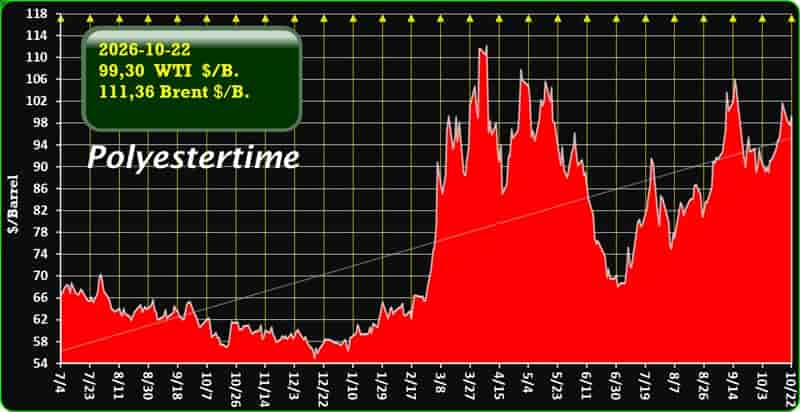
US-Iran Tensions Push Oil Prices Higher: Brent at $111 and WTI Near $99
More…