Biopolymer Innovation – Danone Canada Invests $9 Million in Greener Packaging at Boucherville Plant In a significant move toward environmental responsibility, Danone Canada has announced a $9 million investment in its Boucherville production facility 13-06-2025 - Archive
Biopolymer Innovation
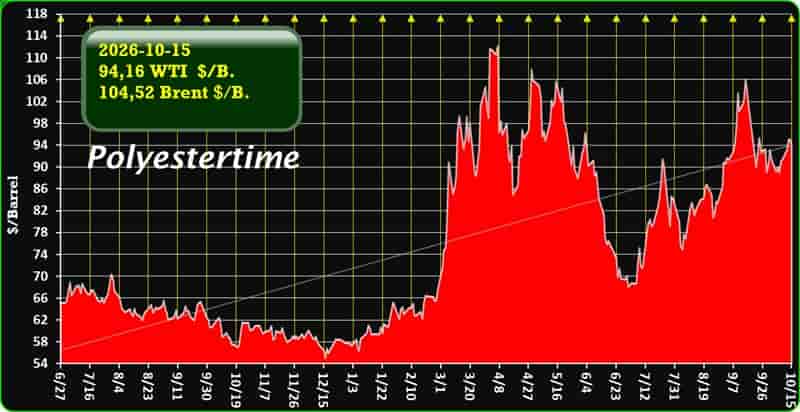
Crude Oil Prices Trend

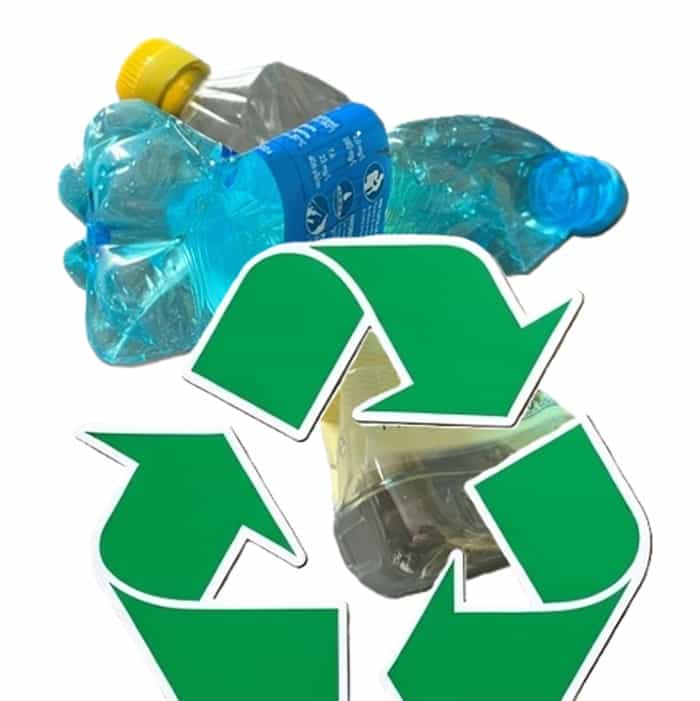
PET Biorecycling with AI: Birch Biosciences Partners with NREL for Next-Gen Plastic Recycling
Plastic waste is one of the most pressing environmental issues of our time. In a major step forward, U.S.-based cleantech startup Birch Biosciences has entered a licensing agreement with the National Renewable Energy Laboratory (NREL) to advance a cutting-edge enzymatic recycling process for PET (polyethylene terephthalate) and other polyester-based plastics.
Innovative Enzymatic Recycling Technology
The patented recycling method developed by researchers at NREL enables the efficient breakdown of PET waste into its original building blocks—terephthalic acid (PTA) and monoethylene glycol (MEG). These monomers can then be reused to produce new, virgin-quality PET, potentially allowing for the manufacture of plastic products made from 100% recycled materials. Biopolymer Innovation
Unlike traditional chemical recycling methods, this process works under mild conditions and can depolymerize untreated PET in just a few hours. The result is an energy-efficient and environmentally friendly alternative to conventional plastic recycling.
How Birch Is Enhancing Biorecycling with AI
Birch Biosciences, based in Portland, Oregon, is leveraging this enzymatic technology within its own proprietary biocatalytic platform. The company specializes in creating AI-designed enzymes—essentially “molecular scissors”—that can cut through plastic polymers at low temperatures. These high-performance enzymes are engineered to be faster, more selective, and more cost-effective than natural alternatives.
By combining artificial intelligence with advanced molecular biology, Birch is working to create scalable systems that can efficiently recycle complex plastic waste streams, including PET and polyurethanes. These systems aim to transform discarded plastic into high-value, reusable raw materials. Biopolymer Innovation
Scalable Solutions for a Sustainable Future
One of Birch’s key goals is to make low-cost, scalable recycling solutions that can be adopted across industries. By reducing the environmental footprint and improving the economics of plastic recycling, Birch’s technology offers a promising path toward a circular plastic economy.
Unlike mechanical recycling, which often results in downcycled, lower-quality plastic, Birch’s enzymatic process produces virgin-grade materials suitable for a wide range of applications—from packaging to textiles and consumer goods.
Backed by Key Industry Partners
Birch Biosciences is supported by several prominent organizations, including:
- Y Combinator – One of the world’s leading startup accelerators
- DARPA – The U.S. Defense Advanced Research Projects Agency
- The U.S. Department of Energy
- The National Science Foundation Biopolymer Innovation
This strong backing reflects the strategic importance of Birch’s work in solving global sustainability challenges and scaling novel recycling technologies.
Why It Matters
As plastic consumption continues to rise, so does the need for smarter, cleaner recycling methods. Traditional recycling systems are often limited in scope and quality. In contrast, enzymatic biorecycling offers a transformative solution—one that could radically reduce plastic pollution and dependence on virgin fossil-based materials.
With AI-optimized enzymes and a collaborative approach with institutions like NREL, Birch Biosciences is helping to pave the way for a truly circular plastics economy.
Looking Ahead
The integration of NREL’s technology into Birch’s platform is a significant milestone in the evolution of biorecycling. As the company continues to refine its AI-assisted enzyme design and expand its capabilities, the prospect of zero-waste plastic recycling inches closer to reality. Biopolymer Innovation
For businesses, governments, and consumers committed to sustainability, innovations like these could soon become an essential part of the global solution to plastic waste.
Reconomy Unveils £1 Million Circular Economy Research Hub in Romania
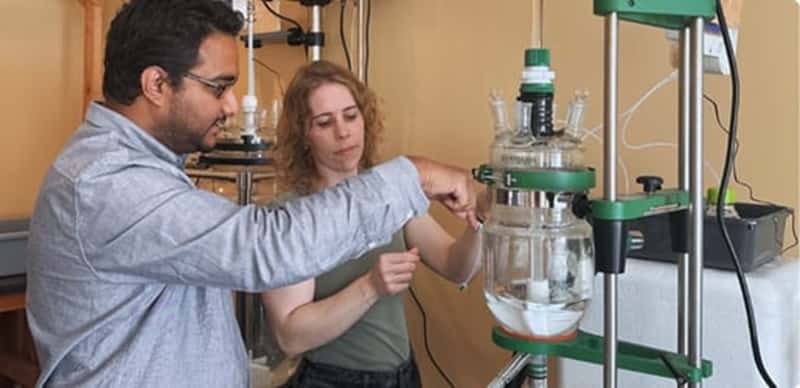
Reconomy, a global leader in sustainability and circular resource management, has officially launched CircuLab—a state-of-the-art research facility in Bucharest, Romania. With a £1 million investment, this innovative hub aims to advance critical research in environmental science, sustainability, resource optimization, and chemistry.
A Strategic Leap Toward Circular Innovation
CircuLab is designed to push the boundaries of the circular economy. It will explore and develop cutting-edge use cases and business propositions by integrating:
- Best practice sharing
- Advanced data analytics Biopolymer Innovation
- Emerging technology exploration
- Regulatory foresight
This unique blend of scientific research and digital innovation is set to elevate Reconomy’s capabilities and influence within the sustainability sector.
Meeting Global Challenges Head-On
Guy Wakeley, CEO of Reconomy, highlighted the urgency and impact of this initiative:
“We are excited by the launch of this function, the first of its kind in our sector, which will transform our ability to advance the circular economy for our customers and our own business.”
He stressed that with the world consuming natural resources faster than they can regenerate, this kind of innovation is vital. CircuLab will enable customers to lower their carbon footprints, uncover cost-saving opportunities, and boost overall profitability—while contributing to the global mission of delaying Earth Overshoot Day. Biopolymer Innovation
Focused on High-Impact Solutions
Reconomy manages over eight million tonnes of materials annually. CircuLab will focus on improving the circularity of this vast volume by identifying smarter waste management strategies and promoting reuse and recovery innovations.
The initiative is led by sustainability experts Diane Crowe and Bianca Ifrim, with overall direction from Torben Kristiansen, Chief Development Officer of Combineering, a Reconomy group company.
“I am delighted to be leading CircuLab at a time when closing the circularity gap has never been more critical,” said Kristiansen. “We are eager to deliver high-impact solutions and create value for our customers by making better use of waste.” Biopolymer Innovation
Part of a Larger Ecosystem of Innovation
CircuLab is not a standalone entity. It works hand-in-hand with Reconomy’s broader internal ecosystem, including the RecoTek Technology Scaling Centre. Launched in 2024, RecoTek employs over 130 people and serves as a delivery engine for accelerating sustainable technologies.
High-Profile Launch Event in Bucharest
The CircuLab launch was marked by an event attended by leaders from academia and industry. Notable guests included Ambassador Uffe A. Balslev and Razvan Stroe from the Royal Danish Embassy in Romania—signifying strong international support and collaboration opportunities. Biopolymer Innovation
Driving a Waste-Free Future
CircuLab is more than just a research lab—it is a bold step toward a waste-free world. By focusing on technological advancement and collaborative development, Reconomy is positioning itself at the forefront of the global circular economy transition.
This initiative aligns with their long-term vision of reshaping how resources are consumed and reused, building more sustainable systems for generations to come.

Danone Canada Invests $9 Million in Greener Packaging at Boucherville Plant
In a significant move toward environmental responsibility, Danone Canada has announced a $9 million investment in its Boucherville production facility. This bold initiative will introduce the manufacturing of new individual yogurt cups made from polyethylene terephthalate (PET) resin, with an ambition to incorporate up to 30% recycled PET (rPET).
Supported by the Gouvernement du Québec, this investment highlights Danone’s commitment to sustainable innovation in the Québec food industry and its broader mission to reduce plastic pollution. Biopolymer Innovation
A Canadian First in Recyclable Yogurt Packaging
This project marks the first time in Canada that Danone will produce yogurt packaging using PET resin, with a strategic focus on recyclability. The effort is spearheaded by Danone’s Oikos brand, the top-selling high-protein Greek yogurt in the country.
By using PET and gradually increasing the content of recycled material, Danone Canada aims to align with Québec’s sustainability goals while responding to consumer demand for eco-friendly products.
Québec Government Backs the Initiative
This forward-looking investment is backed by several public partners. Investissement Québec has provided a $3 million loan to support the project, while RECYC-QUÉBEC contributed a $400,000 direct grant. Biopolymer Innovation
This funding underscores the provincial government’s commitment to promoting greener packaging technologies.
“This project reflects Québec’s leadership in the fight against plastic pollution,” a Danone representative stated. “It also demonstrates how collaboration between private industry and public institutions can drive real environmental progress.”
Concrete Steps for a Sustainable Future
Danone’s Boucherville plant is set to become a key example of how traditional manufacturing can evolve toward more sustainable practices. The new PET cups have already been introduced across the country, making an immediate impact on how yogurt is packaged and consumed in Canada.
This move is not only about materials—it’s about values. Danone Canada is reinforcing its place as a responsible leader in the food and beverage industry, dedicated to practical, long-term solutions for reducing its environmental footprint. Biopolymer Innovation
Why This Matters
- Innovation: First production of PET yogurt cups by Danone in Canada.
- Sustainability: Up to 30% recycled PET targeted in future packaging.
- Public Support: $3M loan from Investissement Québec and $400K grant from RECYC-QUÉBEC.
- Market Impact: New packaging already on shelves nationwide.
Danone Canada’s investment is more than just a packaging upgrade—it’s a strong signal that the future of food includes a serious commitment to planet-friendly innovation. With support from Québec institutions and a clear roadmap, this initiative lays the groundwork for broader change across the industry.
Learn More
To stay informed on Danone Canada’s sustainability progress and packaging innovations, visit danone.ca. Biopolymer Innovation

Teknor Apex Acquires Danimer Scientific to Boost Biopolymer Innovation
Teknor Apex, a global leader in custom compound solutions, has officially acquired Danimer Scientific, a U.S.-based biotechnology firm renowned for its work in biodegradable bioplastics. This acquisition marks a significant step forward in Teknor Apex’s commitment to advancing sustainable material technologies.
Who Is Danimer Scientific?
Headquartered in Bainbridge, Georgia, Danimer Scientific operates two expansive facilities spanning over 200,000 square feet. These sites house state-of-the-art laboratories, manufacturing zones, and testing areas. For more than a decade, Danimer has been at the forefront of producing renewable and compostable biopolymers.
Danimer’s bioplastics are used across a wide range of industries and products. Their materials power applications like:
- Additives
- Water-based coatings
- Fibers and films
- Hot melt adhesives Biopolymer Innovation
- Injection-molded parts for single-use items (e.g., straws, cutlery, and packaging)
The company currently holds more than 480 patents either issued or pending, spanning over 20 countries.
What This Means for Danimer
Although now part of Teknor Apex, Danimer will continue to operate independently. The firm will retain its name, leadership team, and mission. However, it will now benefit from Teknor Apex’s extensive resources, financial stability, and global reach to scale operations and expand into new markets.
“Danimer’s proprietary fermentation-based biopolymer technology enhances our portfolio and opens new avenues for sustainable innovation,” said Don Wiseman, CEO of Teknor Apex.
He emphasized Danimer’s expertise in PHA (polyhydroxyalkanoates) and PLA (polylactic acid), materials that are critical for developing custom sustainable alternatives to conventional plastics.
A Strategic Synergy for Sustainability
According to Phil Van Trump, Chief Science & Technology Officer at Danimer, the collaboration with Teknor Apex will supercharge their R&D, enhance production capabilities, and help them achieve broader market penetration. Biopolymer Innovation
“This partnership enables us to scale up without compromising our vision of replacing traditional plastics with environmentally responsible alternatives,” Van Trump explained.
Advancing a Shared Vision for the Planet
Teknor Apex has been actively working to expand its portfolio of sustainable solutions. This includes increasing the use of:
- Recycled content
- Bio-based materials
- Climate-positive additives
With Danimer on board, the company is accelerating its journey toward a more eco-conscious future. Wiseman added, “Danimer is among the world’s most advanced biotech firms. We’re proud to partner with a team that shares our commitment to environmental stewardship and material innovation.” Biopolymer Innovation
Looking Ahead
This acquisition reflects a broader trend in the plastics and materials industry: a move toward sustainability, renewability, and environmental accountability. Teknor Apex’s strategic investment in Danimer Scientific is more than a business deal—it’s a clear signal that green innovation is the way forward.
Expect to see new product lines, expanded production capabilities, and a greater presence of biodegradable bioplastics in both consumer and industrial applications as this partnership matures.
Nations Sound Alarm for Ambitious Global Plastics Treaty
At the UN Ocean Conference in Nice, France, a coalition of 95 countries issued a powerful declaration this week, calling for a bold and binding global treaty to tackle plastic pollution. Framed as a “wake-up call,” the statement urges swift and decisive action to curb plastic production and protect the planet’s oceans and ecosystems. Biopolymer Innovation
A Global Call to Action
The declaration, backed by a diverse group of nations, outlines a vision for a treaty that goes beyond recycling and waste management. It emphasizes the need to address plastic pollution at its source—by reducing the production of virgin plastic and eliminating harmful plastic products and chemicals.
This move comes ahead of the next round of negotiations in Geneva, scheduled for August 2025, and follows a stalled session in Busan, South Korea, where talks broke down over disagreements between countries prioritizing production limits and those favoring downstream solutions.
Key Elements of the Declaration
- Production Limits: A call to cap and reduce the production of plastic resins, especially those derived from fossil fuels. Biopolymer Innovation
- Phase-Out of Harmful Plastics: Elimination of problematic plastic products and toxic additives.
- Global Regulatory Framework: Establishment of legally binding rules, including extended producer responsibility (EPR) systems.
- Financial Support: Implementation of the “polluter pays” principle to fund cleanup and transition efforts.
- Science-Based Decision Making: Use of scientific criteria to identify and regulate harmful plastics and chemicals.
Divisions and Diplomatic Challenges
Despite the momentum, the path to a treaty remains complex. Oil-producing nations and major plastic exporters have resisted calls to limit production, arguing instead for improved recycling and waste management infrastructure. This divide has slowed progress and threatens to dilute the treaty’s effectiveness. Biopolymer Innovation
However, the Nice declaration signals growing consensus among a majority of countries that voluntary measures are no longer enough. The urgency of the plastic crisis—affecting marine life, human health, and climate—demands enforceable international rules.
What’s Next?
The upcoming Geneva negotiations will be a critical test of global political will. Advocates hope the declaration will serve as a foundation for a legally binding agreement by the end of 2025, aligning with the UN’s timeline for finalizing the treaty.
Environmental groups and scientists have welcomed the declaration, calling it a necessary step toward systemic change. They stress that without curbing plastic production, cleanup efforts will remain a losing battle. Biopolymer Innovation
Final Thoughts
The Nice declaration is more than a diplomatic gesture—it’s a rallying cry for a cleaner, safer future. As the world edges closer to a historic plastics treaty, the choices made in the coming months will shape the health of our planet for generations to come.
Gentlebrand Elevates Tashkentskaya Mineral Water with Premium PET Design
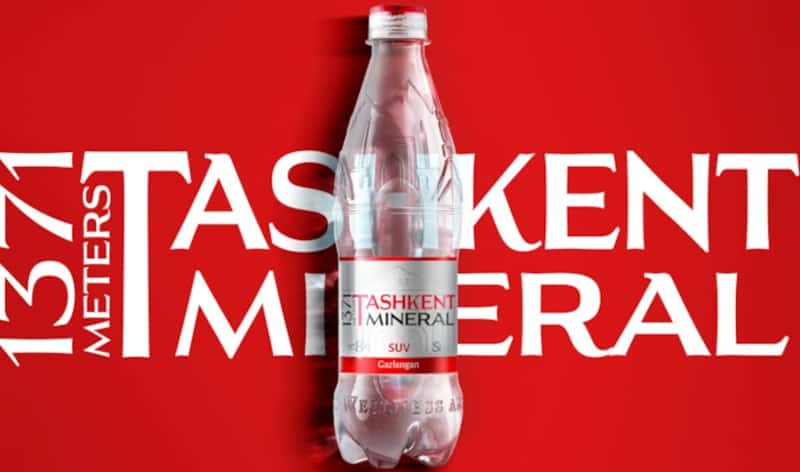
Gentlebrand Design Agency, a creative force within the Sidel Group, has unveiled a striking new look for Tashkentskaya mineral water—a brand known for over 70 years for its purity and wellness legacy. Partnering with Uzbekistan-based bottler Toshmineralsuv, Gentlebrand has introduced a sophisticated PET bottle design that positions the product firmly in the premium segment, while staying true to its rich heritage. Biopolymer Innovation
A Legacy of Purity, Now with a Contemporary Touch
Tashkentskaya mineral water is drawn from a pristine spring located 1,371 meters underground—a source celebrated for its natural purity and health benefits. Gentlebrand’s design approach was rooted in preserving this essence while elevating the product’s appeal for modern consumers.
The result? A PET packaging line that’s not just functional, but inspiring. Available in 330ml, 500ml, and 1000ml formats, the bottles feature clean lines and subtle elegance—each size carefully designed to reflect the water’s purity and premium nature.
Design Rooted in Culture and Authenticity
The design process began with a deep dive into both the competitive landscape and the historic legacy of the Tashkentskaya brand. The agency focused on three key pillars: authenticity, cultural resonance, and visual simplicity. Biopolymer Innovation
One of the most distinctive elements is the geometric pattern embossed on the bottle’s surface—a modern nod to Tashkent’s architectural heritage. Just above the base, you’ll find the brand’s message, “Source of Wellness and Beauty”, delicately integrated to reinforce the wellness positioning.
From Packaging to Shelf: A Unified Identity
The branding extends beyond the bottle itself. Gentlebrand ensured consistency across the entire customer journey—from the transparent label that allows the water’s clarity to shine through, to point-of-sale materials that echo the bottle’s sleek aesthetics.
“Gentlebrand was able to interpret our vision perfectly,” says the Bottling Manager at Toshmineralsuv. “They transformed our aspirations into a design that not only stands out visually but also aligns beautifully with our core values.” Biopolymer Innovation
A Premium Leap Forward
With this new launch, Tashkentskaya is set to capture new markets and expand its presence across retail channels, hospitality, and wellness sectors. The PET bottle doesn’t just offer convenience—it elevates the brand’s emotional appeal through thoughtful design that tells a story of wellness, tradition, and progress.
Conclusion: A Design That Speaks
The collaboration between Gentlebrand and Toshmineralsuv is a prime example of how strategic design can bridge tradition and modernity. With every detail carefully considered—from bottle shape to cultural motifs—the new Tashkentskaya PET range is more than a refresh; it’s a statement of premium positioning rooted in history and built for the future. Biopolymer Innovation