Circular recycling food packaging – Amcor Accelerates Circular Recycling for Food Packaging Through Landmark Danish Collaboration Advancing EU Sustainability Targets and Scalable Food-Grade Plastic Solutions 18-12-2025 - Archive
Circular recycling food packaging
Amcor Strengthens Circular Recycling for Food Packaging in Denmark
Amcor, a global leader in responsible packaging solutions, has joined a major three-year innovation initiative designed to transform how food packaging is recycled in Denmark. The project, Circular Recycling Innovation for Sustainable Packaging, known as CRISP, is led by the Danish Technological Institute and focuses on establishing full-scale circular recycling for food packaging made from polyethylene and polypropylene rigid plastics collected from households.
This initiative directly addresses the growing demand for circular recycling food packaging systems that meet strict food-contact requirements. By combining advanced recycling technology, packaging design expertise, and cross-industry collaboration, CRISP aims to create a reliable pathway for converting post-consumer plastic waste into high-quality, food-grade recycled materials.
Industry Collaboration Driving Circular Recycling Food Packaging
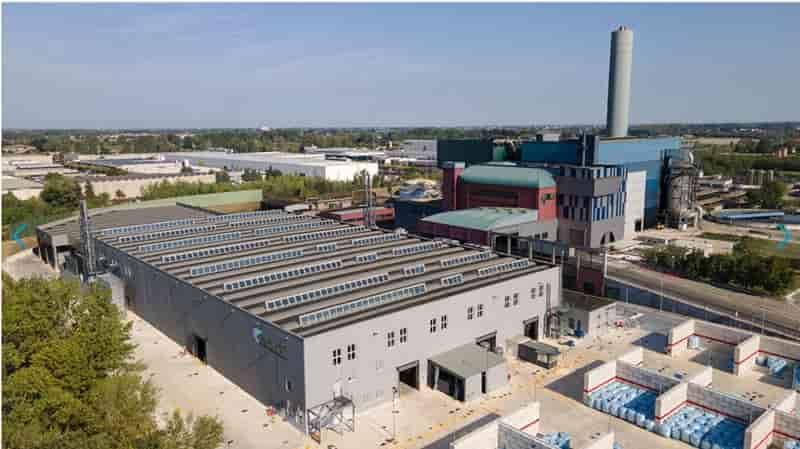
The CRISP partnership brings together major food manufacturers, waste management specialists, and packaging innovators. Amcor plays a central role by contributing its recycling expertise and technical know-how from its CleanStream® recycling facility in Leamington Spa, United Kingdom, alongside its packaging production site in Randers, Denmark.
Through this collaboration, Amcor applies its experience in designing food packaging using recycled materials, ensuring that circular recycling food packaging solutions are practical, scalable, and compliant with regulatory standards. The project demonstrates how supply chain cooperation can unlock value across the entire lifecycle of plastic packaging.
Aligning With EU Recycling Targets and PPWR Requirements
The timing of the CRISP initiative is highly significant. The European Union has set a target of achieving a 55 percent plastic recycling rate by 2030. At the same time, the Packaging and Packaging Waste Regulation requires most plastic packaging to be designed for recyclability by that year, ensuring materials can be reused or recycled efficiently.
Circular recycling food packaging is essential to meeting these targets, particularly for PE and PP materials commonly used in food applications. CRISP supports these regulatory goals by focusing on design-for-recycling principles, material traceability, and high-purity recycling processes that enable repeated use in food-contact applications.
Creating Food-Grade Materials From Post-Consumer Waste
One of the project’s core objectives is to develop a systemic solution for producing food-grade packaging from post-consumer plastic waste. Achieving this requires strict control over material quality, advanced sorting and recycling processes, and documented traceability throughout the recycling loop.
By addressing these challenges, CRISP aims to establish a new circular market for recycled high-density polyethylene and recycled polypropylene used in food packaging. This approach strengthens confidence among regulators, brand owners, and consumers that circular recycling food packaging can meet safety, quality, and performance expectations.
Supporting Denmark’s Extended Producer Responsibility Scheme
The initiative also aligns with Denmark’s Extended Producer Responsibility framework, which requires producers to finance the management of packaging they introduce to the market. This system encourages more sustainable packaging design and smarter material choices by linking costs to environmental impact.
Circular recycling food packaging plays a key role in this model by reducing waste, improving recyclability, and lowering the overall environmental footprint of packaging materials. CRISP provides practical insights into how EPR schemes can accelerate circular economy outcomes when paired with innovation and collaboration.
CleanStream® Technology Enabling Scalable Recycling
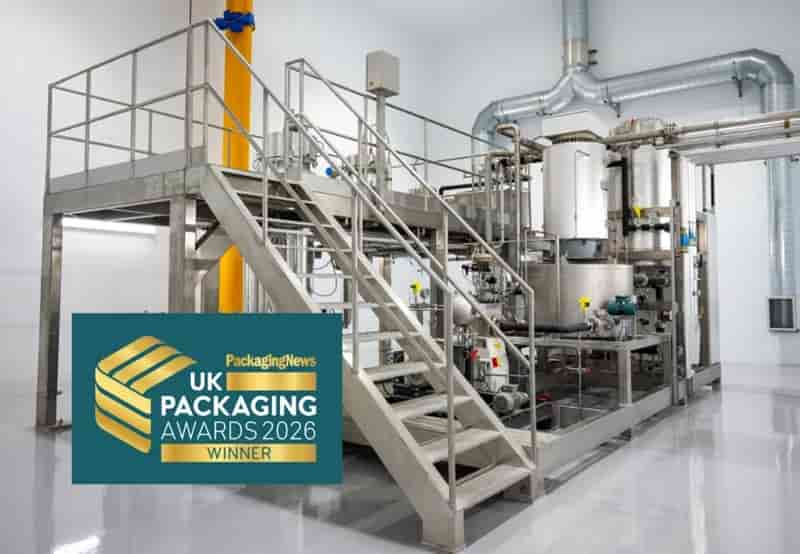
Amcor’s proprietary CleanStream® technology underpins much of the project’s recycling capability. This mechanical recycling process converts household plastic waste into high-purity recycled plastic that can be used in demanding applications, including food packaging.
The technology is designed to operate within existing waste management infrastructures, making it easier to scale across regions. In the United Kingdom, Amcor’s Leamington Spa facility already has the capacity to recycle nearly 40 percent of all polypropylene waste collected from domestic recycling bins, demonstrating the potential impact of proven circular recycling food packaging solutions.
Building a Circular Plastic Economy Beyond Denmark
While CRISP is focused on Denmark, its implications extend far beyond national borders. The project is expected to set new benchmarks for circular recycling food packaging, offering a replicable model for other European markets and global value chains.
By improving traceability, strengthening collaboration, and proving the business case for food-grade recycled plastics, the initiative supports long-term circular loops aligned with EU policy and global sustainability goals. The outcomes may influence future packaging design standards and accelerate the transition toward a truly circular plastic economy.
About Amcor
Amcor is a global leader in developing and producing responsible consumer packaging and dispensing solutions across nutrition, health, beauty, and wellness sectors. With extensive expertise in innovation and sustainability, Amcor delivers flexible packaging, rigid packaging, cartons, and closures designed to be functional, appealing, and more sustainable. Operating across more than 40 countries with over 75,000 employees, Amcor is committed to protecting the future through advanced packaging solutions.
More…