Compostable Plastic – China’s First Automated Textile Waste Sorting Line Marks a Milestone in Recycling 18-09-2025
Compostable Plastic
Crude Oil Prices Trend

Mol Group converts plastic waste into high-value polymers in ISCC Plus pilot
Quick summary
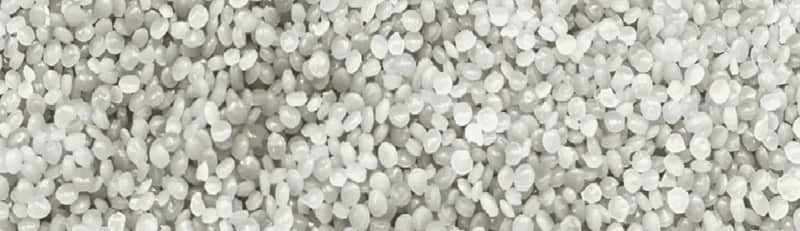
Mol Group successfully completed a pilot production run that used circular feedstock derived from post-consumer plastic waste. The trial took place at Mol Petrochemicals’ steam cracker and polymerisation units in Tiszaújváros, Hungary. Compostable Plastic
What happened
The pilot introduced a stream of circular feedstock — processed material sourced from post-consumer plastics — into Mol’s steam cracker. That feedstock was processed alongside conventional fossil feedstock using a mass balance approach, producing circular-based monomers that were then polymerised into polyethene and polypropylene.
“This successful test shows that Mol Group can now process circular feedstocks according to ISCC Plus certified process, turning plastic waste into new, high-value products,” said Péter Császár, Senior Vice President, Mol Group Chemicals. Compostable Plastic
How the pilot worked
The operation relied on two core elements: qualified circular feedstock inputs and an accounting method that tracks material origin when streams are blended.
Specifically, the mass balance method was used. When circular feedstock and traditional feedstock are co-processed, the method allocates volumes of the final product proportionally back to the circular input. This maintains traceability without requiring dedicated, physically separated lines for each feedstock type.
Feedstock source
The circular feedstock came from post-consumer plastic waste that was pretreated into a compatible chemical feedstock. Pretreatment removes contaminants and stabilises chemistry so it can be introduced into refinery/cracker systems. Compostable Plastic
Processing chain
After introduction into the steam cracker, the circular molecules were cracked into monomers. Those monomers were then directed to polymerisation units where they were converted into polyethene and polypropylene — two of the world’s most widely used plastics.
Why this matters
The pilot is a practical demonstration of circular chemistry in a commercial petrochemical setting. Rather than downcycling plastics into low-value products, Mol’s approach aims to feed recovered material back into mainstream polymer production.
That means reduced reliance on virgin fossil feedstocks, improved material circularity, and potential lifecycle carbon savings — depending on the feedstock quality and the broader supply chain emissions. Compostable Plastic
Data, certification & targets
Mol’s sites in Tiszaújváros and Slovnaft in Bratislava obtained ISCC Plus certification in 2024 for their steam cracker and polymerisation units. ISCC Plus is a certification scheme that verifies sustainability claims and chain-of-custody for circular and bio-based feedstocks.
Using the mass balance approach under ISCC Plus enables the company to credibly claim volumes of circular polymers, backed by audited accounting and certification.
Mol has announced ambitions to scale circular feedstock usage, targeting up to 1.5 million tonnes of feedstock for the energy industry by 2030.
Scaling will depend on feedstock availability, logistics, and continued regulatory and market support. Compostable Plastic
Key facts
| Item | Detail |
|---|---|
| Location | Tiszaújváros, Hungary (Mol Petrochemicals) |
| Certification | ISCC Plus (steam cracker & polymerisation units) |
| Products | Polyethene, Polypropylene (circular-based) |
| 2024 milestone | First ISCC Plus-certified production run with circular feedstock |
| 2030 goal | Utilise up to 1.5 million tonnes of feedstock for energy industry |

Gaia Biomaterials Secures GCC Distribution for Compostable Plastic Alternative
Gaia Biomaterials has partnered with Dubai-based RA International to distribute its patented limestone-based compostable material, Biodolomer, across the Gulf Cooperation Council (GCC) region. Compostable Plastic
This move positions the Swedish company to address growing sustainability challenges in one of the world’s fastest-growing packaging markets.
The GCC Market Opportunity
The Gulf countries are among the largest consumers of packaging materials and single-use plastics per capita. This heavy reliance on conventional plastics has created mounting environmental challenges, including overflowing landfills and limited recycling infrastructure.
Governments across the GCC are responding with ambitious targets to curb plastic waste. The United Arab Emirates (UAE) has committed to achieving zero waste to landfill by 2030, while Saudi Arabia’s Vision 2030 aims for 100% waste diversion.
These policies are accelerating demand for sustainable alternatives like compostable materials. Compostable Plastic
Why Biodolomer Stands Out
Biodolomer is a patented material developed and produced in Sweden by Gaia Biomaterials. Unlike traditional petroleum-based plastics, it is primarily made from limestone and natural binders. This composition gives it several environmental and performance advantages.
- ✅ Certified compostable in both the EU and the USA
- ✅ No microplastics generated during degradation
- ✅ No PFAS or added chemicals, making it safer for human and environmental health Compostable Plastic
- ✅ Versatile applications: can be used in both soft and rigid plastic conversion technologies
- ✅ Calcium-rich compost byproduct suitable for landscaping and soil improvement
These features make Biodolomer a strong candidate for replacing traditional single-use plastics in packaging, food service, agriculture, and other sectors that produce high plastic waste volumes.
The Strategic Partnership
RA International, headquartered in Dubai, will serve as the exclusive distributor of Biodolomer across the GCC region.
The agreement initially targets the UAE, Saudi Arabia, and Qatar — three countries leading the region’s sustainability transition. Compostable Plastic
“When we learned about Gaia’s Biodolomer, it was clear that it would be perfect for the region,” said Soraya Narfeldt, Founder and CEO of RA International. “As there is little recycling infrastructure in place, a compostable material makes a lot of sense. Over the past six months, we have spoken to many stakeholders in the field, and the interest is very strong.”
Gaia Biomaterials’ CEO, Peter Stenström, emphasized the depth of RA International’s market knowledge and sustainability focus as key reasons for choosing them as a partner:
“Entering the GCC region is very exciting. We have received many inquiries over the past years, but RA International has conducted research in a way that is unique. They also demonstrate a genuine commitment to sustainability and have deep knowledge of the region.” Compostable Plastic
The distribution agreement officially took effect on September 1, and the first customer deliveries are expected in Q1 2026.
Environmental & Regional Impact
Introducing a certified compostable material like Biodolomer into the GCC market can help reduce landfill dependency, especially in areas where recycling systems are not yet fully established. Because it breaks down into natural minerals without leaving microplastics, Biodolomer offers a circular solution aligned with regional sustainability policies.
The UAE and Saudi Arabia, in particular, are rapidly evolving their waste management strategies. By prioritizing compostable materials, they can leapfrog the expensive and slow process of building large-scale recycling infrastructure from scratch. This approach aligns with the broader global trend of shifting from a “recycle-only” model to a more balanced mix of reduce, reuse, and compost strategies. Compostable Plastic
Future Outlook & Next Steps
RA International plans to set up a dedicated business unit to handle Biodolomer distribution and market development across the GCC. This will include customer education, pilot projects, and collaboration with government agencies to integrate compostable solutions into national sustainability programs.
As more businesses and municipalities in the region explore alternatives to conventional plastics, Gaia Biomaterials and RA International are well-positioned to play a leadership role in shaping the market for sustainable materials. Compostable Plastic
The success of this partnership could also serve as a model for other regions with limited recycling infrastructure but high consumption of single-use plastics — demonstrating how compostable solutions can bypass systemic bottlenecks and deliver measurable environmental benefits faster.
About the Companies
Gaia Biomaterials
Gaia Biomaterials is a Swedish innovator in sustainable materials. The company specializes in developing and manufacturing biodegradable and compostable alternatives to conventional plastics.
Its flagship product, Biodolomer, is designed to match the functionality of plastic while eliminating its long-term environmental footprint. Compostable Plastic
RA International
RA International is a leading provider of remote site services in Africa and the Middle East. The company employs approximately 1,300 people in over 15 countries and offers services in construction, integrated facilities management, and supply chain logistics. Its clients include United Nations agencies, Western governments, and global corporations. With a base in Dubai, RA International is strategically positioned to serve the GCC region.
Key Takeaways
- ? GCC nations are rapidly moving toward sustainable packaging policies.
- ♻️ Biodolomer is a certified compostable, limestone-based alternative to traditional plastic.
- ? RA International will distribute Biodolomer across the GCC, starting with UAE, Saudi Arabia, and Qatar.
- ? First customer deliveries are expected by Q1 2026.
- ? This partnership could accelerate the region’s transition away from single-use plastics. Compostable Plastic
China’s First Automated Textile Waste Sorting Line Marks a Milestone in Recycling
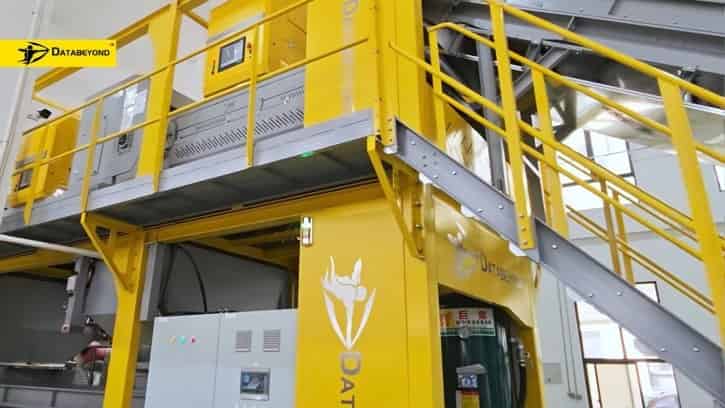
In a landmark moment for the global textile recycling industry, China has officially launched its first fully automated textile waste sorting line. This cutting-edge system, developed by Databeyond Technology and installed at Zhangjiagang Shanhesheng Environmental Technology in Jiangsu province, represents a major leap toward AI-driven circular textile systems. Compostable Plastic
The new line dramatically reduces labor needs, slashes operating costs, and enhances sorting accuracy — setting a new standard for sustainability and scalability in the textile sector.
Technology Breakthrough: AI + Hyperspectral Imaging
At the heart of this breakthrough is an innovative integration of artificial intelligence (AI) and hyperspectral imaging (HSI) technologies. These systems work together to accurately detect and sort discarded garments based on their material composition, color, and even blend ratios.
Unlike conventional systems that rely on visual inspection alone, hyperspectral imaging scans across a wide range of light wavelengths. This allows the system to “see” the chemical signatures of textile fibers, enabling near-instant identification of materials such as:
- High-purity polyester (90%+ accuracy) Compostable Plastic
- High-purity cotton (90%+ accuracy)
- High-purity nylon (90%+ accuracy)
- Polyester/nylon blends with elastane
This level of precision was previously impossible at scale, especially with post-consumer textiles that often contain mixed fabrics and dyes. By enabling accurate sorting at a speed of approximately two tons per hour, the system marks China’s entry into the era of intelligent textile waste processing.
Efficiency Gains and Cost Reduction
One of the most immediate impacts of this automated line is the dramatic improvement in labor efficiency. Traditionally, sorting around 15 tons of post-consumer textiles in an eight-hour shift would require more than 30 workers. The new line accomplishes the same volume with just four operators. Compostable Plastic
This represents a significant reduction in labor costs and operational complexity. It also minimizes human error, ensuring more consistent and reliable output — crucial for brands seeking high-purity feedstock for recycling initiatives.
“Through our collaboration with Databeyond, we have taken the first step toward the transformation of textile waste recycling.”
— Ms Feng, General Manager of Shanhesheng Environmental Technology
For companies facing rising labor costs and supply chain pressures, these automation-driven gains could become a key competitive advantage. Compostable Plastic
Driving the Industry Toward Circular Growth
Shanhesheng Environmental Technology sees this project not only as a production upgrade but also as a strategic push toward a circular textile economy. The company plans to extend automation beyond whole garments to include shredded garments and factory offcuts, creating a closed-loop system from collection to feedstock preparation.
This approach aligns with global brand owners’ sustainability targets, which increasingly demand verifiable, high-quality recycled fibers. By offering consistent, specification-compliant feedstock, Shanhesheng aims to support the global fashion industry’s shift away from linear production models. Compostable Plastic
The project also serves as a scalable model for other textile waste processors, proving that industrial-level automation can be applied to complex waste streams traditionally considered too difficult or labor-intensive to sort efficiently.
Strong Early Market Demand Signals Future Growth
Only weeks after the system was commissioned, Shanhesheng secured a 200-ton order for high-purity post-consumer textiles from a leading global apparel company. In the past, fulfilling an order of this scale would have required dozens of workers and extensive manual sorting over many days.
With the new automated line, the company can now complete the order with a fraction of the labor and time. This demonstrates how automation not only cuts costs but also enables faster turnaround — a critical factor for international brands operating on tight production schedules. Compostable Plastic
Databeyond Technology: Powering the Future of Waste Sorting
As China’s largest supplier of AI-based optical sorters, Databeyond Technology brings deep experience to this initiative. The company has already deployed thousands of optical sorting systems across the global renewable resource recycling industry, spanning applications from plastics and metals to textiles and paper.
Its proprietary AI algorithms continuously improve through machine learning, enabling higher recognition accuracy and adaptive performance over time. This expertise has positioned Databeyond as a critical enabler of China’s transition toward smarter, more efficient resource recovery systems. Compostable Plastic
For more information, visit: www.databeyond.com
What’s Next: Scaling Intelligent Sorting Across the Industry
Looking ahead, Shanhesheng and Databeyond plan to expand the scope of automation beyond post-consumer textiles to include pre-consumer and industrial textile waste. The vision is to create fully integrated sorting hubs capable of processing diverse textile inputs into uniform, brand-ready recycled materials.
If widely adopted, this model could accelerate the global transition from manual, fragmented recycling toward industrialized, AI-driven circular systems. This would reduce the textile industry’s environmental footprint while supporting new business models based on recycled content. Compostable Plastic
By merging smart technology with sustainable design principles, China is positioning itself as a leader in the global race to decarbonize fashion and apparel production.
Key Takeaways
- China has launched its first fully automated textile waste sorting line in Jiangsu province.
- The system uses AI and hyperspectral imaging to achieve high-precision material separation.
- Sorting efficiency has increased from 30 workers to just 4, reducing costs and errors.
- Shanhesheng plans to expand automation to shredded textiles and factory offcuts.
- Early market response is strong, with a 200-ton order already secured.
- Databeyond Technology plays a central role, with thousands of optical sorters already in use globally. Compostable Plastic
Breakthrough Light-Activated Plastic Could Revolutionize Recycling
Overview of the breakthrough
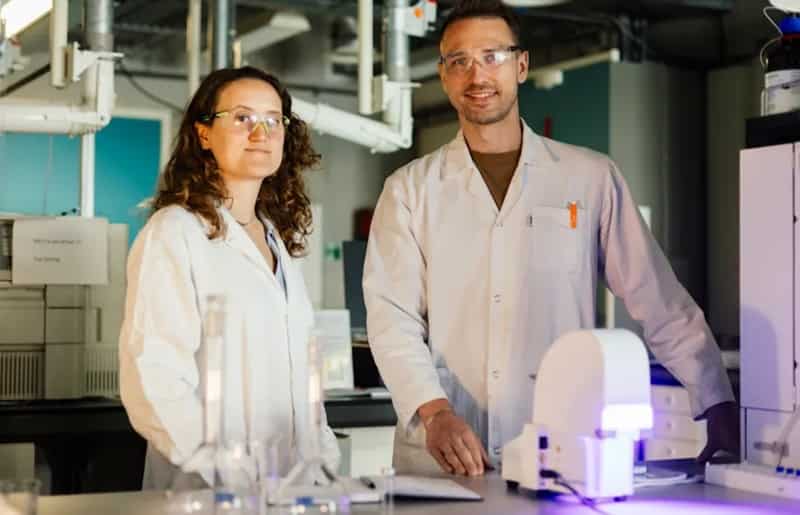
Recycling plastics may have just gotten as simple as flipping a switch. A research team at Eindhoven University of Technology (TU/e) has unveiled a new class of light-activated plastic that can be fully broken down and rebuilt — again and again — without losing quality. Compostable Plastic
The discovery, published in the journal Advanced Materials, represents a dramatic leap forward in polymer science. Using only LED light, the team can break apart stable polymer chains and recover their original building blocks, then reassemble them into new, high-performance plastics.
“We see it as a breakthrough in sustainable chemistry that can reshape the way we deal with plastic waste in the future,” said Assistant Professor Fabian Eisenreich, lead researcher.
Why conventional plastic recycling falls short
Most plastics today are made of moldable polymer chains that can be melted down and reshaped. But this approach has a major drawback: thermal recycling degrades the polymer’s structure over time. Each recycling cycle weakens the material, until it’s no longer usable and must be discarded. Compostable Plastic
This is why plastics can’t currently be recycled indefinitely. Even the most advanced mechanical recycling techniques can only extend the life of a plastic product a few times before it ends up as waste. This limitation has fueled mounting plastic pollution worldwide.
To create truly sustainable plastics, scientists have been seeking a closed-loop chemical recycling system—one that can endlessly regenerate the same material with no loss of performance. Until now, that has remained out of reach.
How photochemical recycling works
The Eindhoven team’s new approach uses photochemical recycling. Instead of relying on heat, they use LED light to selectively split chemical bonds within the polymer. This precision lets them recover the original monomers—the basic building blocks—without damaging them. Compostable Plastic
Once recovered, the monomers can be re-polymerized into completely new plastic, identical to the original. This process could, in theory, continue forever without any degradation in quality or performance.
Why this matters
- Eliminates quality loss over multiple recycling cycles
- Reduces need for virgin fossil-based feedstocks
- Enables circular material lifecycles Compostable Plastic
- Potentially lowers energy use compared to thermal recycling
By shifting from destructive heat to selective light, this method opens a path to infinite recyclability—a concept long imagined but never achieved with plastics at scale.
Inside the research team’s discovery
The breakthrough comes from the Polymer Performance Materials research group at TU/e. Their work focuses on developing new organic polymers free from toxic substances while offering exceptional performance and recyclability. Compostable Plastic
In their study, they engineered a novel “designer polymer” built specifically to respond to targeted wavelengths of light. When illuminated by an LED source, the material breaks down cleanly into its original molecular components. The researchers then successfully reassembled those components back into brand-new plastic.
This level of chemical control is unprecedented in mainstream plastics research. It proves that durable materials can also be designed for effortless disassembly—a key principle of circular economy design.
Environmental and societal impact
If scaled, this innovation could transform how we handle plastic waste. By enabling closed-loop recycling, it would drastically reduce the amount of plastic entering landfills, incinerators, and the natural environment. Compostable Plastic
Plastic pollution currently kills thousands of marine animals annually and disrupts delicate ecosystems. Removing the root cause—single-use plastics that can’t be fully recycled—would offer enormous benefits for biodiversity, human health, and climate targets.
Barriers to large-scale adoption
Despite the promise, this light-activated polymer is still far from mainstream. Eisenreich cautions that the material remains a niche, experimental polymer not yet suitable for everyday plastic applications. Significant hurdles must be overcome:
- Scaling production methods from lab to industrial scale Compostable Plastic
- Proving cost competitiveness with commodity plastics
- Adapting existing recycling infrastructure to handle new polymers
- Meeting regulatory safety standards for food, medical, and consumer use
In short, the science is proven, but the manufacturing ecosystem around it does not yet exist.
What this means for the future
Though challenges remain, the Eindhoven team’s work provides a crucial proof of concept. It shows that plastics can be engineered for full reversibility—designed from the ground up to be dismantled and rebuilt indefinitely. Compostable Plastic
If industry can adopt this technology at scale, it could dramatically cut global plastic waste, reduce our dependence on fossil fuels, and help build a circular materials economy. It’s the kind of fundamental advance that could redefine how the world makes and uses plastics.
“At the moment, our designer polymer is still a niche material and therefore not suitable for everyday plastic applications,” Eisenreich explained.
“But it gives us a blueprint for how sustainable materials could work in the future.” Compostable Plastic
That blueprint could one day underpin everything from packaging to electronics casings to automotive parts—ushering in an era where plastic never becomes waste at all.
Syensqo launches high heat-resistant Amodel® PPA for single-use medical instruments
What Syensqo announced
Syensqo has introduced a medical-grade version of Amodel® polyphthalamide (PPA), a glass-filled polymer engineered specifically for advanced single-use medical instruments. The formulation targets applications that demand high thermal stability, reliable electrical performance, and compliance with biocompatibility requirements for limited contact durations. Compostable Plastic
The new grade positions Amodel® as an alternative material for manufacturers needing robust performance through modern assembly and post-assembly processes while maintaining the throughput and precision expected in medical device production.
Technical highlights
Amodel® medical grade delivers several standout characteristics that address manufacturing and functional challenges for disposable medical devices:
These combined properties make the material resilient to high-temperature assembly processes—such as surface-mount technology (SMT), infrared (IR) reflow soldering, and metal overmolding—without warping or losing critical tolerances.
“For decades, brands like Radel® and Udel® have helped advance medical technologies. With medical-grade Amodel® PPA, we’re extending that legacy, giving customers a new option for devices that must withstand modern assembly processes,” said Natalie Dragunat, Global Marketing Manager Healthcare at Syensqo. Compostable Plastic
Applications and benefits for medical devices
Amodel® is optimized for single-use instruments and electronic subassemblies that combine complex molded geometry with high thermal exposure. Typical use cases include:
Electrosurgical instruments
Electrosurgical handpieces and disposable tips require materials that won’t soften or deform during soldering, IR reflow, or when overmolding metallic components. Amodel® preserves form and functionality under those conditions. Compostable Plastic
Electronic device assemblies
For devices integrating PCBs, connectors, and sensors, Amodel®’s electrical insulation and dimensional stability reduce assembly defects and improve yield.
Complex injection-molded components
Glass filling improves stiffness and creep resistance, enabling thinner walls and complex geometries while maintaining consistent cycle times for high-volume production.
Across these applications, manufacturers gain a balance of manufacturability, product performance, and regulatory alignment—allowing faster time-to-market for new single-use solutions where thermal and electrical resilience are critical. Compostable Plastic
Availability and sampling
Syensqo has opened sampling for the medical-grade Amodel®; commercial availability is expected in 2026. High-resolution images and technical datasheets are available on request from Syensqo’s healthcare team.
The sampling phase allows OEMs and contract manufacturers to evaluate process windows (melt flow, mold temperature, reflow profiles) and validate compatibility with existing sterilization and regulatory testing protocols.
Business and industry impact
Material selection directly affects manufacturing cost, product reliability, and compliance timelines. A higher performing material like Amodel® can reduce scrap, rework, and returns in volume production while supporting newer assembly techniques that improve device integration and miniaturization. Compostable Plastic
For OEMs targeting single-use applications, adopting a PPA with a high melting point can enable innovation in device design—especially where combining electronics and optics with polymer housings is advantageous.
Implementation & technical notes
Practical adoption tips for engineers and process managers:
- Molding: Adjust gate design and cooling to account for glass loading; maintain consistent mold temperature to avoid sink and warp.
- Reflow/SMT: Validate reflow profiles across assemblies—Amodel® retains strength to ~280 °C but confirm specific component tolerances.
- Metal overmolding: Review interfacial adhesion and design recall for venting; controlled surface prep improves bond performance. Compostable Plastic
- Biocompatibility: Validate device-specific contact durations and sterilization cycles according to ISO 10993 or equivalent regional standards.
- Quality & traceability: Track lot codes, use design-of-experiments (DOE) during scale-up, and integrate material certificates into device technical files.
These steps help minimize iteration during scale-up and ensure the material meets both production and regulatory requirements.

CNG and NOVA Chemicals Join Forces to Scale Recycled Polyethylene in Packaging
Published: September 18, 2025
Overview: Why This Collaboration Matters
Charter Next Generation (CNG) and NOVA Chemicals have announced a strategic
collaboration to bring high-quality recycled polyethylene (rPE) into advanced
flexible packaging applications. This long-term agreement is designed to
accelerate circularity, lower carbon emissions, and meet growing demand from
brands seeking sustainable packaging solutions. Compostable Plastic
This partnership marks a significant milestone for the packaging industry,
as it creates a scalable, reliable supply of post-consumer recycled (PCR)
content. By embedding rPE into everyday packaging, CNG and NOVA are working
together to close the loop on plastic film waste.
Introducing SYNDIGO™ Recycled Polyethylene
The collaboration centers on NOVA Chemicals’ branded rPE resin, SYNDIGO™,
which is sourced from recycled film and plastic packaging. Unlike traditional
virgin polyethylene, SYNDIGO™ offers a lower-emission profile while maintaining
performance requirements for demanding packaging formats.
“We are excited to take this next step in our sustainability journey,” said
John Garnett, Senior Vice President of Technical, Sustainability, and
Innovation at CNG. Compostable Plastic
The material is now being successfully integrated into CNG’s manufacturing
operations, marking a major advancement in commercial-scale PCR use. It’s
a move that reduces dependency on fossil-based raw materials and helps build
a robust end-market for recycled plastics.
Driving Circularity in Flexible Packaging
At its core, this collaboration supports a vision of a circular packaging
economy—where materials are collected, recycled, and reintroduced into
production without compromising quality. By replacing a portion of virgin
resin with rPE, CNG can significantly lower greenhouse gas emissions across
the product lifecycle. Compostable Plastic
This effort aligns closely with the sustainability goals of major consumer
brands and retailers, who are increasingly seeking packaging partners that
can deliver both performance and environmental benefit.
Expanding the GreenArrow™ Product Portfolio
The rPE produced through this collaboration will power the continued
expansion of CNG’s GreenArrow™ portfolio—a line of sustainable
packaging solutions that includes recycle-ready, recycled content, compostable,
and low-carbon film structures. Compostable Plastic
GreenArrow™ films are already used in applications like cereal bag liners,
shrink films, and overwraps for household goods such as napkins and paper
towels. With rPE, these materials can now carry even lower carbon footprints
while retaining the high-performance characteristics brands expect.
“By combining our resin innovation with CNG’s manufacturing expertise, we’re
advancing PCR adoption across the flexible packaging industry,” said Greg
DeKunder, Vice President of Circular Solutions at NOVA Chemicals.
A New Facility Powering Regional Supply
One of the most impactful aspects of the partnership is the regional supply
chain it enables. NOVA Chemicals has opened a new recycling facility in
Connersville, Indiana, designed to produce more than 110 million pounds of
rPE each year. Compostable Plastic
This state-of-the-art site is among the largest and most advanced plastic
film recycling operations in North America. Its proximity to CNG’s operational
footprint across Wisconsin and Ohio ensures consistent, efficient delivery
of recycled materials with a lower transportation carbon footprint.
“This helps us deliver sustainable, regionally sourced materials that meet
rising demand for PCR content,” said Eric Smith, Chief Procurement Officer at CNG.
Industry Impact and Future Outlook
As consumer demand and regulatory pressure grow, the packaging industry
faces an urgent need to adopt recycled content at scale. This agreement
between CNG and NOVA Chemicals represents a practical, market-ready path
toward that future. Compostable Plastic
The collaboration is expected to increase supply chain resilience, reduce
environmental impact, and strengthen the economic case for recycling
infrastructure investment throughout North America.
For brands, it means access to high-performance flexible films that meet
their sustainability commitments without sacrificing quality or reliability.
About Charter Next Generation (CNG)
CNG is a leading producer of specialty films for flexible packaging, known
for its focus on sustainability, innovation, and customer partnership. The
company employs more than 2,600 people across North America and is proudly
employee-owned through its affiliation with Ownership Works™.
CNG continues to invest heavily in material science, circular solutions,
and purpose-driven growth—advancing its mission of Enhancing Lives for a Better World.
About NOVA Chemicals
NOVA Chemicals develops and manufactures plastics and chemicals that
deliver essential performance for a wide range of applications.
The company is accelerating its circular economy strategy through investments in advanced recycling technologies and the production of high-quality PCR resins like SYNDIGO™. Compostable Plastic
Its Circular Solutions business unit partners with converters, brand owners,
and recyclers to create the building blocks of a lower-carbon packaging future.