EU Plastic Bottle Regulations Are Evolving Again as New Materials, Higher Recycled Content, and Bioplastics Drive a Cleaner, Circular Packaging Future Across Europe 23-01-2026
A New Turning Point for EU Plastic Bottle Regulations
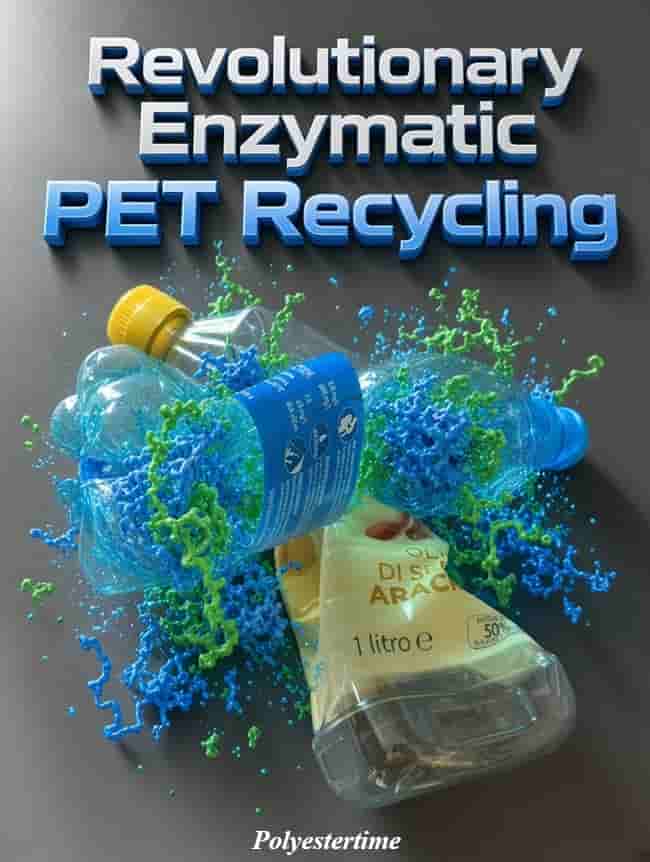
The fight against pollution remains one of the European Union’s core policy priorities. Plastic bottles, already heavily regulated, are once again under scrutiny. EU plastic bottle regulations have reshaped consumption habits across Europe, yet policymakers believe further action is necessary to reduce waste and environmental impact.
Over the past decade, the EU has steadily tightened restrictions on single-use plastics. What began with bans and labeling rules has now evolved into a comprehensive framework targeting design, materials, and recycling systems. The next phase marks a decisive step toward a circular economy.
Attached Caps: Environmental Goal, Consumer Resistance
One of the most debated EU plastic bottle regulations came into force in 2024 with the requirement for attached caps. The objective was to prevent small plastic components from becoming litter and to ensure caps are recycled together with bottles.
Despite its environmental logic, the measure was poorly received by many consumers. Attached caps are often considered inconvenient, and in many cases they can still be removed with little effort. This has prompted manufacturers to rethink cap design while remaining compliant with EU plastic bottle regulations.
For the packaging industry, this rule has become a practical test of how environmental policy can influence everyday product design.
Recycled Plastic Content Becomes a Legal Obligation
Another key pillar of EU plastic bottle regulations is the mandatory use of recycled plastic. Current rules already require bottles to contain at least 25 percent recycled material, a figure set to rise significantly.
By 2030, plastic bottles sold in the EU must include at least 30 percent recycled plastic. This requirement is transforming supply chains, as producers compete for high-quality recycled polymers that meet food safety and performance standards.
The economic implications are substantial. Recycled plastic often costs more than virgin material, but EU lawmakers see this as a necessary investment to reduce reliance on fossil resources and stabilize recycling markets.
The 90 Percent Collection Target
Material changes alone are not enough. EU plastic bottle regulations also focus on how waste is collected. By 2029, 90 percent of plastic bottles must be collected separately for recycling.
This ambitious target is accelerating the adoption of deposit return systems across Europe. Countries that already use bottle deposits consistently report higher collection rates and cleaner recycling streams.
For consumers, this means more structured disposal habits. For governments, it requires investment in infrastructure and public awareness. For the EU, it is a critical step toward closing the plastic loop.
Bioplastics Gain Strategic Importance
Beyond recycling, EU plastic bottle regulations are increasingly addressing the materials themselves. Bioplastics are emerging as a potential solution to reduce environmental impact and dependence on fossil-based plastics.
The EU’s strategy emphasizes not only waste reduction but also improved recyclability and degradability. This has brought materials such as PLA and PHA into policy discussions, research programs, and pilot projects.
PLA and PHA: Promise and Practical Limits
PLA, or polylactic acid, is currently the most established bioplastic considered under EU plastic bottle regulations. Derived from fermented plant sugars, it offers relatively lower costs and is already used in packaging and disposable products.
PHA, or polyhydroxyalkanoates, represents a newer generation of bioplastics. Produced by bacteria using vegetable oils or organic waste, PHA is fully biodegradable and has a lower long-term environmental footprint.
However, both materials face challenges. Production costs remain high, industrial composting infrastructure is uneven, and improper disposal can compromise sustainability benefits. For now, bioplastics are seen as a complementary option rather than a full replacement for traditional plastics.
What Comes Next for Consumers and Industry
The evolution of EU plastic bottle regulations signals a long-term shift rather than a temporary adjustment. Consumers should expect further changes in bottle design, labeling, and recycling systems. Manufacturers, meanwhile, must invest in innovation to remain compliant and competitive.
Plastic bottles have become a testing ground for Europe’s environmental ambitions. Whether recycled content, improved collection, or bioplastics will deliver the expected results depends on cooperation between policymakers, industry, and citizens.
What is clear is that EU plastic bottle regulations will continue to shape how Europe produces, uses, and disposes of one of its most common everyday products.
More…