India’s r-PET Industry Struggles Despite 40% Recycling Mandate
India r-PET recycling mandate
India’s r-PET Industry Under Pressure Despite 40% Recycling Mandate
India’s recycled PET (r-PET) industry is facing growing pressure even as the country moves toward stricter recycled-content requirements for plastic packaging.
Industry representatives say recycling capacity is already available, but many packaging brands are still not using enough recycled material. As a result, several recycling facilities are operating below their potential capacity.
According to Goutham Jain, Director General of APR Bharat, around 20–25% of India’s r-PET production capacity is currently idle due to insufficient demand from packaging companies and brand owners.
Recycling Capacity Already Exists
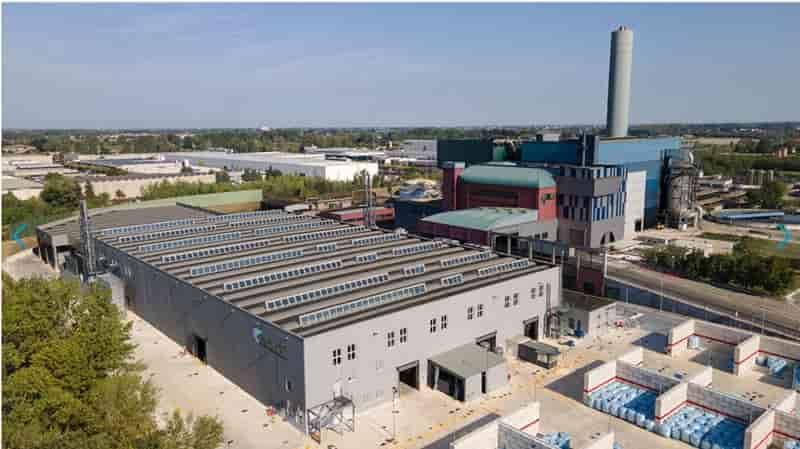
India currently has 17 food-contact r-PET plants approved by the Food Safety and Standards Authority of India. Together, these facilities can produce approximately 439,000 tonnes of recycled PET annually. India r-PET recycling mandate
Industry leaders say this capacity is already enough to support the government’s requirement that food-grade PET packaging contain 40% recycled content during the 2026–27 fiscal year. The available supply can also cover an additional carry-forward obligation of up to 10% from the previous fiscal year.
The sector is also preparing for future growth. India’s total r-PET production capacity is expected to rise to nearly 1.226 million tonnes by March 2027. That expansion would support the country’s planned move toward a 60% recycled-content requirement by the 2028–29 fiscal year.
Brands Slow to Adopt Recycled PET
Despite the available infrastructure, recyclers say many packaging companies have been slow to increase the use of recycled PET in their products.
APR Bharat warns that continued delays in compliance could weaken India’s broader circular economy goals. The organization also says slow adoption risks undermining international commitments related to plastic waste reduction and sustainability.
Industry stakeholders are urging brand owners and packaging users to follow regulatory timelines more closely and collaborate with recyclers to strengthen the domestic recycling supply chain.
Circular Economy Goals at Risk
The Indian recycling industry argues that stronger cooperation between manufacturers, packaging companies, and recyclers will be necessary to ensure long-term sustainability targets are achieved.
With substantial investments already made in food-grade recycling infrastructure, recyclers warn that underused plants could slow future investment and delay progress toward a more circular plastics economy.
If adoption rates improve, India’s r-PET sector could play a major role in reducing plastic waste, increasing resource efficiency, and supporting more sustainable packaging production across the country.
More…