Seaweed Barrier Coatings: Amcor and Kelpi Target Fiber Packaging
Seaweed Barrier Coatings: Amcor and Kelpi Target the Next Step in Fiber Packaging
Amcor has partnered with U.K.-based materials startup Kelpi to explore next-generation barrier coatings for fiber-based packaging, a move that reflects the packaging industry’s growing effort to replace fossil-based layers without losing performance.
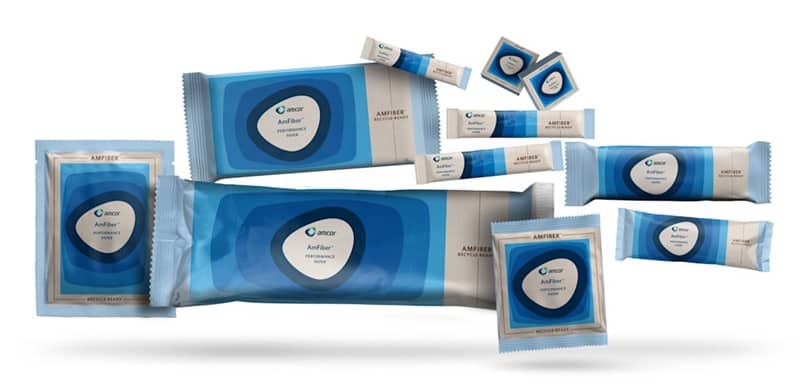
The collaboration focuses on Kelpi’s seaweed-derived coating technology, which Amcor’s research and development teams are evaluating for possible use within the AmFiber fiber-based solutions platform. According to Amcor, the objective is to expand the range of recyclable, high-performance fiber packaging options for consumer goods applications.
Why barrier coatings matter in paper packaging
Fiber packaging is attractive because it is widely collected and familiar to consumers. But paper and board alone cannot always protect products from moisture, oxygen, grease, aroma transfer, or shelf-life loss.
That is why many paper-based packs still depend on plastic films, waxes, aluminum layers, or other coatings. These materials can improve product protection, but they may also complicate recycling or reduce the value of recovered fiber.
The current challenge is therefore not simply to replace plastic with paper. The real challenge is to make fiber packaging perform more like conventional flexible packaging while remaining compatible with recycling systems.
What Amcor and Kelpi are testing
Kelpi’s technology is based on bio-derived seaweed materials designed to provide barrier performance for fiber packaging. Amcor says the material is being assessed for gas and moisture protection, processability, and paper recyclability.
This is important because industrial packaging lines require more than a good laboratory result. A coating must be able to run at commercial speed, remain stable during converting, protect the product, and fit into the end-of-life route claimed on the pack.
Amcor has linked the collaboration to its broader innovation strategy and to the expansion of its AmFiber platform. The company says the potential advantages of bio-based coatings include lower reliance on fossil-derived feedstocks and greater use of renewable resources. seaweed barrier coatings
A signal for the fiber-based packaging market
The Amcor-Kelpi partnership comes as brand owners and packaging suppliers search for paper-based alternatives that can meet stricter sustainability expectations without creating new technical problems.
Packaging Europe reported that Kelpi’s seaweed-derived coatings are intended to deliver gas and moisture barrier performance comparable to conventional plastic coatings, while remaining compatible with paper recycling streams. That positioning is significant because many fiber-based formats fail commercially when barrier performance, machinability, or recyclability are treated separately rather than as one system.
The partnership also shows how large packaging groups are increasingly using startup collaborations to accelerate material innovation. Startups can bring specialized biomaterial platforms, while global packaging companies can test scale-up, converting performance, customer demand, and regulatory fit across multiple markets.
Why seaweed is attracting attention
Seaweed-based materials are gaining interest because they are renewable and do not rely on the same fossil feedstocks used in many conventional plastic coatings. In packaging, the appeal is not only the origin of the material, but whether it can deliver measurable performance while keeping paper packaging recyclable.
For fiber packaging, the most promising applications may include dry foods, personal care, beauty, health, and selected consumer goods where moisture, oxygen, grease, or aroma barriers are required. However, commercial success will depend on the exact pack format, product sensitivity, shelf-life target, local recycling infrastructure, and total cost.
What still needs to be proven
The announcement is promising, but it should not be read as a full commercial rollout. Amcor is currently evaluating Kelpi’s technology, which means the companies still need to demonstrate that the coating can meet demanding real-world conditions at scale.
Key questions remain: Can the coating run efficiently on high-speed packaging lines? Can it protect sensitive products throughout the required shelf life? Can it be recycled consistently in existing paper streams? Can it compete economically with established coatings and laminates?
These are the practical tests that will determine whether seaweed barrier coatings move from innovation pipeline to broad commercial packaging use.
Why this matters for circular packaging
If successful, the collaboration could help close one of the biggest gaps in sustainable packaging: the lack of recyclable fiber-based structures with strong barrier properties.
Paper packaging is often seen as a simple sustainability upgrade, but without the right coating technology it may not protect products adequately or may require non-recyclable layers. Bio-based barrier coatings could offer a more balanced route, combining renewable content, product protection, and circularity.
For Amcor, the Kelpi collaboration strengthens its AmFiber development pipeline. For Kelpi, it offers access to global R&D, converting expertise, and potential scale. For the wider packaging market, it is another sign that the next phase of sustainable packaging will be driven by material engineering, not by paper substitution alone.
FAQ
What are seaweed barrier coatings?
Seaweed barrier coatings are bio-based coating materials derived from seaweed or seaweed-related chemistry. They are designed to help paper or fiber packaging resist moisture, oxygen, grease, or other external factors that can damage packaged products.
Why are barrier coatings needed in fiber packaging?
Paper and board are not naturally strong barriers against moisture, gases, oils, or aromas. Coatings are used to improve protection, shelf life, and pack functionality.
Are seaweed coatings recyclable?
The Amcor-Kelpi collaboration is evaluating coating technology designed to be compatible with paper recycling streams. Final recyclability depends on the exact packaging structure, coating level, local recycling rules, and testing standards.
Is this already available commercially?
The companies have announced a collaboration and evaluation phase. The announcement does not confirm a broad commercial launch yet.
Why is Amcor interested in this technology?
Amcor is exploring bio-based coatings to expand its AmFiber fiber-based packaging platform and develop more sustainable packaging options that still meet functional performance requirements.
More…