Industrial Pyrolysis Delivers Powerful Economic Growth by Transforming Waste into Profitable Energy, Fuel, and Circular Industrial Resources Worldwide 24-12-2025
Industrial pyrolysis
The Economic Value of Industrial Pyrolysis
Industrial pyrolysis is rapidly emerging as one of the most valuable technologies for modern waste management and sustainable energy production. As industries face rising disposal costs, stricter environmental regulations, and increasing energy demand, pyrolysis offers a practical and profitable solution.
By using high temperatures in an oxygen-free environment, a pyrolysis machine thermally decomposes waste materials into reusable resources. Plastics, rubber tires, and biomass are transformed into pyrolysis oil, syngas, and solid char. These outputs create new revenue opportunities while significantly reducing waste volumes.
Unlike traditional incineration or landfilling, industrial pyrolysis aligns economic performance with environmental responsibility, making it a cornerstone technology for the circular economy.
How Industrial Pyrolysis Works
A pyrolysis machine operates by heating organic or synthetic materials to temperatures typically between 400 and 800 degrees Celsius without oxygen. This controlled process prevents combustion and instead breaks complex materials into simpler chemical components.
The result is three primary outputs:
Pyrolysis oil, a liquid fuel alternative
Syngas, a combustible gas used for heat or power
Carbon char or carbon black, a solid material with industrial applications
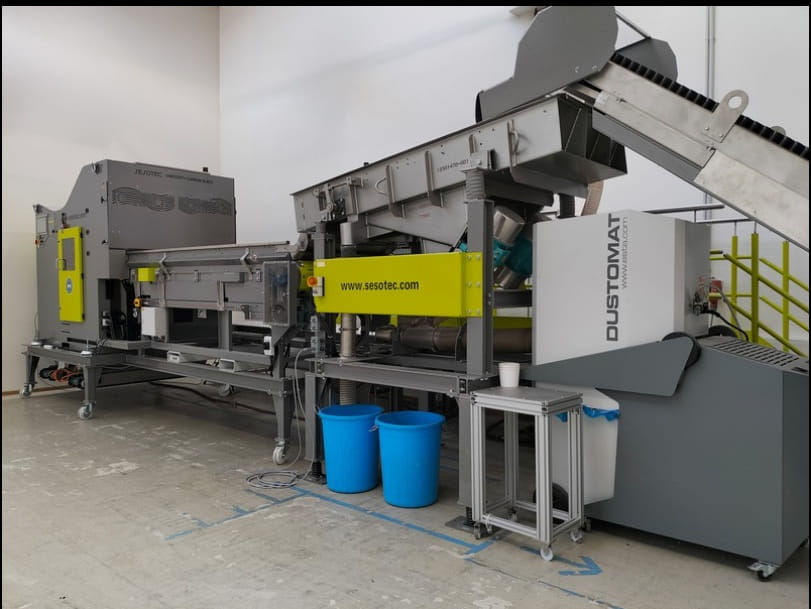
Modern industrial pyrolysis systems are automated, energy-efficient, and designed for continuous operation, making them suitable for large-scale commercial use.
Turning Waste into Profitable Products
One of the strongest economic advantages of industrial pyrolysis is its ability to convert low-value or negative-value waste into marketable products.
Plastic waste processed in a pyrolysis machine produces fuel oil that can be refined and reused in industrial burners or blended fuels. End-of-life tires generate recovered carbon black, widely used in rubber manufacturing, inks, and pigments. Biomass waste yields biochar, a product increasingly valued in agriculture and carbon sequestration.
These outputs allow companies to monetize waste streams that previously generated disposal costs, creating predictable and scalable income sources.
Cost Reduction Through Resource Recovery
Beyond revenue generation, industrial pyrolysis significantly lowers operating expenses. Waste disposal fees, transportation costs, and environmental compliance expenses can place a heavy financial burden on manufacturers and municipalities.
By installing a pyrolysis machine, waste volume can be reduced by up to 90 percent. This dramatically cuts landfill fees and reduces logistical complexity. Additionally, syngas produced during pyrolysis is often reused to power the system itself, lowering external energy consumption.
Recovered materials such as carbon black can either be sold to third parties or reused internally, further improving profit margins and resource efficiency.
Industrial Pyrolysis Case Studies Worldwide
Industrial pyrolysis is already delivering measurable economic results across multiple regions and industries.
Plastic Waste Processing in Asia
In densely populated countries such as China and India, industrial pyrolysis plants process thousands of tons of plastic waste annually. The resulting fuel oil and syngas are sold to local industries, reducing plastic pollution while generating strong financial returns.
Tire Recycling in Europe
European manufacturers use pyrolysis machines to recycle scrap tires into carbon black and fuel oil. The recovered carbon black re-enters the production cycle, supporting closed-loop manufacturing and reducing reliance on virgin materials.
Biomass Conversion in North America
Agricultural waste including wood chips, corn stalks, and rice husks is processed using industrial pyrolysis to produce biochar and syngas. Farms benefit from lower energy costs and improved soil health, creating long-term economic value.
Market Growth and Economic Potential
The global industrial pyrolysis market is experiencing rapid expansion. Analysts project the sector to reach several billion dollars within the next decade, driven by multiple economic and regulatory factors.
Governments are tightening landfill restrictions and offering incentives for clean energy technologies. At the same time, demand for alternative fuels and recycled materials continues to grow across manufacturing, transportation, and energy sectors.
Investing in a pyrolysis machine is no longer experimental. It represents a strategic decision that enhances resilience, profitability, and regulatory compliance in a changing global economy.
Environmental and Economic Alignment
One of the defining strengths of industrial pyrolysis is its ability to align economic performance with sustainability goals. Reducing landfill waste lowers greenhouse gas emissions and minimizes environmental contamination.
At the same time, producing renewable fuels and recycled materials reduces dependence on fossil resources. For companies under pressure to meet environmental, social, and governance benchmarks, pyrolysis provides measurable, reportable impact.
This balance of profit and responsibility positions industrial pyrolysis as a key enabler of sustainable industrial transformation.
Conclusion
Industrial pyrolysis is redefining how industries view waste. By using advanced pyrolysis machines, companies can transform plastics, tires, and biomass into valuable fuels, energy, and industrial materials.
The economic value of pyrolysis lies in its dual advantage. It creates new revenue streams while reducing disposal, energy, and compliance costs. As adoption increases and technology advances, industrial pyrolysis will continue to play a critical role in the global shift toward circular and sustainable economic systems.
For forward-thinking businesses, industrial pyrolysis is not just a waste solution. It is a long-term investment in profitability, resilience, and environmental leadership.
More…