Korea anti-dumping tariffs – Korea’s Firm Move to Increase Anti-Dumping Tariffs on Chinese PET Film Imports Strengthens Domestic Industries and Protects Market Stability Amid Intensifying Global Trade Pressures 20-11-2025
Korea anti-dumping tariffs
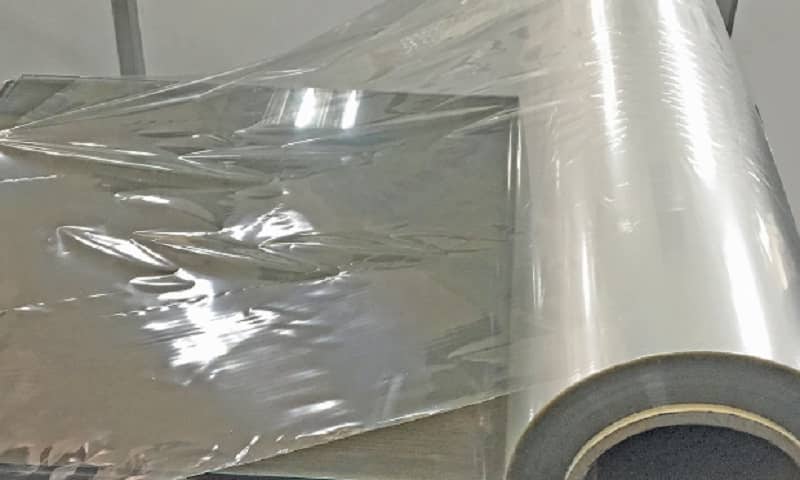
South Korea has taken a significant step to protect its manufacturing sector by increasing anti-dumping tariffs on polyethylene terephthalate (PET) film imports from two Chinese producers. This decision marks an important milestone for domestic companies seeking fair competition and stronger market stability. It also reflects a growing international trend toward stricter trade regulation as global supply chains shift.
The move comes after the Korea Trade Commission (KTC) conducted a detailed reexamination of current tariff levels, ultimately concluding that adjustments are necessary to prevent further market disruption. As part of its updated measures, the KTC confirmed a substantial increase in the duties applied to products imported from Kanghui New Material Technology and Tianjin Wanhua. These changes are designed to counterbalance price distortions attributed to dumping activities. Throughout this review, the principle of strengthening Korea anti-dumping tariffs played a central role in shaping the outcome.
Significant tariff adjustments for Chinese manufacturers
Under the newly approved measures, Kanghui New Material Technology will now face anti-dumping duties of 7.31 percent, up from the previous 2.2 percent. This revised rate aims to reduce the competitive advantage created by below-market export pricing. Meanwhile, Tianjin Wanhua will experience an even steeper increase, with tariffs rising from 3.84 percent to an elevated 36.98 percent. According to the commission, this sharp adjustment is expected to prevent excessive import flows that could threaten local manufacturers.
These targeted increases underline Korea’s broader strategy to ensure that the Korea anti-dumping tariffs framework remains effective in maintaining balanced trade conditions. The decision also establishes a precedent as the first instance in which the KTC has reexamined anti-dumping measures at the direct request of domestic producers.
Domestic companies push for tariff reassessment
The request for review was initiated by four Korean companies, including Kolon Industries and Hyosung Chemical. These firms cited rising competitive pressure and the growing volume of low-cost PET film imports that had begun to impact domestic production. With PET films serving as essential components in industries such as packaging, electronics, and renewable energy, ensuring steady and fair market operations is crucial for Korea’s industrial resilience.
The companies argued that previously imposed duties were no longer sufficient to counteract shifting export strategies from Chinese firms. As import volumes increased, so did concerns that dumping practices could expand their market share at the expense of Korean producers. This prompted renewed discussions about the role of Korea anti-dumping tariffs in safeguarding key industries.
KTC’s reasoning behind the tariff hikes
In its final analysis, the KTC determined that both volume trends and pricing behaviors indicated a risk of growing market disruption. The commission stated that strengthening Korea anti-dumping tariffs would help limit the impact of artificially low-priced imports and support stable competition. Officials also emphasized that failing to adjust duty rates could lead to long-term harm as domestic companies face increasing difficulty maintaining market presence.
A KTC representative noted that the probability of increased dumping activity was a major factor in reaching the final decision. With tariff rates now recalibrated, the commission expects a positive shift toward healthier market conditions.
Implications for Korean industry and future trade policy
The decision to increase Korea anti-dumping tariffs signals the country’s evolving approach to trade defense. As industries diversify and competition intensifies, Korea is placing stronger emphasis on protecting sectors that hold strategic importance. PET films represent one such sector due to their wide-ranging applications and integral role in domestic production.
For manufacturers, this adjustment provides much-needed breathing room. By countering the pricing pressures caused by dumped imports, Korean companies can maintain competitiveness, reinvest in technology, and focus on industry growth. The updated tariff rates also reinforce Korea’s commitment to fair trade practices and market transparency.
Looking ahead, the KTC’s findings could influence similar reviews across other product categories. As global trade dynamics continue to shift, Korea may rely more heavily on revised anti-dumping measures to safeguard economic stability. The recalibration of Korea anti-dumping tariffs could become a key reference point for future decisions aimed at managing import-related risks.
More…