Label free bottled water – South Korea Takes Aggressive Sustainability Step by Mandating Label-Free Bottled Water Nationwide by 2026 to Cut Plastic Waste and Boost Recycling 17-12-2025 - Archive
Label free bottled water
Introduction
South Korea is taking a decisive step toward reducing plastic waste by mandating label-free bottled water across the entire domestic market beginning January 1, 2026. The policy removes traditional plastic labels from bottled water and replaces them with digital QR codes, marking one of the most comprehensive packaging reforms in the global beverage industry.
The regulation is designed to reduce plastic use, simplify recycling, and maintain full access to product safety information. It positions South Korea as a global leader in sustainable packaging policy and circular economy practices.
What Label-Free Bottled Water Means
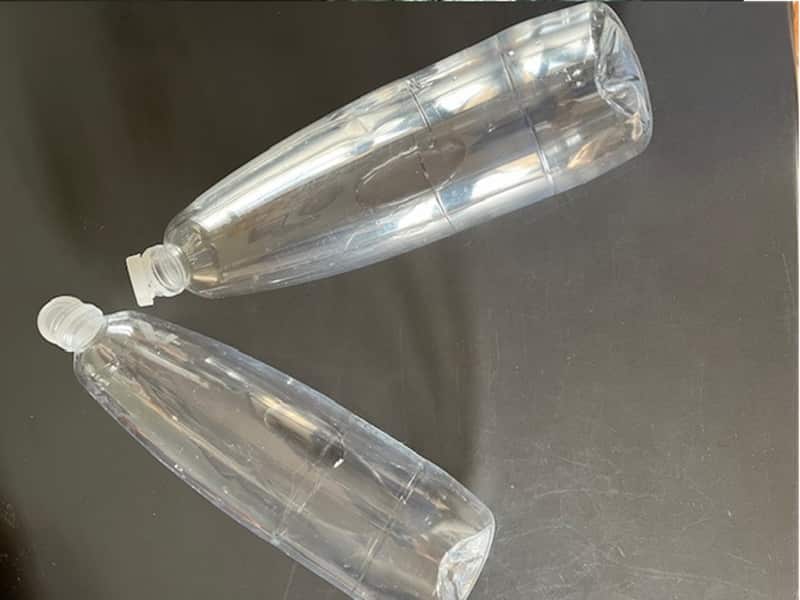
Under the new regulation, all bottled water sold in South Korea must be produced and distributed without plastic labels. Instead of printed labels wrapped around bottles, manufacturers will provide product information digitally through QR codes placed on bottle caps.
For small or bundled products, required information will appear on the outside of the packaging or on carrying handles. This ensures consumers still receive clear and accessible details without increasing plastic usage. Label free bottled water
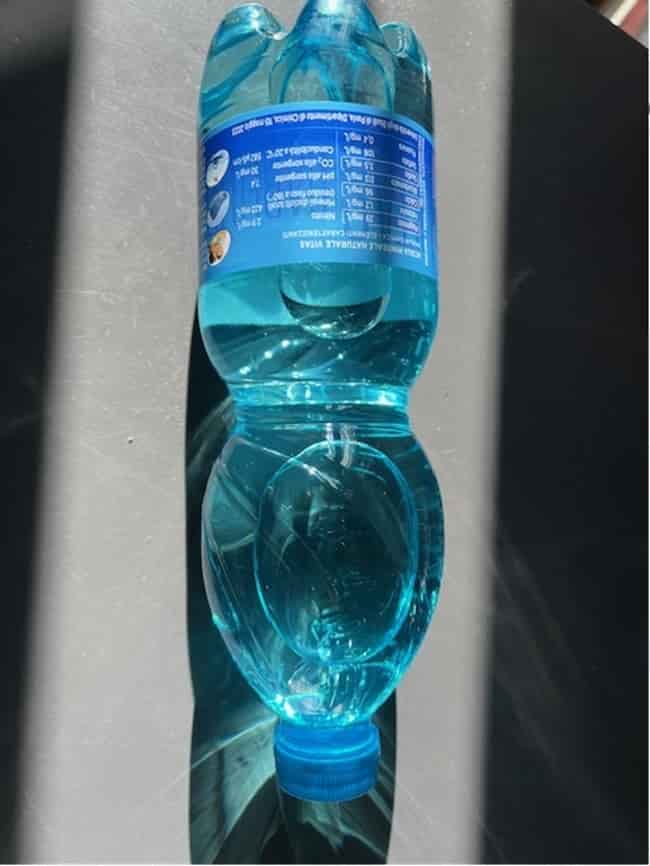
The move addresses one of the most persistent recycling challenges. Plastic labels often contaminate PET recycling streams, lowering material quality and increasing processing costs. Label free bottled water
Required Product Information Remains Mandatory
Although physical labels are being eliminated, transparency remains a core requirement of the label-free bottled water policy. The government mandates that essential information must still be clearly accessible. Label free bottled water
Required details include:
-
Product name
-
Manufacturing date and expiration date
-
Water source
-
Manufacturer or distributor contact information
This information must be accessible directly on the bottle cap or external packaging through scannable digital tools.
Implementation Timeline and Transition Period
The label-free bottled water mandate will take effect nationwide on January 1, 2026, covering manufacturing and distribution processes.
Different sales channels will follow distinct timelines:
-
Products sold online and bundled offline must comply starting in 2026 Label free bottled water
-
Individually sold bottled water in offline retail locations will receive a one-year transition period
This phased approach allows manufacturers and retailers time to adjust equipment, packaging systems, and consumer communication strategies.
Environmental Impact and Plastic Reduction
The South Korean government estimates the fully implemented label-free bottled water system will reduce plastic label use by approximately 2,270 metric tons per year. Label free bottled water
This estimate is based on production volumes of around 5.2 billion bottles in 2024. Eliminating plastic label strips at this scale significantly lowers plastic consumption while improving PET bottle recyclability.
By removing labels entirely, bottles can be recycled more efficiently without additional separation steps, reducing energy use and contamination rates. Label free bottled water
Government Support for Industry Adoption
To ensure smooth implementation, the Ministry of Climate, Energy and Environment is actively supporting manufacturers, distributors, and small businesses. Label free bottled water
Government support measures include:
-
Providing barcode and QR code sticker systems
-
Pre-entering product information into retail point-of-sale systems
-
Enhancing consumer education on scanning and accessing information
-
Distributing information-pattern scanning equipment to small retailers
These measures aim to reduce compliance costs and ensure that businesses of all sizes can participate in the transition.
Progress Since Initial Rollout
South Korea has been gradually expanding the label-free bottled water system since 2020. Adoption has accelerated steadily as infrastructure and consumer familiarity improved. Label free bottled water
As of October 2025, label-free bottled water accounted for approximately 65 percent of total manufacturing volume. This progress demonstrates strong industry readiness ahead of the 2026 mandate.
The government views this phased adoption as proof that large-scale packaging reform is achievable without disrupting supply chains or consumer access. Label free bottled water
Additional PET Recycling Requirements Starting 2026
The label-free bottled water mandate is part of a broader effort to reduce plastic waste in the beverage sector. Beginning in 2026, South Korea will also require bottled water and non-alcoholic beverage producers using more than 5,000 tons of PET annually to incorporate recycled content. Label free bottled water
Under the new rule:
-
Bottles must contain at least 10 percent recycled plastic
-
The requirement applies to large-scale beverage producers
This dual approach targets both packaging design and material composition, reinforcing circular economy principles.
Implications for the Global Beverage Industry
South Korea’s policy sets a powerful precedent for other countries exploring sustainable packaging regulations. Label-free bottled water systems demonstrate that digital information tools can replace traditional packaging elements without sacrificing safety or transparency.
Global beverage brands operating in South Korea will need to adapt their packaging strategies, potentially accelerating similar changes in other markets.
The regulation also creates new opportunities for packaging innovation, QR code technology providers, and recycling infrastructure development.
Conclusion
The mandate for label-free bottled water by 2026 represents a major milestone in South Korea’s environmental policy. By eliminating plastic labels, enhancing recycling efficiency, and maintaining consumer access to information, the government is reshaping how beverages are packaged and sold.
Combined with new recycled PET requirements, the policy reflects a long-term commitment to reducing plastic waste at scale. As implementation moves forward, South Korea’s approach may become a global model for sustainable beverage packaging.
More…