Waste Crisis to Circular Opportunity: Italy’s Material Recovery Facility in Nairobi Brings Hope for Recycling, Jobs, and Cleaner Communities in Korogocho Settlement 09-03-2026
Waste Crisis to Circular Opportunity: Italy’s Material Recovery Facility in Nairobi Brings Hope for Recycling, Jobs, and Cleaner Communities in Korogocho Settlement
Nairobi faces an escalating waste challenge as rapid urban growth continues to increase pressure on municipal services. In response, Italy has launched a material recovery facility in Nairobi, a strategic initiative designed to improve recycling systems, strengthen community waste management, and support sustainable development in one of the city’s most vulnerable settlements.
The new plant, located in the Korogocho informal settlement, was inaugurated by the Italian government through the Italian Agency for Development Cooperation (AICS). The project was implemented in collaboration with UN-Habitat, Nairobi City County, the AVSI Foundation, and Miss Koch Kenya. It forms part of the broader Waste Wise Nairobi – Korogocho Chapter program, which aims to transform waste management into a community-driven circular economy model.
A new material recovery facility in Nairobi supporting circular economy goals
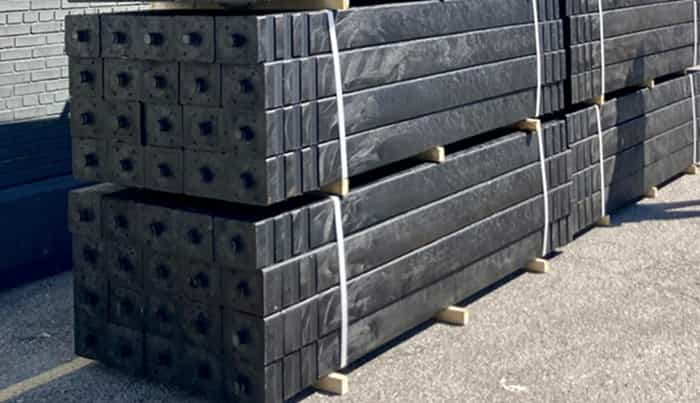
The material recovery facility in Nairobi functions as a central hub for sorting and aggregating recyclable waste materials collected in Korogocho and surrounding areas. The plant processes plastics including polyethylene terephthalate (PET), high-density polyethylene (HDPE), and low-density polyethylene (LDPE), as well as paper and other recyclable materials.
Once sorted, these materials are sold to recycling companies, creating new revenue streams for local waste operators and strengthening the recycling supply chain. This approach supports both environmental sustainability and economic inclusion by formalizing informal waste collection activities.
The facility represents a critical step toward building a circular economy in Nairobi, where waste is no longer viewed as a problem but as a resource that can generate employment and reduce environmental damage.
Addressing Nairobi’s growing waste management challenge
The material recovery facility in Nairobi was developed in response to the city’s growing waste crisis. Nairobi produces approximately 4,000 tons of municipal solid waste every day, yet only about 65 percent of this waste is collected by formal systems. Even more concerning, only around 5 percent is currently recycled.
Informal settlements such as Korogocho are particularly affected. Limited access to formal waste collection services often leads to illegal dumping, clogged drainage systems, and polluted waterways. These conditions contribute to environmental degradation and increase health risks for residents.
The new facility directly addresses these challenges by improving waste collection, enabling recycling, and strengthening local waste management systems that operate within the community.
Empowering local waste collectors and community organizations
A key component of the Waste Wise Nairobi program is the empowerment of local actors. The material recovery facility in Nairobi works in partnership with community-based organizations that already play a central role in waste collection across Korogocho.
Through the project, 29 community-based organizations involved in waste management received training, equipment, and technical support designed to professionalize their operations. The program helped these groups improve collection methods, adopt safer waste handling practices, and integrate into a more structured recycling ecosystem.
Community awareness campaigns were also implemented to encourage households to separate waste at the source. This step is essential for increasing recycling rates and improving the efficiency of the facility’s sorting processes.
Building a cooperative system for sustainable waste management
One of the most significant outcomes of the project has been the creation of a unified governance structure among waste collectors. Of the 29 community-based organizations participating in the program, 21 have formed an umbrella union with elected leadership.
This cooperative model will manage the material recovery facility in Nairobi, ensuring that the benefits of the project are distributed across the community while maintaining transparency and accountability. By organizing waste collectors into a formal network, the initiative strengthens the long-term sustainability of recycling activities in the area.
The cooperative also creates opportunities for workers to gain more stable incomes and access better working conditions compared with traditional informal waste picking.
Environmental benefits for Nairobi’s urban settlements
The introduction of the material recovery facility in Nairobi offers multiple environmental advantages. By increasing recycling capacity, the facility reduces the volume of waste sent to landfills and open dumping sites.
Improved waste management also helps prevent plastics and other pollutants from entering drainage channels and rivers. This is particularly important in dense urban settlements where flooding and water contamination often result from blocked drainage systems. material recovery facility in Nairobi
In addition, the project supports climate mitigation efforts. Recycling materials such as PET, HDPE, and paper significantly reduces greenhouse gas emissions compared with producing these materials from virgin resources.
A model for sustainable urban waste management
The material recovery facility in Nairobi demonstrates how international cooperation, local leadership, and community engagement can combine to address complex urban challenges. By integrating informal waste collectors into a formal recycling system, the project creates a practical pathway toward more inclusive and sustainable waste management.
The Korogocho initiative also offers a model that could be replicated in other informal settlements across Nairobi and in rapidly growing cities throughout Africa.
As urban populations continue to rise, sustainable waste infrastructure will become increasingly critical. Projects like this show how targeted investments in recycling and community capacity can transform waste management from a public health crisis into a driver of green jobs, environmental protection, and circular economic growth.
More…