Oil Price Surge Signals Energy Market Turbulence as Middle East Crisis Lifts Brent Toward $90 and WTI Near $85 06-03-2026
Oil Price Update: Brent Near $90 and WTI Above $80 as Middle East Supply Risks Shake Global Energy Markets
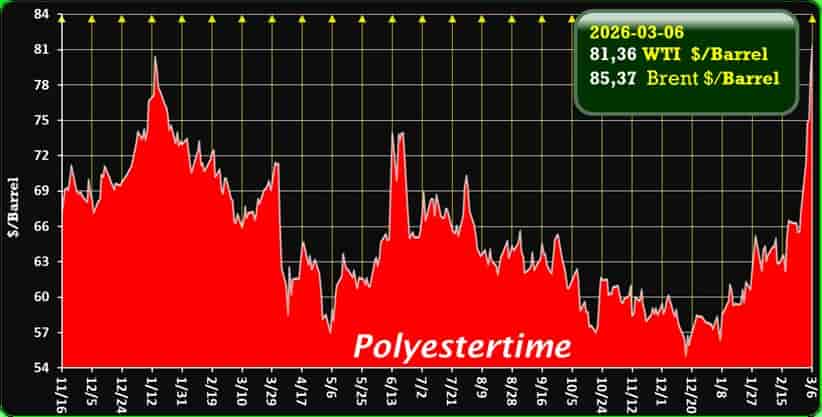
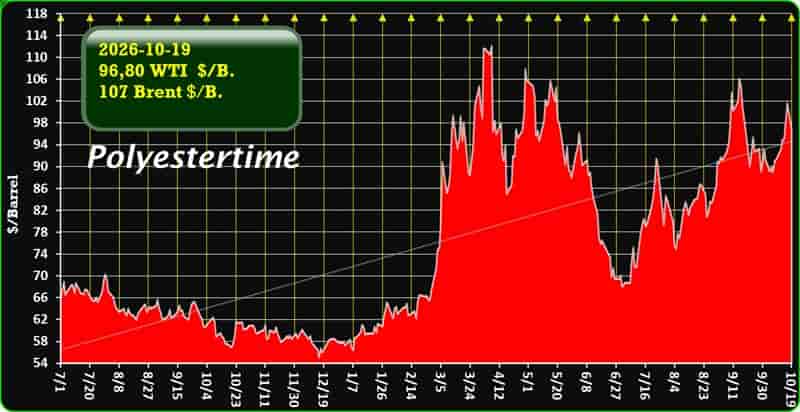
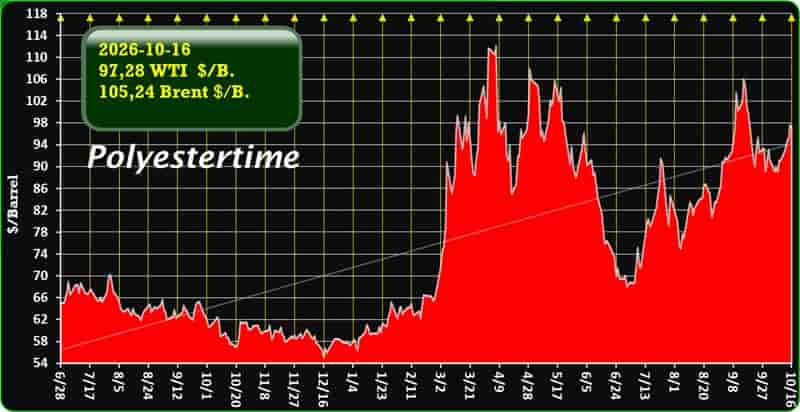
The Cude price climbed significantly on March 6, 2026, as geopolitical tensions in the Middle East and fears of supply disruptions lifted crude benchmarks. Brent crude is trading roughly between $85 and $89 per barrel, while U.S. West Texas Intermediate (WTI) fluctuates between $81 and $85 per barrel, reflecting heightened uncertainty across energy markets.
Investors are closely watching developments in the region and global supply conditions, which have pushed the oil price to its highest levels in months.
Current Oil Price Snapshot (March 6, 2026)
| Benchmark | Price Range | Trend | Key Drivers |
|---|---|---|---|
| Brent Crude | $85 – $89 / barrel | Upward | Middle East supply disruption |
| WTI Crude | $81 – $85 / barrel | Upward | Investor risk premium |
| Weekly Change | Up to +17% in some sessions | Strong rally | Strait of Hormuz disruption |
Recent market data shows Brent posting one of its strongest weekly gains in years as supply concerns intensify.
Why the Oil Price Is Rising Today
Several major factors are driving the current Cude price rally. These range from geopolitical tensions to supply-demand dynamics and investor sentiment.
1. Middle East Crisis and Strait of Hormuz Disruptions
The most immediate driver of the oil price spike is the escalating conflict involving Iran and its impact on energy shipping routes.
The Strait of Hormuz — one of the world’s most critical oil transit chokepoints — has experienced severe disruptions, dramatically slowing tanker traffic and threatening global supply chains.
Because roughly 20% of global oil shipments pass through this corridor, any interruption rapidly increases the geopolitical risk premium embedded in the oil price.
Energy traders have responded by bidding up crude futures amid fears that exports from Gulf producers could decline or be delayed.
2. Global Supply Risks and Energy Infrastructure Concerns
Beyond shipping disruptions, the crisis has also affected energy facilities and refinery operations across the region.
Some oil and gas infrastructure in the Middle East has faced shutdowns or security threats, which has amplified supply concerns in global markets.
Even temporary disruptions can influence the Cude price because the market operates on tight supply margins.
Meanwhile, higher transport costs and insurance premiums for tankers are further raising the cost of moving crude around the world.
3. OPEC+ Strategy and Production Signals
OPEC+ policies continue to play a key role in shaping the oil price outlook.
The cartel has maintained a disciplined supply strategy while signaling readiness to adjust output if markets tighten. Analysts note that strong global demand growth — estimated at around 1.4 million barrels per day in 2026 — could keep the market relatively balanced.
However, if geopolitical disruptions worsen, OPEC+ may need to consider production increases to stabilize the oil price.
4. Economic Data and Investor Sentiment
Financial markets are also reacting to the rising oil price, which has triggered concerns about inflation and economic stability.
In recent trading sessions, equity markets fell as investors worried that higher energy costs could slow economic growth and delay potential interest rate cuts.
The International Monetary Fund has warned that sustained increases in the Cude price could raise global inflation and slightly reduce economic growth if energy costs remain elevated.
Oil Price Impact on Global Markets
The rise in the oil price has broad implications for global energy markets and the wider economy.
| Sector | Impact of Higher Oil Price |
|---|---|
| Transportation | Higher fuel costs for airlines and logistics |
| Manufacturing | Increased production costs |
| Consumers | Rising gasoline and heating bills |
| Energy sector | Increased profitability for oil producers |
Airlines are already facing higher jet fuel costs as supply tightens, illustrating how quickly crude price movements ripple through the broader energy system.
Short-Term Oil Price Outlook
Looking ahead, the trajectory of the oil price will depend on three key variables:
-
Geopolitical developments in the Middle East
-
OPEC+ supply decisions
-
Global economic data and demand trends
If tensions persist and shipping routes remain disrupted, analysts warn the Cude price could potentially move toward $95–$100 per barrel in the near term.
However, if diplomatic efforts stabilize the region and supply flows resume normally, prices could retreat toward the $80 range as risk premiums fade.
What the Rising Oil Price Means for the Global Economy
The current oil price rally highlights how sensitive energy markets remain to geopolitical shocks.
For policymakers and businesses, higher oil prices increase inflation risks, complicate monetary policy decisions, and raise costs across industries. At the same time, energy producers and exporting nations may benefit from improved revenues.
Ultimately, the coming weeks will determine whether the recent Cude price surge represents a temporary geopolitical shock or the beginning of a more sustained uptrend in global energy markets.
Oil Price Surge Signals Rising Global Energy Risk as Middle East Crisis Tightens Supply and Pushes Brent and WTI Higher
More…