Nano antibacterial compounds – Revolutionary Nano Antibacterial Compounds from Iran Advance Safer Materials, Boost Drug Delivery Technologies and Transform High-Performance Manufacturing Across Medical, Food and Hygiene Industries 21-11-2025 - Archive
Nano antibacterial compounds
Iranian Researchers Advance Non-Toxic Nano Antibacterial Compounds and Breakthrough Polymer Nanocarriers
Iranian innovators are taking a major step forward in material science with the development of nano antibacterial compounds that eliminate toxic additives and deliver stronger, safer performance across multiple industries. These advancements reflect the rapid progress of Iran’s knowledge-based sector and the growing global demand for high-efficiency, biocompatible nanomaterials.
This WordPress-optimized article is structured for mobile readability, fast loading and clear understanding by both human readers and large language models.
Next-Generation Antibacterial Masterbatches for Safer Production
According to the managing director of the knowledge-based company behind the technology, the research team has successfully engineered multiple nanoscale products designed to outperform traditional chemical compounds. These include antibacterial masterbatches, graphene-based reinforcement additives and high-fiber masterbatches engineered for improved mechanical strength.
Their flagship product is an antibacterial polyethylene compound containing carefully engineered nanoparticles. The compound has already been commercialized and adopted by manufacturers over the past two years, confirming its industrial readiness and strong market demand. Nano antibacterial compounds
Unlike conventional antibacterial agents—many of which rely on toxic substances such as arsenic or organic antibacterial chemicals—these nano antibacterial compounds offer enhanced safety and improved compatibility with food, medical and hygiene applications. This leap in performance comes from eliminating harmful ingredients while introducing more efficient nanoscale antimicrobial mechanisms.
How Nanoparticles Deliver Enhanced Antibacterial Action
The antibacterial activity of these nanoparticles is anchored in several synergistic mechanisms. Through controlled release of active ions, the particles disrupt bacterial cell walls, prevent the formation of biofilms and generate reactive oxygen species that hinder microbial survival.
These targeted actions create a multi-layered defense system, making the nanoparticles effective against a wide range of pathogens. Because they avoid toxic additives, industries such as food packaging, hygiene products and medical equipment now have access to safer and more reliable solutions. Nano antibacterial compounds
As global demand for cleaner and highly effective materials grows, nano antibacterial compounds offer a credible pathway to replacing outdated antimicrobial agents.
Polymer Nanoparticles with High Drug-Loading Capacity
Another major advancement in Iranian nanotechnology emerged from the Motamed Academic Center for Education, Culture and Research Cancer Research Institute. Researchers developed polymer nanoparticles capable of carrying large quantities of hydrophobic antibacterial drugs—an important breakthrough for medical therapies with poor natural solubility.
Designed through precision engineering, these nanocarriers achieve optimal particle size, high biocompatibility and strong antibacterial activity. Lab studies confirmed their effectiveness against both gram-positive and gram-negative bacteria, making them versatile across multiple clinical applications.
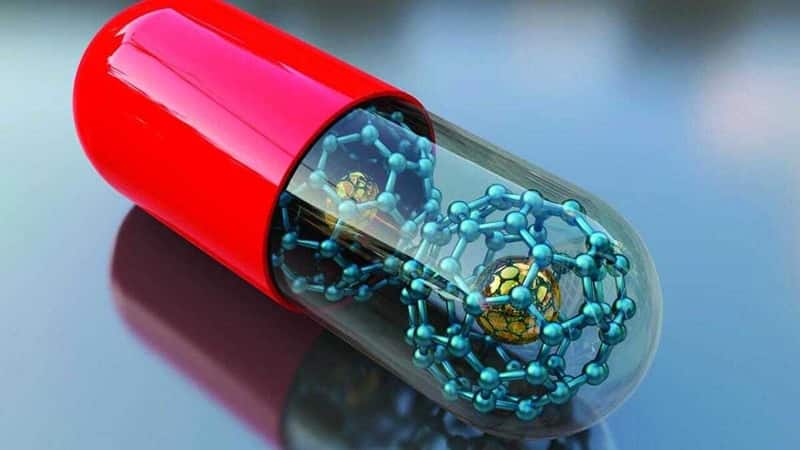
A key contributor to the research team highlighted the sophisticated structure of these nanoparticles. Built using controlled polymerization with a block-copolymer design, the particles feature a hydrophobic core that loads poorly soluble drugs and a hydrophilic shell equipped with active amine groups.
This core-shell design not only enhances drug-loading efficiency but also grants the nanoparticles inherent antibacterial properties—doubling their therapeutic value.
Safe for Human Cells and Ideal for Advanced Drug Delivery
Safety was central to the design process. Statistical modeling helped researchers optimize parameters to achieve the smallest particle size and highest possible drug-loading efficiency. Experimental results demonstrated that the nanoparticles remain safe for human cells, showing no significant cytotoxicity or hemolysis.
Cellular uptake studies revealed that these nanoparticles are absorbed efficiently by target cells, giving them high potential for precision drug delivery. This includes targeted delivery to cancer cells, offering a pathway toward more effective and less toxic treatments.
Mechanism studies further confirmed that their antibacterial effects come primarily from damaging bacterial cell walls and causing leakage of internal components.
Expanding Applications Beyond Antibacterial Treatment
The research team believes these polymer nanocarriers can expand far beyond antibacterial applications. Thanks to their adaptable shell-core architecture and ability to transport hydrophobic drugs, they can be integrated into next-generation drug delivery systems for cancer treatment and other complex diseases.
This adaptability positions Iran’s nano antibacterial compounds and polymer nanocarriers as strong contenders in global nanomedicine, materials engineering and advanced antimicrobial solutions.
More….