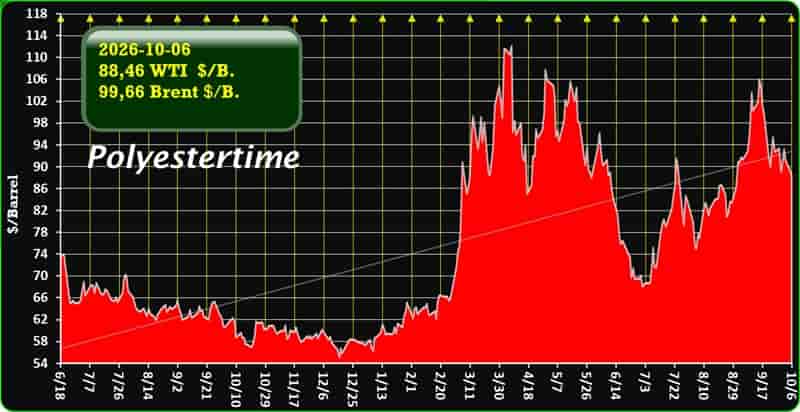
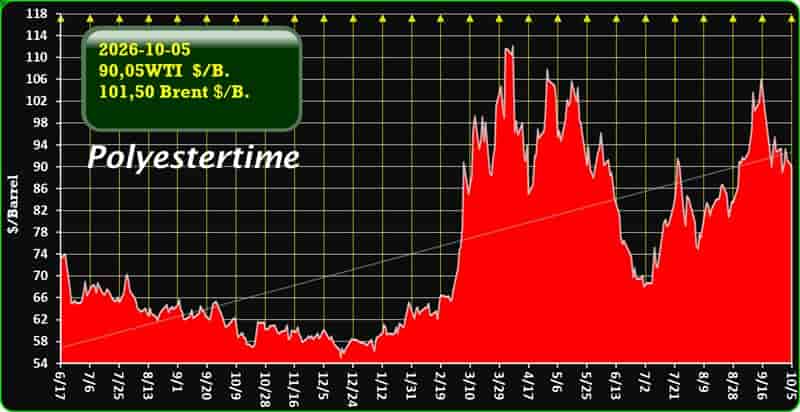
Oil Price Rises on February 27, 2026: Brent Near $71.58 and WTI Around $65.99 as Geopolitical Risks and Supply Moves Support Higher Levels 27-02-2026
📈 Today’s Oil Price Snapshot (Feb 27, 2026)
| Benchmark | Approx. Price (27 Feb 2026) | Trend |
|---|---|---|
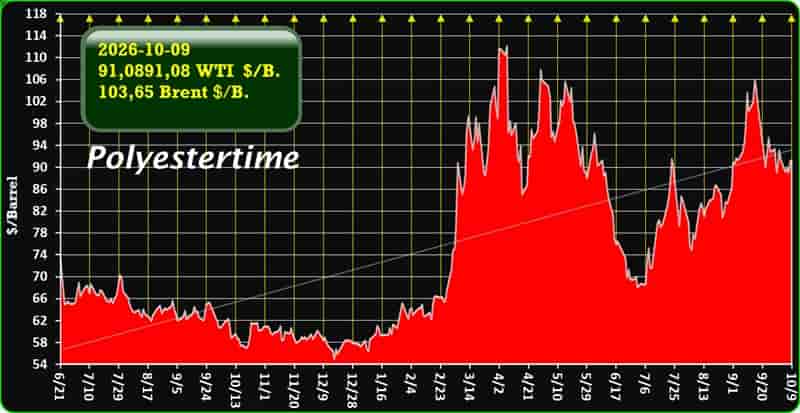
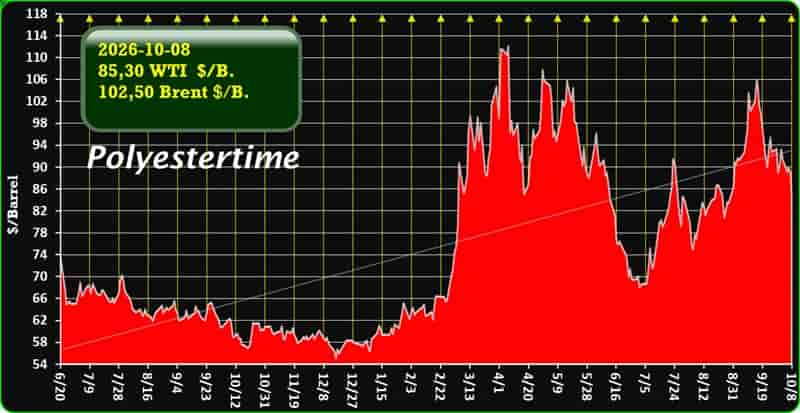
| Brent Crude | ≈ $71.58/b | Slight increase (recent rises reflected in data) |
| WTI Crude | ≈ $65.99/b | Modest upward move as markets react to risk events |
After recent volatility, both benchmarks have shown upward momentum as traders position ahead of key diplomatic and supply developments.
🛢️ What’s Driving the Oil Price Higher?
🧨 1. Geopolitical Stress Signals
Oil markets remain sensitive to escalating geopolitical tensions, particularly involving the United States and Iran. Recent trading sessions saw crude recover and rise as investors tracked nuclear talks in Geneva — despite mixed signals about a potential military strike or diplomatic resolution.
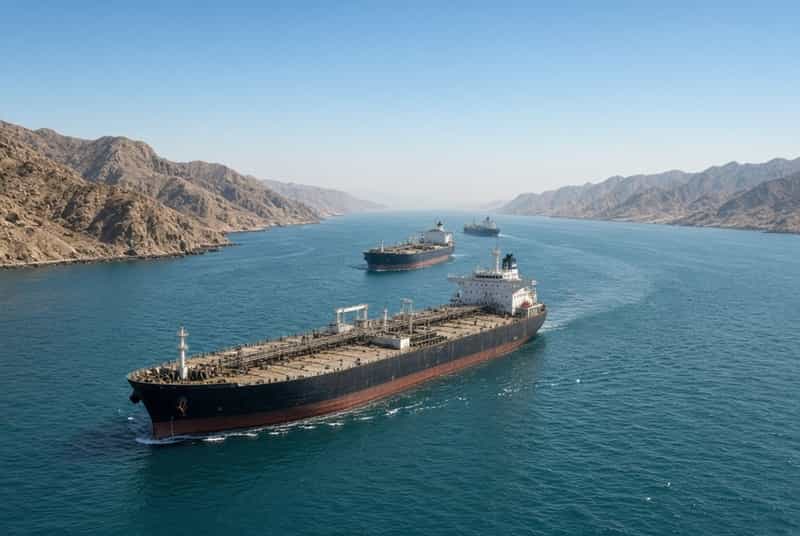
A Financial Times report highlights that Gulf oil producers like Saudi Arabia and the UAE are accelerating exports to preposition crude amid fears of conflict disrupting flows, adding to a risk premium in the market.
Meanwhile, larger inventory volumes of Iranian crude “on the water” — effectively oil that is loaded but not yet delivered — have been factored into prices, lifting crude benchmarks via a $5–6 risk premium, according to analysts.
Collectively, these strategic moves and geopolitical tensions reinforce oil price support even as diplomatic talks proceed.
🛢️ 2. Supply and Demand Conditions
Supply strategy by major producers continues to matter. With Gulf states pushing more barrels into export channels as a hedge against risk, the market has seen localized tightening and support for prices.
On the demand side, global consumption patterns remain robust enough to absorb these flows, with emerging markets like India and China still contributing to energy demand growth. This backdrop supports the recent higher levels in oil price benchmarks.
🛢️ 3. OPEC+ Positioning Ahead of Meetings
Ahead of key OPEC+ discussions on output strategy, markets are pricing in potential coordinated production decisions to balance supply and demand. While the exact outcomes remain uncertain, traders often push prices upward in anticipation of tighter policy signals.
💹 4. Sanctions and Broader Economic Variables
Sanctions on major exporters like Russia and Iran have reshaped trade flows, contributing to segmented pricing and heavier premiums in some regions. These distortions affect oil price benchmarks as traders incorporate risk into futures.
At the same time, macroeconomic data (US economic activity, Chinese industrial output) continues influencing demand outlooks — another layer affecting oil markets.
📊 Summary: Oil Price Drivers Today
| Factor | Influence on Price |
|---|---|
| Geopolitical risk (US-Iran tensions) | Positive / supportive |
| OPEC+ supply signals | Potentially supportive |
| Supply dynamics (Gulf exports) | Supportive |
| Sanctions & trade distortions | Mixed but price supportive |
| Demand growth in emerging markets | Positive for prices |
🧠 Investor Sentiment: Cautious & Risk-Aware
Investor sentiment in energy markets currently reflects caution intertwined with risk positioning:
-
Traders have added to long oil positions as geopolitical concerns linger.
-
The risk premium baked into prices suggests markets are bracing for outsized moves if diplomatic talks falter or conflict risks materialize.
-
Seasonal demand patterns and inventory data are also being watched closely for clues about near-term direction.
🔮 Short-Term Outlook: What the Data Suggests
Looking forward over the next few weeks:
Bullish catalysts include:
✅ Further escalation in Middle East tensions.
✅ Stronger-than-expected demand signals.
✅ OPEC+ signaling tighter supply policies.
Bearish pressures include:
⚠️ Progress in diplomatic negotiations reducing fear premiums.
⚠️ Inventory builds or weaker demand data.
Given this mix, many analysts believe that the oil price trend could consolidate near current levels or edge modestly higher if geopolitical risks remain elevated. Real-time data show Brent trading higher recently and WTI also up — both supported by ongoing risk premiums.
🌐 What It Means for the Global Economy
Slower but steady increases in oil price have ripple effects across industries:
-
Consumers face incremental increases in energy and transport costs.
-
Businesses in logistics and manufacturing see slightly higher input costs.
-
Export-oriented economies may benefit from stronger energy revenues.
-
Import-dependent nations could feel pressure on trade balances.
Overall, modest price gains suggest stable but cautious energy market conditions rather than runaway inflationary spikes.
Conclusion:
As of February 27, 2026, oil price benchmarks like Brent (~$71.58) and WTI (~$65.99) are trending upward modestly, underpinned by geopolitical risk premiums, strategic supply behavior, and investor positioning. Near-term movements will hinge on diplomatic progress, OPEC+ policy directions, and real-time supply-demand data — all critical for navigating global energy and economic implications.
More…