Faerch Sets Powerful New Standard with First Verified Tray-to-Tray rPET Emission Factor Published in Global Sphera Database for Circular Food Packaging 26-02-2026
Faerch Publishes First Verified Tray-to-Tray rPET Emission Factor
The packaging industry has reached a critical inflection point. Regulatory pressure is intensifying, carbon disclosure requirements are tightening, and scrutiny around recycled content claims is growing. In this evolving landscape, verified environmental data has become a strategic asset.
Faerch has now established a new industry benchmark by becoming the first company to publish a third-party-verified tray-to-tray rPET emission factor in the global Sphera database. The announcement marks a significant step forward for circular food packaging systems and transparent lifecycle reporting.
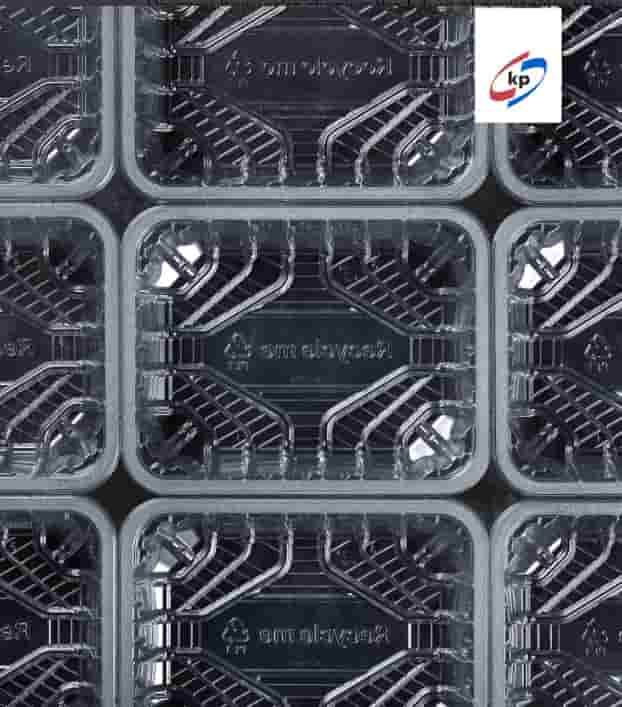
At the centre of this milestone is CIRPET+, Faerch’s next-generation clear and coloured recycled PET produced through its integrated tray-to-tray recycling infrastructure.
What Makes This Tray-to-Tray rPET Emission Factor Significant
The verified tray-to-tray rPET emission factor for CIRPET+ is 0.452 kg CO₂e per kilogram. This independently validated figure confirms a significantly lower climate impact compared with alternative PET sources.
According to Faerch’s data:
-
Around 30 percent lower emissions than bottle-derived rPET
-
Around 80 percent lower emissions than virgin PET
Publishing this tray-to-tray rPET emission factor in the Sphera database ensures the data is accessible, structured, and directly usable for lifecycle assessments, sustainability reporting, and carbon accounting models.
For brands and retailers preparing for Corporate Sustainability Reporting Directive compliance and other disclosure frameworks, verified emission factors are no longer optional. They are foundational.
Why Third-Party Verification Changes the Game
The packaging sector has struggled with inconsistent methodologies and unverified environmental claims. As sustainability narratives face greater scrutiny, independently validated datasets provide credibility and comparability.
By securing third-party verification and publishing the tray-to-tray rPET emission factor in Sphera, Faerch delivers three structural advantages:
-
Transparency in carbon accounting
-
Standardised data integration into LCAs
-
Increased confidence in circular tray systems
This move eliminates ambiguity around what constitutes genuine circularity in PET trays. It also positions tray-based recycling as a measurable, defensible decarbonisation pathway.
CIRPET+ and the Closed-Loop Model
CIRPET+ is manufactured at Faerch’s Cirrec recycling facilities, which operate within a fully integrated closed-loop system. Unlike bottle-to-tray recycling models, Faerch’s infrastructure recovers used food trays and converts them back into food-grade trays at industrial scale.
This distinction is critical.
Bottle-derived rPET has traditionally dominated food packaging applications because collection systems were established earlier. However, bottle-to-tray systems do not inherently close the loop for trays themselves. A true circular system requires tray-to-tray recycling.
The publication of the tray-to-tray rPET emission factor validates that this model can deliver both environmental performance and scalability.
Regulatory Pressure and the Demand for Verified Data
Across Europe and beyond, food packaging producers face mounting regulatory demands. Extended Producer Responsibility frameworks, recycled content mandates, and carbon disclosure obligations are reshaping procurement decisions.
In this environment, verified emission factors are becoming procurement criteria.
The tray-to-tray rPET emission factor published by Faerch provides:
-
Direct integration into environmental product declarations
-
Reliable inputs for Scope 3 emissions calculations
-
Verified support for decarbonisation roadmaps
For converters and brand owners, access to standardised emission data reduces compliance risk and enhances investor transparency.
Benchmarking Against Virgin and Bottle-Derived PET
To understand the full impact of the tray-to-tray rPET emission factor, it is important to contextualise the alternatives.
Virgin PET production remains energy intensive and fossil-dependent. Its carbon footprint reflects upstream feedstock extraction, polymerisation, and processing stages.
Bottle-derived rPET improves the equation but depends on bottle collection rates and does not necessarily support tray circularity. Moreover, contamination and sorting limitations can reduce efficiency.
CIRPET+ demonstrates that tray-based waste streams can be captured and reprocessed at scale. The published tray-to-tray rPET emission factor confirms that this approach delivers measurable carbon reductions while strengthening material security.
Security of Supply and Industrial Resilience
Food-grade rPET demand continues to rise across Europe, driven by both regulation and corporate sustainability commitments. Securing stable supply chains is becoming a competitive differentiator.
A validated tray-to-tray rPET emission factor supports investment decisions by providing predictable environmental performance metrics. It also reinforces confidence in tray-based recycling infrastructure as a long-term strategic asset.
As geopolitical uncertainties and resource constraints affect virgin polymer markets, closed-loop systems enhance resilience. Tray-to-tray recycling reduces dependency on fossil feedstocks and supports regional material autonomy.
Transparency as a Competitive Advantage
The publication of the tray-to-tray rPET emission factor in Sphera is not merely a technical milestone. It signals a shift toward data-driven circularity.
For years, packaging sustainability claims have faced skepticism due to inconsistent definitions and opaque reporting. By contributing verified data to a globally recognised database, Faerch elevates the standard for the entire sector.
This transparency strengthens trust among:
-
Retailers seeking compliant packaging solutions
-
Brands navigating sustainability commitments
-
Policymakers evaluating circular economy progress
-
Investors assessing environmental performance
Data integrity is becoming as important as material innovation.
Implications for the Future of Circular Food Packaging
The transition toward closed-loop packaging systems requires more than recycled content percentages. It demands traceability, verified emissions metrics, and scalable infrastructure.
The tray-to-tray rPET emission factor published by Faerch provides quantifiable proof that tray circularity is achievable at industrial scale. It challenges the perception that trays are inherently less recyclable than bottles.
As carbon accounting standards tighten and lifecycle transparency becomes mandatory, companies that can provide verified emission factors will lead procurement frameworks.
Faerch’s milestone demonstrates that circular packaging leadership depends on combining recycling infrastructure, independent verification, and accessible data publication.
Conclusion: A New Benchmark for Circular PET
Faerch’s publication of the first third-party-verified tray-to-tray rPET emission factor in the Sphera database establishes a new reference point for the packaging industry.
With a verified carbon footprint of 0.452 kg CO₂e per kilogram, CIRPET+ delivers measurable environmental performance improvements over both virgin PET and bottle-derived rPET. More importantly, it validates the viability of industrial-scale tray-to-tray recycling.
As regulatory expectations intensify and carbon transparency becomes mandatory, verified emission data will define competitive advantage. By formalising its tray-to-tray rPET emission factor within a globally recognised database, Faerch moves circular food packaging from ambition to evidence-based execution.
More…